
QUEENSLAND families are being left behind as a major new disability support program begins rolling out across the country, with the State the only Australian jurisdiction yet to sign an agreement to deliver Thriving Kids.
The program begins progressively across every other state and territory, placing renewed pressure on the Queensland and Australian governments to reach an agreement and provide certainty for children with developmental delay or autism and their families.
Thriving Kids is the first phase of Foundational Supports, a new system being developed outside and alongside the NDIS to provide assistance for people who do not require individualised NDIS support.
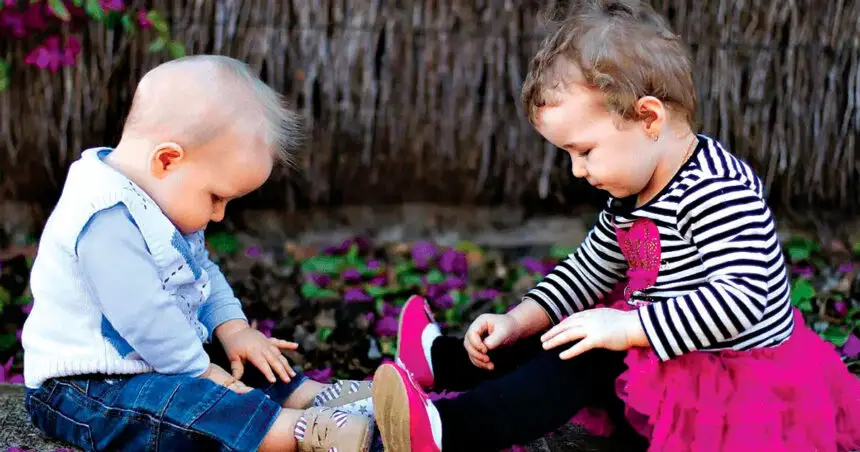
It will progressively provide support for children aged eight and under with developmental delay and/or autism with low to moderate support needs, along with their families, carers and kin.

However, as at October 1, Queensland remained the only state or territory without a bilateral Thriving Kids agreement with the Australian Government.
People with Disability Australia Acting CEO Megan Spindler-Smith said Queensland families deserved urgent clarity about when support would become available.
“Queensland families need clarity. The lack of an agreement between governments cannot be used as an excuse to leave children and families without the supports they need,” Spindler-Smith said.
“Queensland also needs to start preparing for the next phase of Foundational Supports now. We cannot afford to repeat the same delays and uncertainty when other supports are developed.
“People with disability across Queensland already need those supports.”
PWDA, the Queensland Independent Disability Advocacy Network and Children and Young People with Disability Australia have jointly called on the Queensland Government to reach an agreement with the Commonwealth and begin the rollout.
But concerns extend beyond Queensland’s participation in Thriving Kids.
Federal, State and Territory Governments have committed up to $10 billion over five years towards Foundational Supports, including $4 billion for Thriving Kids.
PWDA has welcomed the investment but warned there was no clear national roadmap outlining what will follow Thriving Kids for those outside the program.
“The gaps have always been there for people with disability who have not been eligible for the NDIS. As the NDIS changes, those gaps are only going to widen,” Spindler-Smith said.
“We need national leadership now. Thriving Kids is a start, but people with disability of all ages need to know what comes next, what support will be there and when they will be able to access it.”
Spindler-Smith said the uncertainty was particularly significant for people older than the Thriving Kids cohort.
“If you are nine, 19 or 65 and need disability support outside the NDIS, there is still no clear roadmap showing what new Foundational Supports will be available to you, whether you will be able to access them or when they will arrive.”
PWDA is calling on the Australian Government to publish a national roadmap identifying which groups will be prioritised, what services will be available, how people will access them and how Foundational Supports will operate alongside the NDIS and mainstream services.
“Ten billion dollars is a significant commitment, but people with disability need to know what that investment will actually mean for our lives,” Spindler-Smith said.
“Without that clarity, people with disability are being left with far too much uncertainty. We need to be able to understand what support we can rely on and plan for our lives.”
There are currently no changes to how children or other people with disability access the NDIS.
Changes to NDIS access for children covered by Thriving Kids are due to begin from January 1, 2028, while other NDIS reforms, including changes to funding for some supports, begin progressively from October 5.
For Queensland families, however, the immediate question remains much simpler – when will their state join the rest of the country?
With Thriving Kids now beginning elsewhere, disability advocates say Queensland children and their families cannot afford to be left waiting for an answer.