Facebook
Notification
Redland Bayside News
  • News & Editorial
  • Digital Editions
  • Pickup Locations
  • Advertise With Us
  • News & Editorial
  • Digital Editions
  • Pickup Locations
  • Advertise With Us
  • Digital Editions
  • Pickup Locations
Facebook
Notification
Redland Bayside News
  • News & Editorial
  • Digital Editions
  • Pickup Locations
  • Advertise With Us
  • News & Editorial
  • Digital Editions
  • Pickup Locations
  • Advertise With Us
  • Digital Editions
  • Pickup Locations
Redland Bayside News > Disability News > They treat you like an ‘it’: Strong calls for more inclusive healthcare
Disability News

They treat you like an ‘it’: Strong calls for more inclusive healthcare

Redland Bayside News
Published: May 29, 2025
Share
3 Min Read
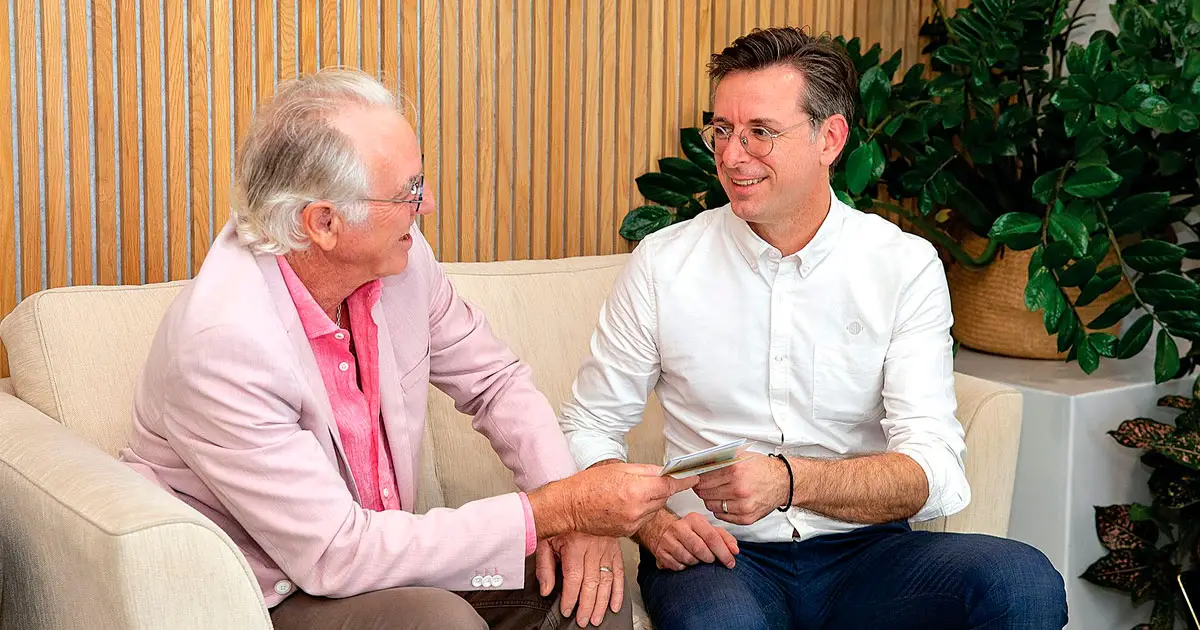
Research highlights a pressing need for health professionals to rethink long-held assumptions and adopt more inclusive, person-centred, and respectful practices.
SHARE

“They don’t treat you like a person. They treat you like an ‘it’.”

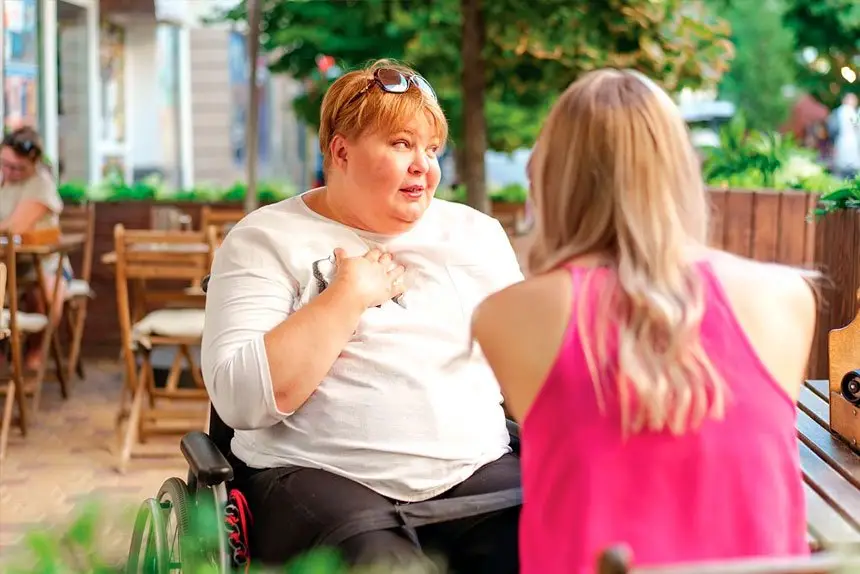
That’s how one man with an intellectual disability described his encounters with medical professionals.

He was one of 18 adults with intellectual disability, and eight support people, interviewed for a study on their experiences –particularly in genetic healthcare.

The findings reveal consistent exclusion, confusion, and distress –urging a shift toward more inclusive, respectful care.

- Advertisement -

The research team, GeneEQUAL, included experts in genetics, ethics and education, and self-advocate Julie Loblinzk – the project involved people with intellectual disability as equal partners.

Participants described how health professionals often spoke to their support people instead of them. Medical information was rarely shared in accessible formats like plain language or Easy Read documents, leaving patients unsure about testing, diagnoses or follow-up care.

“It’s very hard to read the form,” said Lillian.

“Even my mum found it hard.” Others reported never being told their diagnosis or recommended check-ups.

Consent was often unclear – or skipped altogether.

Genetic counselling can raise difficult questions about identity and future health. For some, a diagnosis brought deep emotional distress.

“I feel like I’m not normal now,” said Katrina. “My friends and family don’t mean to be mean, but they act like, ‘You’re not all there now.’ ”

Several participants reported suicidal thoughts following their diagnosis.

The language used in genetics – words like “abnormality” and “mutation” – can reinforce stigma.

“I knew I wasn’t normal to others,” said Aaron. “I knew some part of my brain was missing.”

National bodies like the Disability Royal Commission have acknowledged the systemic neglect people with intellectual disability face in healthcare, contributing to poorer health outcomes and shorter life expectancy.

In response, NSW Health funded the GeneEQUAL Educational Toolkit, co-developed with self-advocates.

It promotes three key principles: making reasonable adjustments (like longer appointments), providing person-centred communication (such as Easy Read reports), and offering trauma-informed, strengths-based care.

The toolkit is gaining international attention – not just for its content, but for its inclusive co-design.
It’s a step toward a healthcare system where people with intellectual disability are treated not as “its”, but as individuals deserving of dignity and understanding.

*Names changed.

Extracts for this article sourced from theconversation.com.au. Authors: Elizabeth Emma Palmer, Iva Strnadová, Jackie Leach Scully, Julie Loblinzk, all from UNSW Sydney (October 2024)

Share This Article
Facebook Email Print

Latest Redlands News

EDITORIAL: Sometimes the smallest gestures carry the greatest meaning
Featured Redland City Council
The new $16 million Ramsay Surgical Centre Cleveland will expand access to day surgery.
AI-powered surgery arrives in the Redlands as new $16m Cleveland hospital opens in Middle St
Community
WASTE NOT: An aerial view of the Greenovate MRF in Heritage Park.
Greenovate plan gains recycling thumbs-up
Community
COMPLEX NEEDS: Inadequate support could result in worsening symptoms.
Palliative care needs missing in assessments
Seniors
COMMITTED TEAM: Emily Denisenko, Louise Denisenko and Samantha Barnsdale.
How is the Redlands market performing?
Real Estate
Editorial: Time to set the Redlands on fire
Featured State Politics
Metro vision pushes beyond Capalaba to unlock Redlands growth
Featured State Politics

You Might Also Like

A particularly affected group is children, with some families being told to rely on mainstream services.
Disability News

Foundational supports key to NDIS future – but gaps remain

July 3, 2025
CRISIS TALKS: Any delays in treatment for some patients could cause substantial harm to them.
Disability News

Australians can wait up to 258 days for first psychiatry appointment

March 6, 2025
States and territories need to step up their support
Disability News

States and territories need to step up their support

February 20, 2025
CRITICAL GAP: Critics say the reforms miss a key opportunity to strengthen whistleblower protections.
Disability News

NDIS whistleblower protections ‘outdated’ amid calls for reform

May 30, 2026

Published by Local News Group QLD. Dedicated to connecting local communities through informative and engaging media.

  • Contact Us
  • Advertise With Us
  • Quick Links
  • Community
  • Featured
  • Sport
  • Cleveland
  • Redland City Council
  • Real Estate
  • Seniors
  • Capalaba
  • Redlands
  • Business
  • Victoria Point
  • Birkdale
  • Redland Bay
  • Fishing
  • Entertainment
  • Wynnum
  • Wellington Point
  • Finance
  • Alexandra Hills
  • Disability News
Copyright © 2026 Local News Group - Website by LNG Digital
Welcome Back!

Sign in to your account

Username or Email Address
Password

Lost your password?