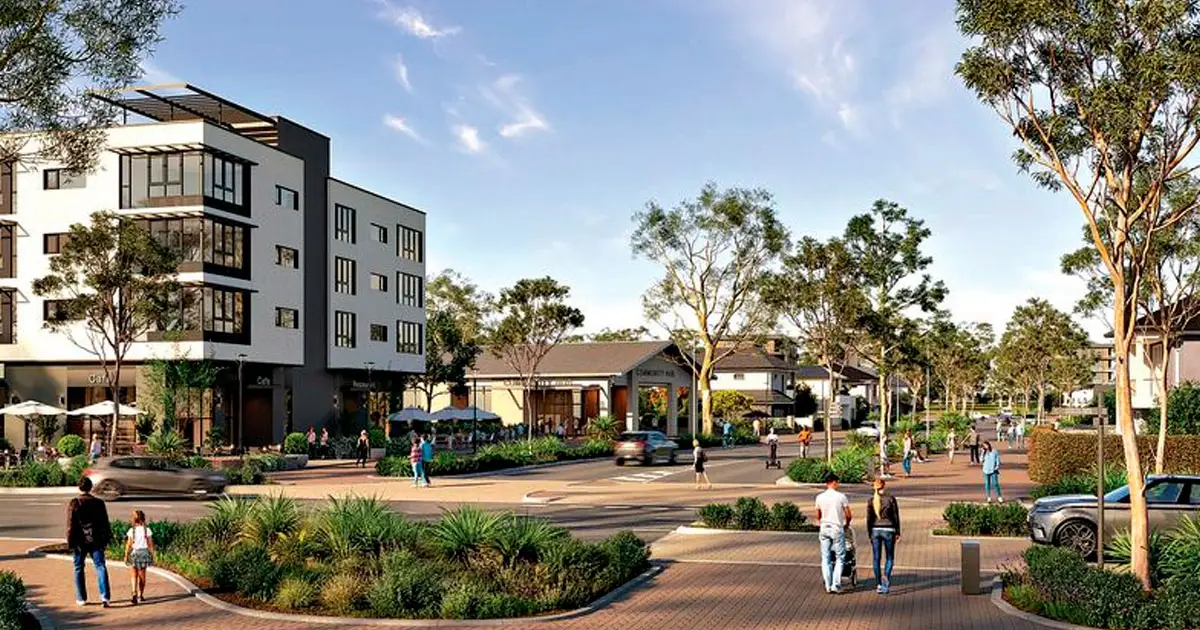

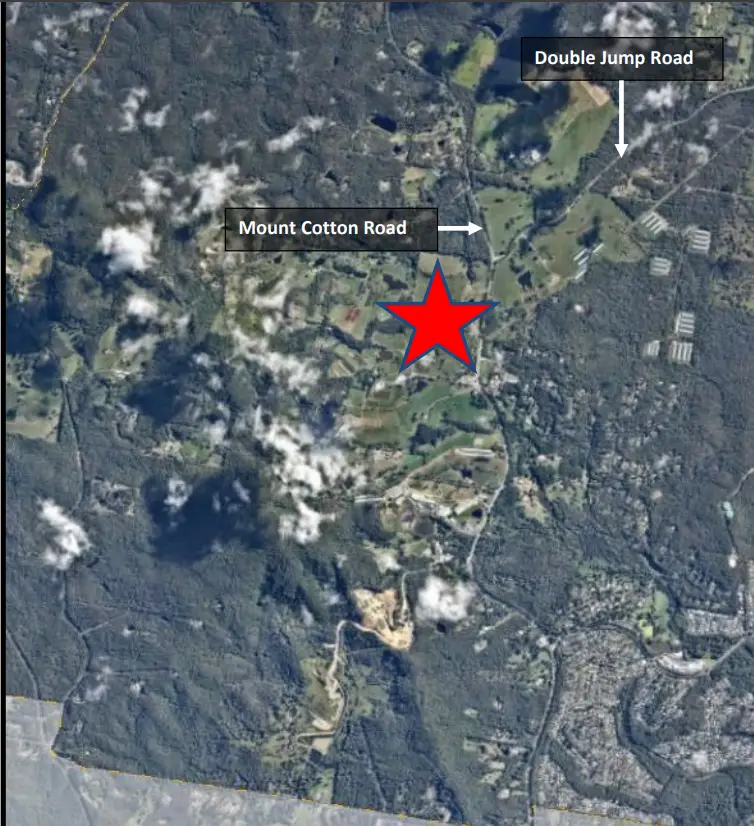
A fiercely divided Redland City Council has voted to back a controversial push to investigate Mount Cotton land for future urban development igniting warnings of environmental loss, infrastructure strain, and “planning chaos,” while supporters hailed it as a “once-in-a-generation economic opportunity.”
In a heated chamber showdown, councillors voted 6–3 in favour of sending a formal letter to the State Government seeking in-principle support to examine parts of Mount Cotton for inclusion in the South East Queensland Regional Plan urban footprint.
“We’re being asked to support a solution to a problem we don’t have”
Opposition to the motion was led by Councillors warning the move was premature and politically dangerous.
Cr Paul Bishop delivered one of the strongest rebukes, arguing Council had abandoned proper planning discipline:

This motion reverses the process. It identifies a location first and seeks support before the broader assessments have been completed.”
He warned Council was stepping beyond its role:
We must remain strategic planners, not site advocates or promoters of particular outcomes.”
Cr Lance Hewlett went further, questioning the entire premise of the proposal.
We don’t have a problem to solve… what problem do we actually need to solve?”
He pointed to existing developments across the city and argued Mount Cotton should be protected.
Why destroy probably the most beautiful area in the city?”
Cr Wendy Boglary also raised alarm over infrastructure limits, warning that sewerage and water systems could not cope.
There is no certainty by a dot point that there wouldn’t be additional cost to Council.”
She added that residents had not been properly consulted.
There has not been consultation with the greater community.”
“We need jobs, we need opportunity, we need action”
Supporters of the motion painted a very different picture—one of economic urgency and regional competition.
Cr Jason Colley argued the city was at a turning point.
We have an opportunity to signal our intention to build a more sustainable city… and reduce the burden on mum and dad ratepayers.”
He said Council could no longer ignore employment leakage.
More than half of the local workforce leaves the city each day.”
Cr Peter Mitchell backed the move, warning denial would cost the city future opportunity.
To deny reality is to deny opportunity.”
He described Council’s role bluntly.
Our business is delivering solutions, not finding excuses to stand in the way.”
Acting Mayor Julie Talty and Cr Rowanne McKenzie also supported the motion, with Cr McKenzie arguing there was already strong planning evidence of land shortages across the region.
She pointed to industrial land supply pressure across Greater Brisbane and said.
There is clear planning evidence that supports the need to consider future employment land opportunities.”
Cr Tracey Hughes added that Council was simply communicating options to the community.
These are the options that we as a Council see coming forward.”
Officer warning: “Council will have to decide—now or later”
Strategic Planning Manager Dean Butcher told councillors the decision was effectively unavoidable under State planning timelines.
He confirmed submissions to the State’s review process remain open until July, with formal consultation later this year.
Whether you make a decision now or later is a matter for Council… but the decision will need to be made at some point.”
He also confirmed Council input can be provided at multiple stages, and early positions assist officers in State negotiations.
The final vote: 6–3 split
After a lengthy debate, procedural interventions, and emotional speeches about growth, environment, and infrastructure, the chamber divided sharply.
Voting in favour (6):
Cr Peter Mitchell, Cr Shane Rendalls, Cr Rowanne McKenzie, Cr Tracey Hughes, Cr Jason Colley, Acting Mayor Julie Talty
Voting against (3):
Cr Wendy Boglary, Cr Lance Hewlett, Cr Paul Bishop
Absent: Cr Paul Golle, Mayor Jos Mitchell
What happens next
The decision means Council will now formally approach the State Government seeking investigation of Mount Cotton for potential inclusion in the urban footprint during the next regional planning cycle.
The move sets up what is expected to become a major regional planning battle over housing, employment land, and the future of one of Redlands’ most controversial and environmentally sensitive areas.
Or, as one councillor framed it inside the chamber:
This is not just planning. This is the future shape of our city.”