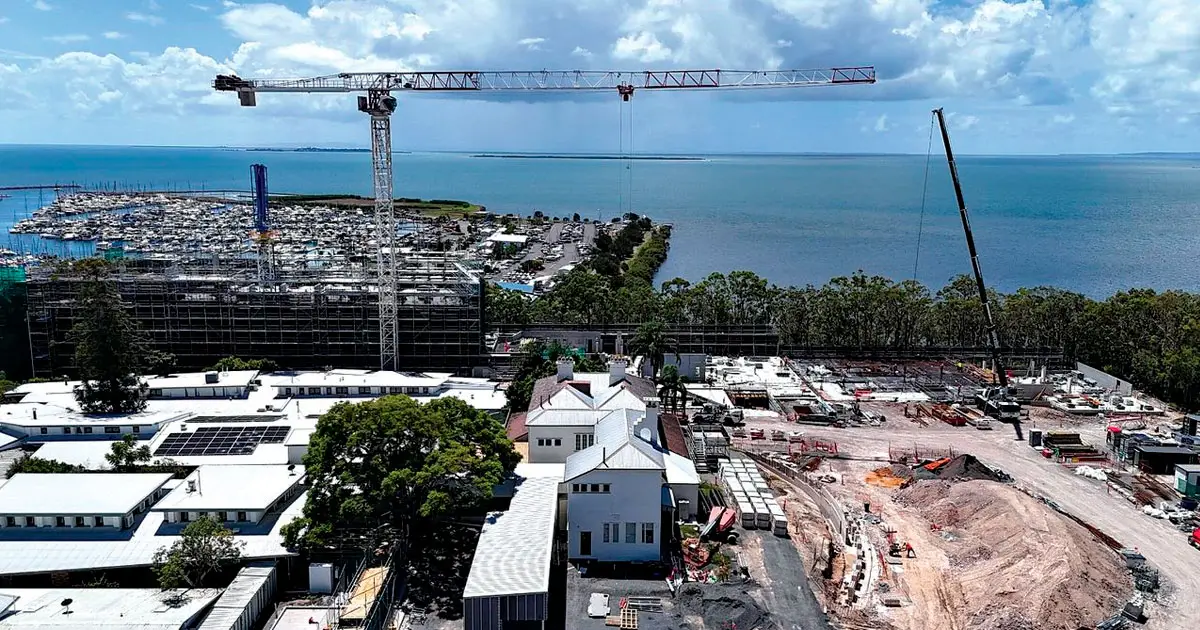

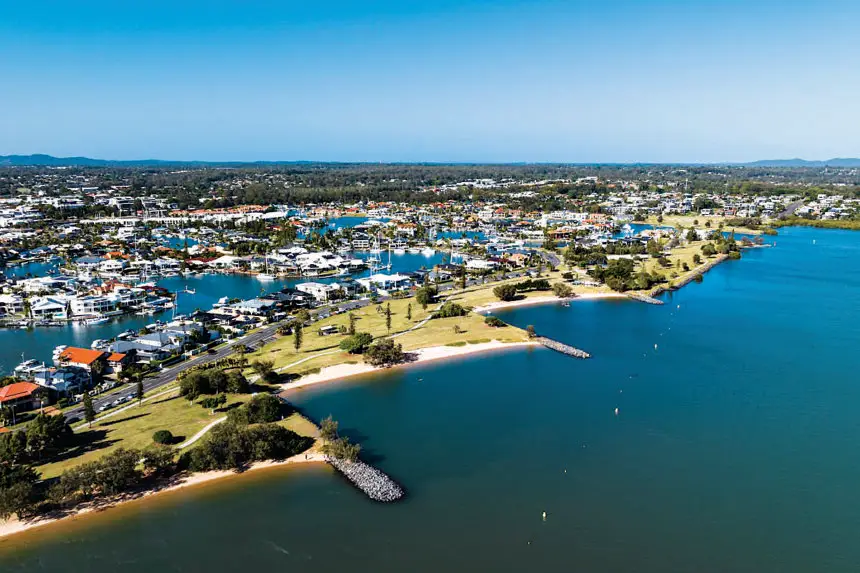
REDLAND City Council has approved a 12-month trial to overhaul how Raby Bay Foreshore Park is managed, following a robust and at times divided debate over cost pressures, staff workload and the future direction of the city’s busiest public spaces.
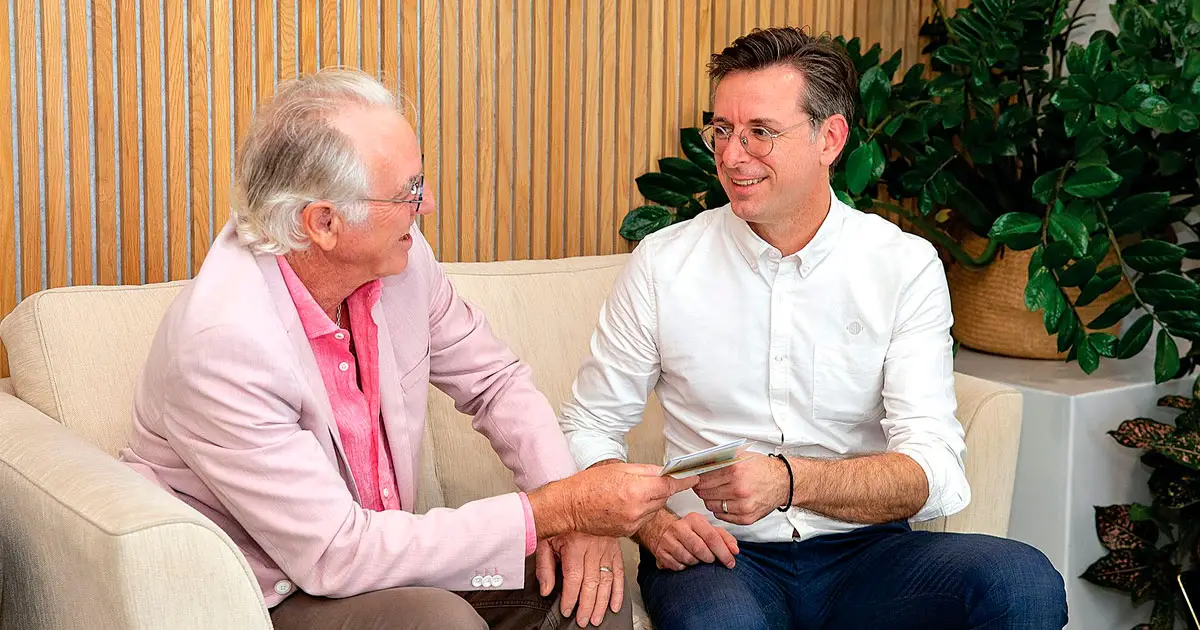
The notice of motion, moved by Division 2 councillor Peter Mitchell at Wednesday’s general meeting, will trial a place-based coordination model aimed at improving how the high-use Cleveland precinct is managed across council.
Cr Mitchell said the park had evolved beyond a traditional local space and was now operating as a regional destination.
“This motion is not about criticism — it is about responsibility,” he said.

“Raby Bay Foreshore Park is no longer operating as a traditional local park… it has become a high-use regional destination.”
He said the current model — where multiple council teams manage different aspects of the site — was no longer fit for purpose.
“Most people would reasonably assume that someone is responsible for coordinating this complexity. There isn’t,” he said.
Cr Mitchell said the trial would not create new positions or require additional funding, instead focusing on better coordination and leadership using existing resources.
But that claim was strongly contested during debate.
Division 4 councillor Lance Hewlett said the proposal effectively added another layer of operational demand at a time when council was tightening its belt.
“This will represent an increase to operational expenses… and it’s a job we’re already doing — and doing extremely well,” he said.
“We are in a time of austerity… if we keep putting forward positions like this, it will cost officer time and resources, and rates will continue to climb.”
Cr Hewlett also pointed to service adjustments already being made, including reduced frequency of some works, as evidence officers were adapting to budget constraints.
Division 1 councillor Wendy Boglary warned the motion duplicated work already underway within council.
“This work is already happening… we do not need duplication,” she said.
She said multiple internal reviews had already identified the need for improved coordination and that officers were progressing those changes across the organisation.
“There may not be a new officer or budget allocation, but there will be a shift in resources — and that will impact other work,” she said.
“We are heading into very challenging times… we need to think extremely carefully about everything we put into the budget.”
Division 10 councillor Paul Bishop said the proposal pointed to a broader structural shift in how council manages major public spaces — but argued it was premature.
“What you are proposing is a move from a ‘plan, build, run’ model to a precinct-based model,” he said.
“I do believe this is the right direction — but not at the right time.”
Cr Bishop warned council risked creating inconsistencies by trialling the model in a single location without a clear, city-wide framework.
“If we move in this direction, it needs to be fair, equitable and across the entire organisation,” he said.
However, supporters of the motion said the trial was a practical way to address real, on-the-ground issues already affecting residents and park users.
Division 9 councillor Jason Colley said he had seen the impacts of poor coordination firsthand.
“I’ve seen events trying to bump in — 100, 200 people attending — and departments haven’t communicated with one another to facilitate those events,” he said.
“Residents are often impacted by the silos that exist… this is not a criticism of officers, but an acknowledgement of the workloads they carry.”
Cr Colley stressed the trial carried minimal risk.
“If it’s unsuccessful after six or 12 months, we simply don’t pursue it any further,” he said.
Division 8 councillor Tracey Huges said similar frustrations were being felt across other high-use parks.
“My frustration, on behalf of my community, is enormous,” she said.
“We keep hearing that work is happening… but this could bring a stronger focus to our destination parks.”
She said locations such as John Fredericks Park and Wellington Point Reserve were also experiencing growing pressure and could benefit from clearer coordination.
Cr Hewlett also raised questions during debate about whether volunteer programs could play a greater role in supporting park management, suggesting community partnerships might help offset costs.
In response, it was clarified the motion was not focused on maintenance standards, but on improving coordination between planning, bookings and operational delivery across departments.
Despite concerns about timing and resourcing, councillors ultimately voted 7-4 to support the trial.
Under the motion, a service audit and gap analysis will be completed within three months, followed by an action plan at six months and a final report back to council at the end of the 12-month period.
The trial positions Raby Bay Foreshore Park as a test case for a potential shift in how Redland City manages its most complex and heavily used public spaces — a move that could have broader implications across the city if successful.