
THERE comes a time in life when some things simply become harder – whether through advancing years or a disability that limits what once felt effortless.
So what do we do?
From maintaining the house to tending the garden, everyday tasks can gradually become more challenging as we age.
The key is to adapt. And when it comes to gardening, how we adjust can shape the kind of lifestyle we enjoy in the years ahead.

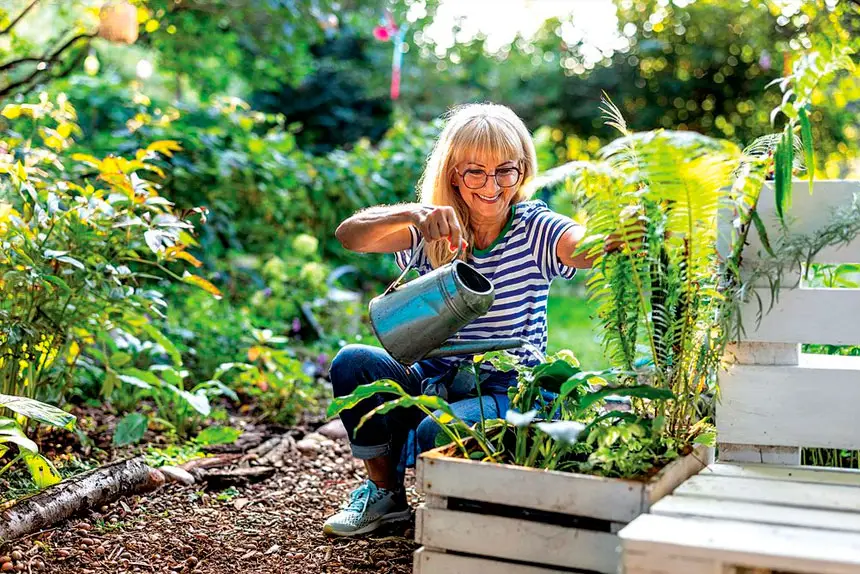
Many people can still bend, dig, plant and maintain their gardens with ease. Others, however, find it more difficult to keep things under control. Yet the desire to grow flowers and vegetables often remains as strong as ever.
So how do we keep going?
First of all – don’t give up. Instead, look for a different way to get the job done. It may mean accepting a little help with tasks that are no longer manageable alone.
There are many organisations and local services that can assist in the garden for a rea-sonable fee. Jobs like hedge trimming, weeding, mowing lawns and clearing pathways are often just a phone call away.
Another step is finding the right tools for the job. Many will remember the old petrol mower – often a trusty “Victa” – that once sat in nearly every backyard shed.
Today, these have largely been replaced by modern battery-powered alternatives that are easier to use and cheaper to run.
In the past, mowers required petrol and oil, and older electric models came with long cords that could be more hazard than help. Care was always needed to avoid accidents.
Now, there is a range of battery-powered tools designed to make gardening simpler and safer.
From mowers and hedge trimmers to blowers and drills, there’s a tool suited to almost every task– even for larger properties requiring ride-on mowers or chainsaws.
Gardening may change as we get older, but it doesn’t have to stop. With the right support and the right tools, it can remain one of life’s simplest pleasures.
Till next time.