
For years, the advice for staying healthy focused on eating well, walking regularly and maintaining a healthy weight.
While these habits remain important, research has increasingly highlighted another key factor that influences how well we age – our muscle.
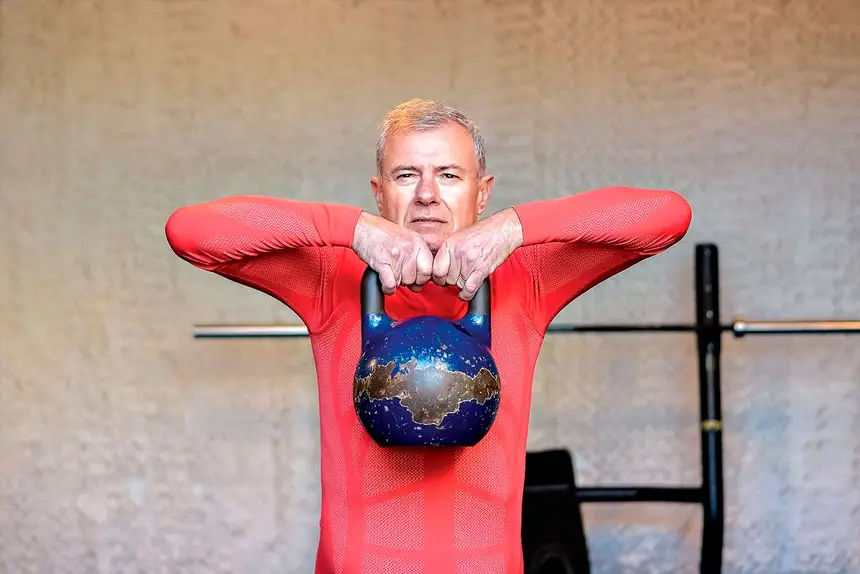
Strength training is now widely recognised as an important part of healthy ageing because of the role muscle plays throughout the body.
It’s not just about becoming stronger or looking more toned. Maintaining muscle supports movement, balance, metabolism and the ability to stay active and independent as we get older.

From around the age of 30, we gradually begin to lose muscle mass if we don’t actively work to maintain it.
Over time, this natural decline can contribute to reduced strength, lower bone density, slower metabolism and increased difficulty performing everyday activities.
The encouraging news is that our bodies continue to respond to resistance training throughout life.
Research shows that people of all ages, including older adults, can improve their strength and physical function with an appropriate exercise program.
Maintaining muscle can also support healthy blood sugar regulation, improve balance and mobility, and help reduce the risk of falls.
“For too long we’ve focused almost entirely on the number on the scales,” SANAMethod Cleveland owner Nika Bester said.
“I’d rather help someone become stronger, more capable and healthier, because that’s what supports long-term wellbeing,”
Strength training doesn’t have to mean lifting heavy weights or spending hours in the gym. With the right guidance, resistance exercise can be adapted to suit different ages, fitness levels and health conditions, making it an accessible option for many people.
“Healthy ageing isn’t about trying to stop the clock,” Mr Bester said.
“It’s about giving your body the strength and resilience to keep doing the things you love for as long as possible.”
As we learn more about the science of healthy ageing, one message continues to emerge: maintaining muscle is an important part of maintaining health. Combined with good nutrition, quality sleep, hydration and regular movement, strength training is one of the lifestyle habits that can help support health and independence throughout life.