

The Conversation
THREE years after Australians with disability shared deeply confronting accounts of violence, abuse, neglect and exploitation with a landmark royal commission, governments are under renewed pressure to explain why many of its biggest reforms remain unfinished.
The Royal Commission into Violence, Abuse, Neglect and Exploitation of People with Disability handed down its final report in September 2023 after more than four years examining the experiences of people with disability across homes, schools, workplaces, health services and other parts of Australian life.
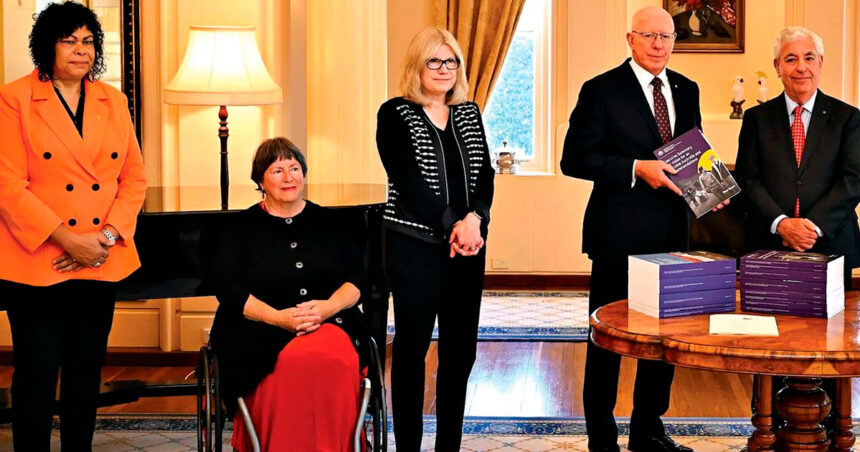
Its enormous 12-volume final report contained 222 recommendations designed to reshape how Australia protects the safety, dignity, independence and human rights of people with disability.

But three years later, an independent progress report from a coalition of more than 20 disability advocacy and representative organisations has painted a sobering picture of how much remains undone.
The coalition examined 10 recommendations consistently raised as priorities by people with disability and advocates and found not one had been fully implemented, while four were assessed as having seen no meaningful action.
Most concerningly, progress towards better coordination of supports under the National Disability Insurance Scheme was assessed as going backwards.
The findings carry particular weight because of the extraordinary scale of the inquiry and the thousands of people who trusted it with some of the most painful experiences of their lives.
Established in April 2019 following years of campaigning by disability rights groups, the commission ran for more than four years and cost almost $600 million, making it the longest-running and most expensive royal commission in Australian history.
It was also designed to ensure people with disability were not simply the subject of the investigation but central to it.
People could provide evidence through public hearings, private sessions, written submissions and video statements, supported by Auslan interpretation, easy-read material and psychological and legal assistance.
More than 1500 de-identified personal narratives were ultimately published, while the opening volume of the final report was devoted to the voices of people with disability. What emerged was an extensive record of violence, abuse, discrimination, neglect and exploitation, backed by commissioned research and expert evidence examining the systems and social conditions that allowed those experiences to occur.
The royal commission responded with reforms extending well beyond individual programs and services.
Among its major recommendations was a new Disability Rights Act to give greater domestic legal force to Australia’s obligations under the United Nations Convention on the Rights of Persons with Disabilities.
Three years later, this headline reform remains among its biggest pieces of unfinished business.