
MORE than 2000 Queenslanders have backed a parliamentary petition calling for an accessible public transport service on Macleay Island, but the State Government has declined to act, citing low population density and limited demand.
In a formal response to Parliament, Transport and Main Roads Minister Brent Mickelberg said that while the Government recognised the importance of accessible transport, services must be “well-utilised, reliable, and represent value for money”.
“Regrettably, this means we are not always able to provide transport coverage across all parts of Queensland,” he said.
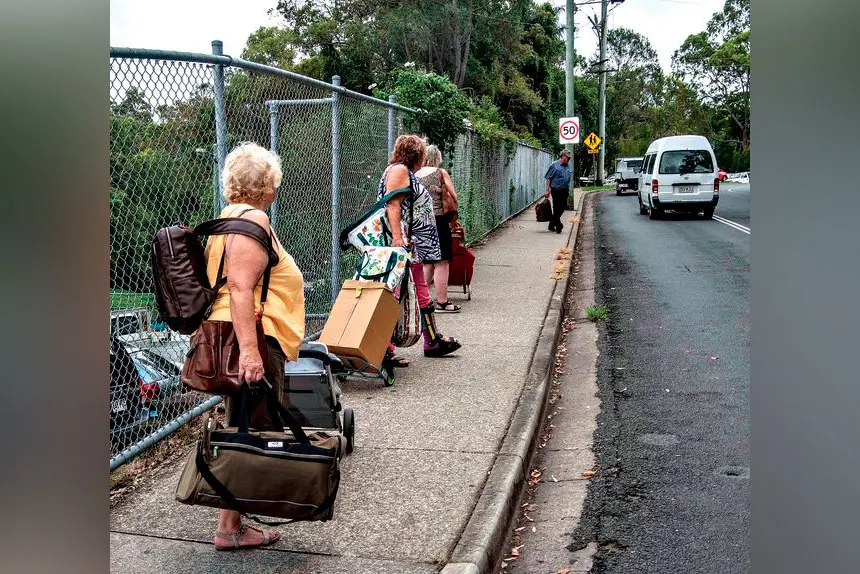
Campaign organiser Melanie Lynch said the decision was leaving vulnerable residents effectively cut off from essential services, claiming many are unable to reach the island’s ferry terminal due to challenging terrain.

“People with disabilities, chronic illness, and older residents cannot safely reach the ferry terminal due to steep terrain, including what locals call ‘Angina Hill’,” Ms Lynch said.
“This means many residents are unable to access medical care, specialist appointments, and basic services on the mainland.”
Mr Mickelberg acknowledged those concerns in his response, stating he understood the challenges faced by “residents living with a disability … and elderly residents who experience difficulties navigating Macleay Island”.
A Department of Transport and Main Roads (TMR) spokesperson reinforced the Government’s position, saying Macleay Island’s layout made public transport difficult to sustain.
“Macleay Island’s settlement pattern results in high operating costs and insufficient demand, making regular public transport services unviable at this time,” the spokesperson said.
However, State Member for Redlands Rebecca Young said the issue may not be about a traditional bus network, but better targeted transport support.
“I’ve met with Melanie Lynch, who initiated the petition, to hear firsthand the concerns being raised by the Macleay Island community,” Mrs Young said.
“What’s clear from that discussion is that this is less about a traditional public bus service, and more about improving access to suitable transport options for residents with mobility challenges.”
Mr Mickelberg said previous transport trials on the Southern Moreton Bay Islands had failed due to low demand, including Council-funded services on Russell Island in 2004 and 2005 and a private “Little Bus” initiative that ceased operations in 2020-21.
The Government has argued that Macleay Island’s population density is too low to justify a bus service, a position the campaign disputes by pointing to comparable areas already serviced by public transport.
Despite being sent multiple requests, Ms Lynch claimed Mr Mickelberg had declined to meet directly with campaign representatives, and she is now preparing a formal complaint to the Australian Human Rights Commission.