
The Conversation
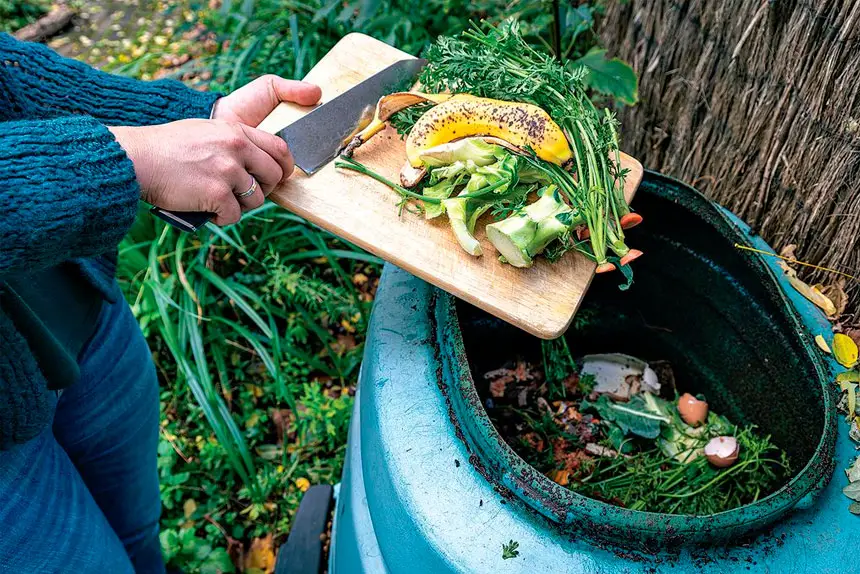
CREATING rich, healthy compost doesn’t have to mean putting up with unpleasant smells, slimy waste or stubborn weeds.
According to new research, understanding a little science can help home gardeners turn kitchen scraps and garden clippings into nutrient-rich compost in as little as six to eight weeks.
Gregory Moore, a Senior Research Associate at the University of Melbourne, says successful composting comes down to creating the right conditions for the billions of bacteria and fungi responsible for breaking down organic matter.

“The bacteria and fungi that generate your compost efficiently need air, moisture and warmth to be their best selves,” Mr Moore said.
He explained that many failed compost heaps rely on anaerobic decomposition, which occurs when there isn’t enough oxygen. This process is slow, creates unpleasant odours and often allows weed seeds to survive.
Instead, gardeners should aim for aerobic composting, where oxygen-loving microorganisms rapidly break down plant material while generating enough heat to destroy most weeds, pests and parasites.
For gardeners looking to improve their compost, Mr Moore recommends some simple steps.
Keep plenty of air flowing. If you have an open compost heap, make it wide and low rather than tall, and regularly pull a rake or hoe through the pile to introduce oxygen. If you use a compost tumbler, rotate it frequently.
Maintain the right moisture. Compost should feel damp like a wrung-out sponge, not waterlogged. During hot, dry weather, a little extra water may be needed to keep microorganisms active.
Keep it warm. Position compost where it can receive some winter sunshine to maintain temperatures that encourage faster decomposition.
Balance greens and browns. Mix nitrogen-rich green waste, such as grass clippings and vegetable scraps, with carbon-rich “browns” like dry leaves or shredded cardboard.