
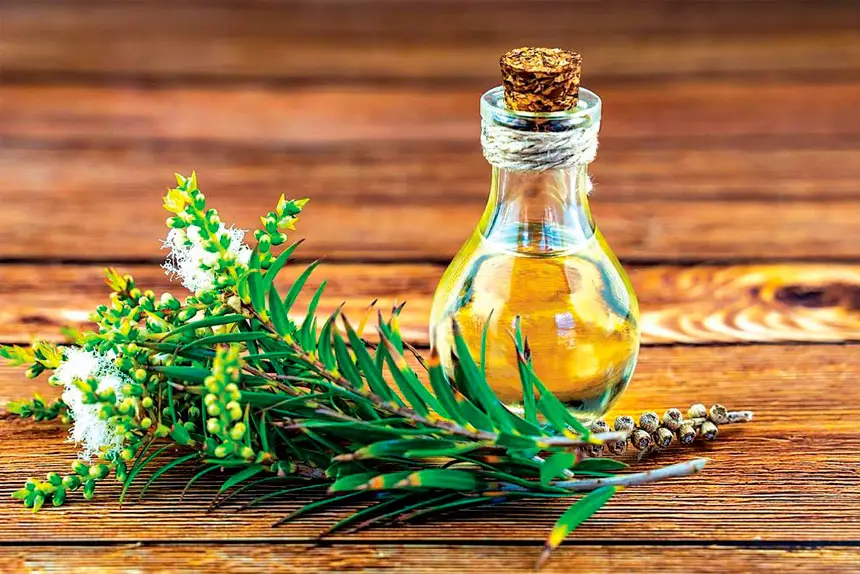
WE have all used a product called tea tree oil at some time or another.
Best known for its therapeutic qualities, the oil is commonly found in acne treatments, medicinal products, wound care, household cleaners and even pet care products.
Its pleasant aroma has long been associated with healing qualities and, alongside lavender oil, it remains one of Australia’s most popular natural remedies.
However, the industry is now facing concern overseas, with the European Union reportedly considering classifying tea tree oil as a toxic substance, a move that could severely damage exports.

The EU represents around 30 per cent of Australia’s tea tree oil export market and growers fear that if Europe adopts the classification, other countries may eventually follow suit.
The concern stems from research conducted on tea tree oil when it was tested for agricultural pesticide use. In the study, laboratory rats were force-fed large quantities of the oil, with some reproductive issues reportedly observed in male rats. As a result, regulators have considered viewing the oil as a possible reproductive toxin.
Industry representatives argue the findings are misleading, noting tea tree oil was never intended for ingestion.
Tea tree plantations across New South Wales and Queensland make up the bulk of Australia’s production, with many farming families harvesting the oil for decades.
According to Wikipedia, tea tree oil has been commonly used in products aimed at treating skin conditions associated with malassezia yeast, including dandruff and dermatitis.
While many plantations are operated by large commercial growers, some farms are now working alongside Traditional Owners and involving Aboriginal youth in agricultural activities and training.
For home gardeners interested in experimenting with tea tree plants, they are relatively easy to grow in loam to sandy soils with good drainage. Plants generally take between three and five years before they are mature enough for productive harvesting.
Till next time.