
Facebook
Notification
Redland Bayside News
  • News & Editorial
  • Digital Editions
  • Pickup Locations
  • Advertise With Us
  • News & Editorial
  • Digital Editions
  • Pickup Locations
  • Advertise With Us
  • Digital Editions
  • Pickup Locations
Facebook
Notification
Redland Bayside News
  • News & Editorial
  • Digital Editions
  • Pickup Locations
  • Advertise With Us
  • News & Editorial
  • Digital Editions
  • Pickup Locations
  • Advertise With Us
  • Digital Editions
  • Pickup Locations
Redland Bayside News > Seniors > Not all vegetables are high-fibre heroes, so be sure to choose wisely
Seniors

Not all vegetables are high-fibre heroes, so be sure to choose wisely

By Lauren Ball, Professor of Community Health and Wellbeing, The University of Queensland & Emily Burch, accredited practising dietitian and lecturer, Southern Cross University

Redland Bayside News
Published: February 13, 2025
Share
4 Min Read
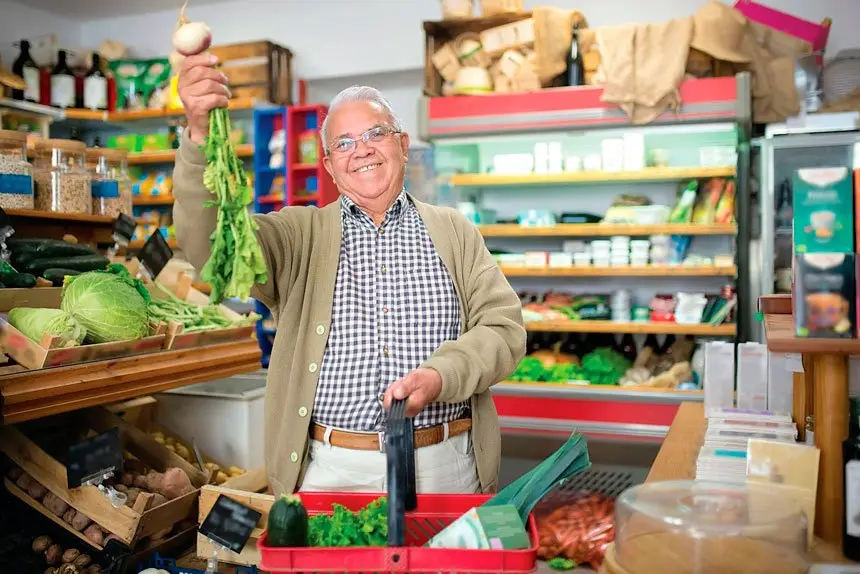
Soluble fibre dissolves in water and can help lower blood cholesterol levels.
SHARE

Many people looking to improve their health try to boost fibre intake by eating more vegetables.

Contents
  • FOUR BIG REASONS TO INCREASE FIBRE
  • SO WHICH VEGETABLES ARE HIGHEST IN FIBRE?
  • WHICH VEGETABLES ARE LOW IN FIBRE?
  • DOES IT MATTER HOW I PREPARE OR COOK THE VEGETABLES?

But while all veggies offer health benefits, not all are particularly high in fibre.

You can eat loads of salads and vegetables and still fall short of your recommended daily fibre intake.

So, which vegetables pack the biggest fibre punch? Here’s what you need to know:

- Advertisement -

What is fibre and how much am I supposed to be getting?

Fibre, or dietary fibre, refers to the parts of plant foods that our bodies cannot digest or absorb.

It passes mostly unchanged through our stomach and intestines, then gets removed from the body through our stool.

There are two types of fibre which have different functions and health benefits: soluble and insoluble.

Soluble fibre dissolves in water and can help lower blood cholesterol levels. Food sources include fruit, vegetables and legumes.

Insoluble fibre adds bulk to the stool which helps move food through the bowels. Food sources include nuts, seeds and wholegrains.

Both types are beneficial. Australia’s healthy eating guidelines recommend women consume 25 grams of fibre a day and men consume 30 grams a day.

However, research shows most people do not eat enough fibre. Most adults get about 21 grams a day.

FOUR BIG REASONS TO INCREASE FIBRE

Boosting fibre intake is a manageable and effective way to improve your overall health.
Making small changes to eat more fibrous vegetables can lead to:

  1. Better digestion
    Fibre helps maintain regular bowel movements and can alleviate constipation.
  2. Better heart health
    Increasing soluble fibre (by eating foods such as fruit and vegetables) can help lower cholesterol levels, which can reduce your risk of heart disease.
  3. Weight management
    High-fibre foods are filling, which can help people feel fuller for longer and prevent overeating.
  4. Reducing diabetes risk and boosting wellbeing
    Fibre-rich diets are linked to a reduced risk of chronic conditions such as type 2 diabetes and colorectal cancer.

Recent research published in prestigious medical journal The Lancet provided some eye-opening stats on why fibre matters.

The researchers, who combined evidence from clinical trials, found people who ate 25-29 grams of fibre per day had a 15-30 per cent lower risk of life-threatening conditions like heart disease, stroke, high blood pressure, and type 2 diabetes compared to those who consumed fewer than 15 grams of fibre per day.

SO WHICH VEGETABLES ARE HIGHEST IN FIBRE?

Vegetables are excellent sources of both soluble and insoluble fibre, along with essential vitamins, minerals, and antioxidants.

The following veggies are some of the highest in fibre: green peas, avocado, artichokes, parsnips, brussels sprouts, kale, sweet potatoes, beetroot, carrots, broccoli and pumpkin.

WHICH VEGETABLES ARE LOW IN FIBRE?

Comparatively lower fibre veggies include: asparagus, spinach (raw), cauliflower, mushrooms, capsicum, tomato, lettuce and cucumber.

These vegetables have lots of health benefits. But if meeting a fibre goal is your aim, then don’t forget to complement these veggies with other higher-fibre ones too.

DOES IT MATTER HOW I PREPARE OR COOK THE VEGETABLES?

Yes. The way we prepare vegetables can impact their fibre content, as cooking can cause structural changes in the dietary fibre components.

Some research has shown pressure cooking reduces fibre levels.

Source: Theconversation.com.au

Share This Article
Facebook Email Print

Latest Redlands News

Sandy Clark has launched the third in her series of children’s books, promoting nature and the Redlands.
Local characters take kids on an adventure
Arts
TIMELY INITIATIVE: Businesses across Queensland will increasingly be in the spotlight.
Disability-friendly approach to business just makes great sense
Disability News
PRESSURE RISING: Tenants are absorbing rising rents on top of broader living costs.
The numbers behind what locals are feeling
Real Estate
AI scams put Australians’ super savings in crosshairs
Seniors
BUSY WEEK: South Brisbane Police say 77 people were charged with 142 offences during the week’s operation, with 34 drivers allegedly affected by alcohol.
Bayside road blitz snares 57 drivers allegedly affected by drink/drugs
Police
RED HOT: Sam Beckmann of 2 Bent Rods with a red throat emperor caught off a local charter.
How a bit of beach fun grew to 120,000 children
Fishing
SEARCH IS ON: Instead of just tasting the region, we’re exploring it.
Help us find Best of Redlands and Bayside
Ash's Apetite

You Might Also Like

Support at Home is aimed at helping older Australians live independently for longer.
Seniors

What older Aussies need to know about support

June 6, 2025
Turning 80 brings new challenges for ageing Australians
Seniors

Turning 80: When the body slows and the questions grow

May 16, 2026
YOUR CHOICE: Retirement costs as much as the kind of lifestyle you want in retirement PHOTO: PEXELS
Seniors

Staying healthy as you age should not cost a fortune

July 25, 2026
An 80-year study shows that good relationships keep us happier and healthier. PHOTO: PEXELS
Seniors

80-year study shows benefit of relationships

July 17, 2025

Published by Local News Group QLD. Dedicated to connecting local communities through informative and engaging media.

  • Contact Us
  • Advertise With Us
  • Quick Links
  • Community
  • Featured
  • Sport
  • Cleveland
  • Redland City Council
  • Real Estate
  • Seniors
  • Capalaba
  • Redlands
  • Business
  • Victoria Point
  • Redland Bay
  • Birkdale
  • Fishing
  • Entertainment
  • Wynnum
  • Wellington Point
  • Alexandra Hills
  • Finance
  • Disability News
Copyright © 2026 Local News Group - Website by LNG Digital
Welcome Back!

Sign in to your account

Username or Email Address
Password

Lost your password?