
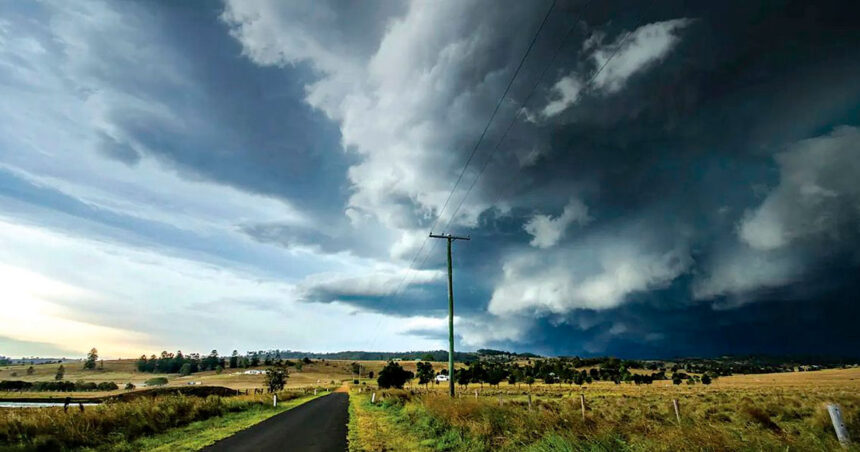
MANLY West has emerged as Queensland’s number one home insurance claims hotspot for severe weather after a punishing year of wind, rain and hail across South East Queensland.
New analysis by Suncorp Insurance and AAMI found Manly West recorded the highest number of Queensland home natural- hazard claims in the 2025-26 financial year.
The result puts the Bayside suburb at the top of a shifting statewide list which has included Bracken Ridge, Maryborough, Gympie and Runaway Bay during the past five years.
Suncorp analysed 126,752 Queensland home natural-hazard claims lodged between FY22 and FY26, covering storm, hail, flood, lightning, rain, cyclone and wind damage.

The insurer said Manly West’s rise was driven by major claims activity following Ex-Tropical Cyclone Alfred and the southeast Queensland and northern NSW giant hail outbreak.
Suncorp Executive General Manager Home Insurance Anna Cartwright said the figures showed no suburb should assume it was safe from a major weather hit.
“Five years of claims data tells us one thing very clearly: no Queensland community should assume it’s immune to severe storm impacts,” Ms Cartwright said.
“Some communities appear in our claims data time and again while others can go from barely featuring one year to becoming a major hotspot the next.
“The lesson isn’t to focus on which suburb topped the list last year.
“It’s that every Queensland household should prepare for severe storms before it arrives.”
Queensland’s top claims hotspots were Bracken Ridge in FY22, Maryborough in FY23, Gympie in FY24, Runaway Bay in FY25 and Manly West in FY26.
Bracken Ridge topped the list after the devastating February and March 2022 floods, while Gympie’s FY24 result followed severe thunderstorms and hail in December 2023.
Maryborough and Gympie were the only areas to repeatedly feature among the State’s leading hotspots.
Suncorp severe weather forecaster Justin Noonan said a less active spring outlook should not be mistaken for a risk-free one.
“While large-scale climate patterns suggest spring is expected to be less active than normal, Queenslanders can still expect severe thunderstorms with damaging winds, large hailstones and heavy rainfall,” he said.
“Seasonal outlooks can tell us about broad weather patterns but they can’t tell us exactly where the next severe thunderstorm will strike.”
Queensland SES Acting Chief Officer Danny Baade urged residents to act before warnings are issued.
“Simple actions such as clearing out gutters, securing loose outdoor items, trimming overhanging branches and checking your roof can help reduce damage and improve safety during severe weather,” he said.
Residents are also being urged to prepare an emergency kit, secure loose backyard and balcony items, clear drains and downpipes, and park vehicles under cover or away from trees and powerlines where possible.