
If hearing loss is linked with dementia, the question most people want answered is simple: is there anything useful I can do about it? The encouraging answer is yes.
The 2024 Lancet Commission identifies hearing loss as one of the largest potentially modifiable risk factors for dementia.
In its population modelling, hearing loss accounts for 7 per cent, equal with high LDL cholesterol and greater than better-known factors such as smoking, physical inactivity, diabetes and high blood pressure.
That is a bigger deal than many people realise. Dementia Australia estimates that more than 3400 people in Redland City are living with dementia in 2026. This is not an abstract issue. It is already affecting thousands of local families. The good news is that hearing is something we can act on.

The strongest trial evidence so far comes from the large ACHIEVE study. Put simply, among older people already at greater risk of cognitive decline, those who received comprehensive hearing treatment experienced 48 per cent less cognitive decline over three years.
Research is continuing, but that is a good reason to take hearing seriously as part of healthy ageing.
For me, though, another finding is just as important because its value is visible in everyday life. Hearing treatment can help people stay socially connected.
Think about Happy Hour becoming such hard work that you stop going. Or family lunch turning into an afternoon of trying to work out what everyone is talking about.
Perhaps you start choosing quieter gatherings, talking to one person instead of the group, or declining invitations because keeping up is exhausting. Life can get smaller without anyone quite realising it.
The research found that people receiving hearing intervention maintained their social connections better and were less socially isolated over time. Social isolation is itself a recognised dementia risk factor.
More importantly, staying connected to your partner, family, friends, bowls club, church, gardening group or grandchildren is part of living well now.
That is the message I want people to take from the research. Looking after your hearing is not a guarantee against dementia.
It is something practical you can do about one of the largest recognised modifiable risk factors, while also making it easier to communicate, participate and remain involved in life.
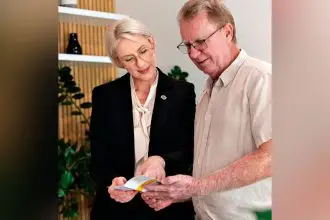
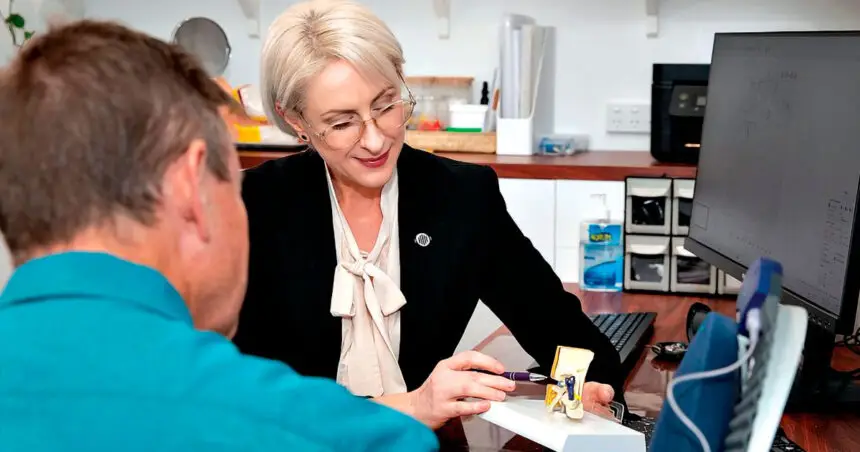
At A Better Ear, that is central to how our clinical team approaches hearing rehabilitation. We look at what hearing difficulty is doing to communication, participation and quality of life, then help people decide what action makes sense.
A Better Ear is a premier sponsor of the Redlands Seniors Expo at RPAC on Friday, October 9. We will be speaking about Hearing, Dementia and Healthy Ageing, including what the research tells us and the practical steps worth taking.
Come and chat with us at our stall on the day.