

AUSTRALIA’S cost-of-living crisis may be over according to one-in-three finance experts, but for older Australians watching every dollar of their retirement income, the household budget can tell a very different story.
A survey of 38 economists and finance experts by comparison website Finder found 35 per cent believed Australia was no longer experiencing a cost-of-living crisis.
Economist Saul Eslake, from Corinna Economic Advisory, argued the word “crisis” exaggerated the circumstances facing the majority of Australian households.
“Maybe that’s because I’m old enough to remember the double-digit inflation, unemployment and interest rates of the late 1970s and 1980s,” Mr Eslake said.

While the broader economic picture may be improving, that assessment could be difficult to reconcile with the experience of many retirees and Age Pension recipients.
Older Australians can be particularly exposed to increases in essential expenses because many have limited ability to increase their income to compensate.
Finder money and home loans expert Richard Whitten said there remained a significant difference between improving economic indicators and what Australians were experiencing in their household budgets.
“Macroeconomic indicators might be cooling on paper, but millions of people are still confronted with very high housing costs and expensive everyday bills,” Mr Whitten said.
“For borrowers with big mortgages and Australians on low incomes, the cost of living is a massive challenge.”
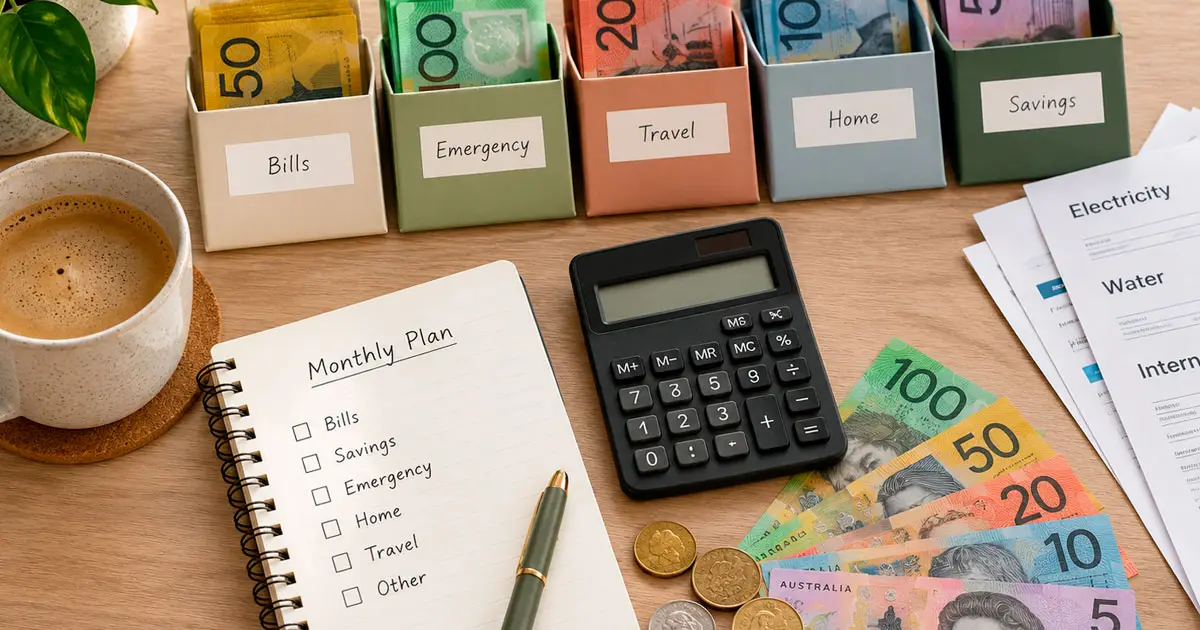
Finder’s latest research found 43 per cent of Australians had less than $1000 in savings, highlighting how little room many households have to absorb an unexpected expense.
For retirees, the pressure can be compounded by the fact that many of the expenses consuming their income are difficult to avoid.
Electricity is still needed, the grocery trolley still needs filling and insurance, council rates, transport and other regular bills continue to arrive regardless of what the economic indicators are showing.