
ADVERTORIAL
COST-of-living pressures are being felt across our community – and they are not lost on Redland City Council.
Every decision we make is increasingly viewed through that lens: what it costs today, and what it means for tomorrow.
One of the biggest contributors to your rates notice is waste.

And on Redlands Coast, the reasons are both practical and unavoidable.
Unlike many other local governments, Council does not have its own landfill.
For more than a decade, every piece of waste collected here has been transported outside our city for disposal.
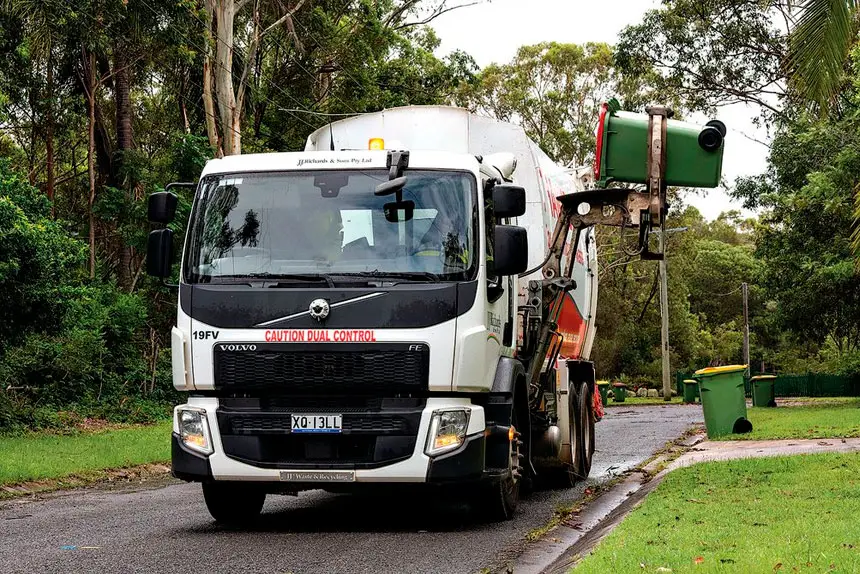
That adds up to more than 6000 truck movements each year, travelling more than 3.6 million kilometres. It is a logistical reality that comes with a significant price tag.
The city’s geography compounds that challenge.
Serving six island communities alongside the mainland – and maintaining eight recycling and waste centres – means we operate a system that is more complex, and therefore more costly, than many other local governments.
Council is also dealing with the legacy of the past, remaining responsible for 28 actual or suspected closed landfill sites.
Significant investment is underway to rehabilitate areas such as Judy Holt Park – work that protects the environment while delivering long-term benefits like improved green space and sporting facilities.
These are necessary investments, but they do come at a cost in the short term.
Beyond Redlands Coast, broader pressures are pushing waste costs higher across south-east Queensland.
Landfill space is becoming scarcer, and we have had to find a new location to dispose of our landfill waste.
Transport distances are increasing, while fuel and operational expenses continue to rise.
All of this is set to increase the costs of sending waste to landfill.
Adding to this, the Queensland Government’s waste levy is set to more than double over the next five years, placing increased pressure on costs – while also reinforcing the urgent need for all of us to reduce the amount of waste we generate.
All of this has a cumulative effect.
In the 2025/26 financial year, Council’s budget for the delivery of waste services was $37.8m – from bin collection and facility operations to disposal or processing nearly 120,000 tonnes of waste and recyclables and this is forecast to rise well above CPI in the 2026/27 financial year.
This essential service is funded through the waste utility charge on your rates notice.
The reality is clear: the current system is not sustainable in the long term.
That is why we are taking action now.
Council is reviewing how waste is managed across the city to ensure services are as efficient and cost-effective as possible.
We are also investing in long-term solutions – including a new regional recycling facility in partnership with Logan and Ipswich councils, that is expected to deliver annual savings and give Council more control of resource recovery in our region, positively influence our future and maximise value to our ratepayers.
The facility will also include a dedicated education centre to help the community understand the role they play in reducing contamination and improve recycling habits.
With these improvements on the horizon, it is now more important than ever for residents to get their re-
cycling sorted.
Closer to home, Council is reshaping the way it manages its recycling and waste centres to create a system that is fairer, more sustainable, and better equipped for the future.
These decisions are not easy.
But there is a cost to acting now – and an even greater cost if we don’t.
Waste management is ultimately a shared responsibility.
Council provides the infrastructure and services, but its success depends on the choices we all make every day.
Reducing waste, recycling correctly, and putting the right items in the right bin may seem simple – but collectively, they have a real and measurable impact.
If we are to manage rising costs and build a more sustainable future for Redlands Coast, it will take all of us working together.
To find out more, search “Redland Waste Strategy” on Council’s website.