
THE FIFA World Cup underway in North America should serve as a reminder that major international sporting events can leave a lasting infrastructure legacy, says Federal Member for Bowman Henry Pike.
Mr Pike said host cities often benefitted from major transport and infrastructure projects that continued delivering value long after the final whistle.
“Long after the trophy is lifted, the real winners of events like the World Cup are the host cities themselves,” Mr Pike said.
“One of the great lessons of major sporting events is that they force governments to get serious about projects that should have been built years earlier.”

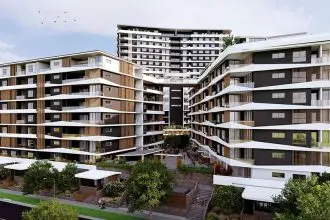
He pointed to transport upgrades delivered in several World Cup host cities, including Metro subway extensions in Los Angeles, completion of a light rail network in Seattle, expanded public transport in Vancouver and major urban redevelopment projects in Atlanta.
“None of these projects were really about football, they were about leaving the host city better than they found it,” he said.
“That must be Brisbane’s approach to the 2032 Olympic and Paralympic Games.”
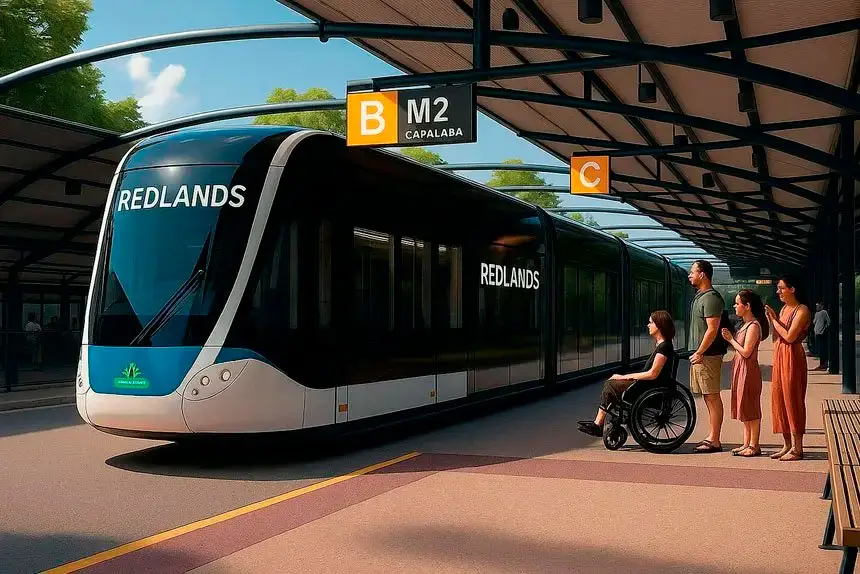
Mr Pike said the Redlands should be a key beneficiary of Brisbane’s Olympic infrastructure program, with an extension of the Brisbane Metro to Capalaba a priority project.
“I have been advocating for a Metro extension to Capalaba for four years because I know the difference it will make for local families,” he said
“Last year, I was proud to help secure a bipartisan $50 million federal commitment to deliver the detailed business case, and that work is now underway.”
His comments come as Redland City Council’s Redlands Coast 2032 Legacy Working Group identified the Brisbane Metro eastern expansion as one of the city’s major Olympic legacy opportunities.
At its recent meeting, the group discussed transport and connectivity as a key focus area and highlighted the need for strong advocacy with Brisbane City Council and the State Government to progress the project.