
REDLAND City Council has moved to adopt a sweeping 20-year active transport strategy aimed at getting more residents out of cars and onto footpaths, bikeways and shared paths with a target to double walking and riding trips by 2046.
The Redlands Coast Active Transport Strategy sets a goal to lift active travel’s share of all trips from about 9 per cent to 18 per cent over two decades — a shift council says is critical to avoid worsening congestion, parking pressure and car dependence as the city grows.
Population is forecast to rise by about 50,000 people to 211,500 by 2046, with local jobs increasing from about 50,200 to 71,900.
The plan argues Redlands has strong foundations, with more than 565km of pathways and a high number of short trips that could be shifted away from cars.

Almost half of all trips are under five kilometres and a quarter are less than two, while about 60 per cent of school trips fall within three kilometres.
Despite this, active travel has declined sharply.
Journey-to-work data shows about 90 per cent of trips are by private vehicle, compared with just 2 per cent by active transport and 4 per cent by public transport.
Safety remains a key barrier, with 180 crashes involving pedestrians or riders recorded between 2020 and 2024.
Busy intersections including Shore Street West and Wellington Street in Cleveland, and Moreton Bay Road and Redland Bay Road in Capalaba, have been flagged as problem areas requiring safer crossings, better lighting and stronger separation from traffic.
Speaking during the debate, Cr Peter Mitchell said the strategy was ultimately about expanding options rather than restricting them.
“At its heart, the strategy isn’t about taking anything away. It’s actually about giving people more choice, choice in how they travel,” he said.
“Choice in how safely we can move through their neighbourhoods and choice in how our city grows in a way that’s healthier, more inclusive, and more connected.”
Cr Mitchell said doing nothing was not an option given the scale of growth ahead.
“Over the next 20 years, Redlands Coast is expected to welcome around 50,000 additional residents, around 20,000 new jobs. Almost half of the trips that we take in our city are less than five kilometres in length,” he said.
“If we rely on cars alone to meet that growth, congestion will worsen, costs will rise, and pressure on our road network will intensify. Doing nothing is not a neutral option.”
He said active travel — including walking, riding and wheeling — offered a practical alternative for many short trips if supported by safe, connected infrastructure.
“Importantly, this strategy doesn’t preach, and it doesn’t overreach, doesn’t tell people how to travel. It simply enables safer, equitable travel choices,” he said.
Cr Mitchell also acknowledged community concerns around road space, safety and interactions between different transport modes, saying the strategy prioritised vulnerable users including pedestrians, children, older residents and people with disability.
The strategy focuses on building five-kilometre catchments around key destinations such as schools, centres, transport hubs and parks, while improving “last mile” links, closing network gaps and requiring better-connected walking and cycling infrastructure in new developments.
Equity is also central, with council noting an ageing population and residents without regular car access.
Redlands has a median age of 43, with one in five residents over 65 — projected to rise to one in four by 2046 — while 4.5 per cent of households do not own a car.
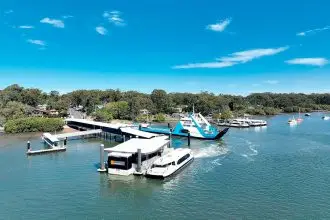
Island communities including North Stradbroke, Russell, Macleay, Lamb, Karragarra and Coochiemudlo have been identified as key opportunities due to shorter trip distances and reliance on ferries.
Cr Paul Bishop said the strategy would play an important role in preparing the city for long-term change, particularly in reducing reliance on cars.
“This document is very important in helping us to prepare for a future that requires community engagement, and moving away from car dependency, which will require work from every level of government and development industry, and also new habits formed by the general community,” he said.
Cr Bishop pointed to a long-term decline in children walking or cycling to school, noting this had contributed to peak-time congestion.
“Internationally Australia has trended down the most in terms of the proportion of children walking or cycling to schools, dropping from 75 per cent in 1970 to 25 per cent now,” he said.
“If we can use active travel, encourage culture change, and common sense to underpin the requirements for this strategy to work, the results will lead to a more healthy, safe, and connected community.”
The strategy also addresses the rise of e-bikes and e-scooters, flagging potential future policy work around hire schemes, parking and speed management following a 2026 state inquiry into e-mobility.
Beyond infrastructure, council is pushing behaviour change programs, including school initiatives, workplace travel planning, improved signage and maps, and better end-of-trip facilities such as bike parking, lockers and showers.
Pilot programs are also proposed for council’s 1100 staff.
The report argues increasing active travel would deliver economic and health benefits, citing potential savings of up to $100 million a year in congestion, alongside reduced health and climate costs, while also boosting local business activity in more walkable centres.
Council currently spends about 13 per cent of its transport budget on active travel, compared with about 1 per cent from state and federal governments.
Spending is proposed to rise from $4.68 million in 2024-25 to about $6.5 million by 2046 in today’s dollars.
Priority actions over the next five years include targeting high-need areas, fixing key gaps near major destinations, rolling out behaviour programs and strengthening advocacy to other levels of government.
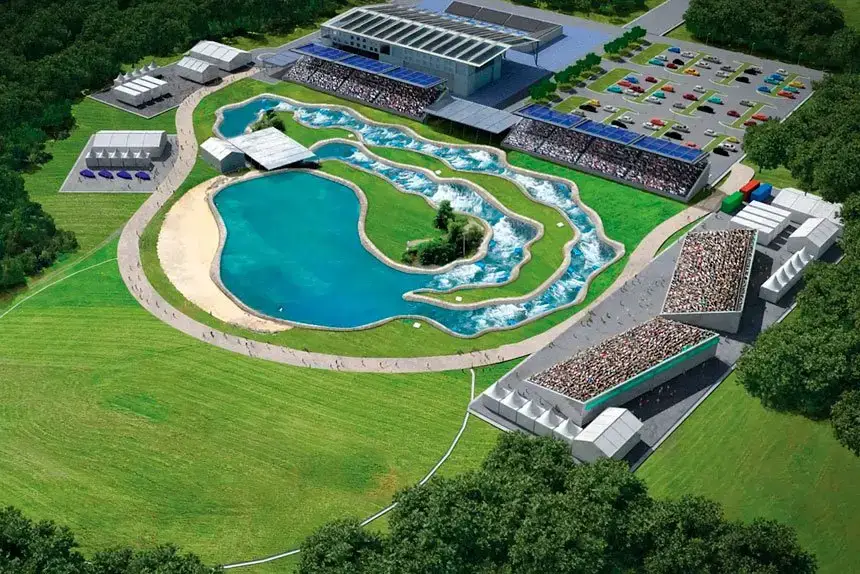
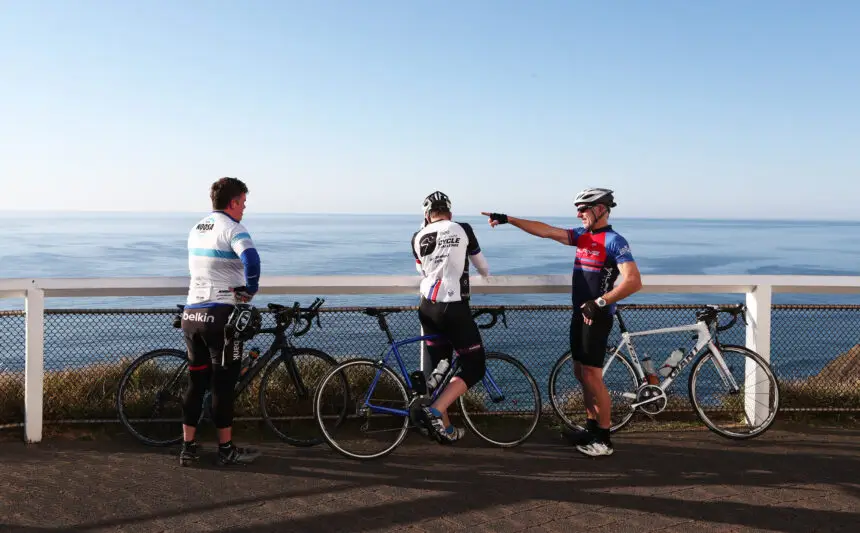
The strategy also links improved walking and cycling networks to tourism opportunities, including the Moreton Bay Cycleway and potential benefits tied to the Brisbane 2032 Olympic and Paralympic Games.