



A FLOCK of ducks removed from Perulpa Island has sparked a wave of community backlash, with residents and the local councillor split over whether the move was a necessary safety intervention or an overreach by Redland City Council officers.
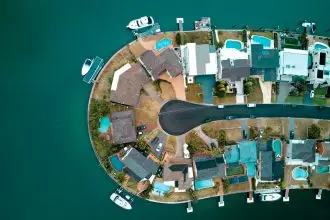
Perulpa Island is a small island attached to Macleay Island.
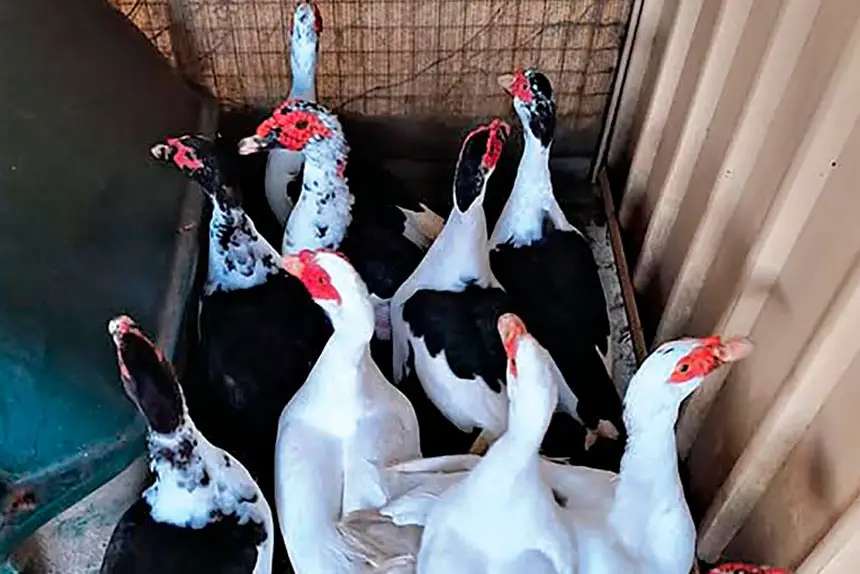
The 10 birds were collected and taken to the Council animal shelter, triggering a storm of reaction.
Some locals accused authorities of “duck-napping” long-time island residents, while others argued the animals were at risk and needed intervention.

One resident said: “It’s a travesty that RCC dog control officers have kidnapped Perulpa ducks,” while another said:
“They’ve been roaming here for years … will miss them.”
Others took a more pragmatic view, suggesting the ducks may have been in danger.
“If they’re roaming roads, they’re in danger – someone has to step in,” another said.
Division 5 councillor Shane Rendalls said he had received no complaints about the ducks themselves – only concerns following their removal.
“The only complaints I’ve had is about the removal of them … no complaints about the ducks,” Cr Rendalls said.
“I’m finding it hard to think about why there’s such a problem.
“They don’t bite people. They don’t chase dogs. They don’t chase cats.”
Cr Rendalls said the birds, believed to be Muscovy ducks, may provide some environmental benefit despite being a non-native species.
“They eat grass, they trim grass down. They eat insects and grubs … I think they’re more probably an asset for the introduced environment than a negative,” he said.
But Council said the removal followed ongoing complaints and was necessary to address safety and nuisance concerns.
A Council spokesperson said Council had been investigating reports relating to the ducks, including hygiene issues, aggressive behaviour, welfare concerns and risks to motorists.
“Council has an obligation to respond to community complaints and address any hazards or nuisances that may result from excessive numbers and straying of ducks on the island,” the spokesperson said.
“Muscovy ducks are domesticated birds, not a native species, and they often compete with native ducks for food, nesting sites and space due to their size.
“They can also be extremely territorial and display aggressive behaviours towards people, particularly during breeding season and around nesting sites or food sources.”
Council confirmed the ducks were impounded on March 27 because they were straying and said all domestic animals must be kept appropriately contained.
“All domestic animals, regardless of species or breed, are required to be kept in an adequate enclosure,” the spokesperson said.
The ducks are currently being held at the Redland Animal Shelter while a decision is made on their future.
“The ducks will remain at Redland Animal Shelter until a decision is made on whether they will be made available for adoption or be re-homed to a rescue organisation,” the spokesperson said.
One ratepayer claimed the birds were a non-native species.
“They take habitat away from native birds and are as harmful, if cuter, than rabbits or cane toads,” he wrote.
That view was echoed by others who said impounding the ducks was consistent with how Council manages roaming domestic or non-native animals.
“The Council impounding them to find their owner is the right thing to do,” another posted.
But many island locals remain unconvinced, arguing the birds were part of the community fabric.
“Duck-napped. Bring them back,” one resident wrote, while another added: “Part of our island’s cultural identity.”
Cr Rendalls stopped short of directly criticising Council’s decision, but suggested there were more pressing issues facing the community.
“I think there’s bigger priorities for Council to focus on, like roads and parking,” he said.
“These ducks can exist quite well in the wild … they’re sort of part of the circle of life.”
Animal welfare concerns also surfaced with some residents asking what would happen if the ducks were not rehomed.
Several commenters reassured the community that the Council shelter typically works to rehome animals or place them into care rather than euthanising healthy animals.