

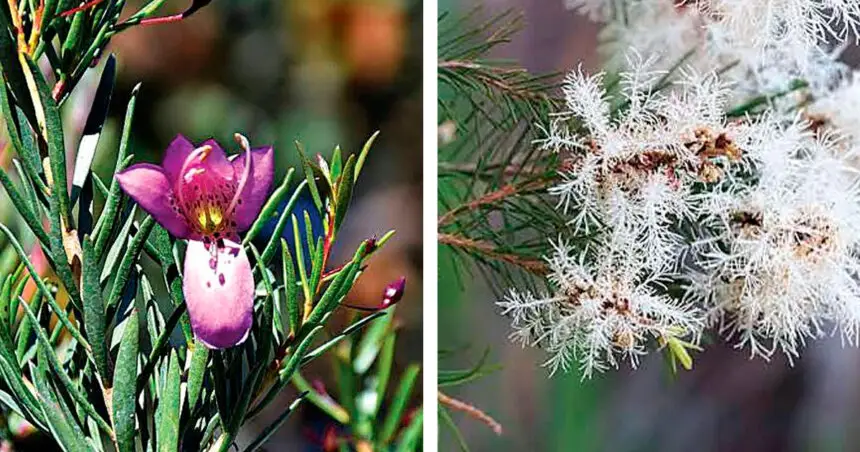
LONG before antiseptic creams and prescription antibiotics were found in every pharmacy, Indigenous Australians were using native plants to treat wounds, infections and other health problems.
Now, Australian researchers are taking a closer look at two traditional remedies, tea tree and a native plant known as poverty bush, to understand why they have been used for generations.
Tea tree oil comes from Melaleuca alternifolia, a plant native to northern New South Wales and South East Queensland.
Aboriginal communities traditionally crushed its leaves and used them in treatments for wounds and skin conditions, and today tea tree oil can be found in everything from acne creams to shampoos and household products.

A review led by University of Western Australia researchers found the oil showed antibacterial, antifungal and anti-inflammatory properties in laboratory studies, with some human studies suggesting it could help treat acne and fungal infections, although researchers say more evidence is needed.
Another lesser-known remedy is Eremophila alternifolia, commonly called poverty bush and sometimes grouped with plants known as emu bush.
The plant has traditionally been used by Aboriginal communities to treat skin, eye and throat infections, including septic wounds. Its leaves were prepared in several ways, such as infusions and handmade pastes.
When Australian researchers put the plant to the test, they found several natural compounds in its leaves that could kill certain types of bacteria, including some that are difficult to treat with antibiotics.
However, all this doesn’t mean people should start picking native plants or using them instead of medical treatment.
The poverty bush compounds have been tested in a laboratory, not as approved treatments for hospital patients and were ineffective against some bacteria examined during the research.
Essential oils can also be harmful when used incorrectly – Victoria’s Better Health Channel warns they shouldn’t be swallowed and may irritate or burn the skin if applied undiluted.
The research isn’t proof that traditional remedies can replace doctors or hospitals but instead, it shows modern science is beginning to investigate knowledge Indigenous Australians have built and passed down over generations.