
Older Australians will soon be able to access free protection against Respiratory Syncytial Virus (RSV), with the Federal Government rolling out a major pre-winter vaccination program aimed at reducing serious illness and hospitalisations.
From May 15, 2026, Australians aged 75 and over, along with Aboriginal and Torres Strait Islander people aged 60 and over, will be eligible for a free RSV vaccine through their GP, pharmacy, immunisation clinic or community and Aboriginal health service.
The $445.3 million investment will see the vaccine Arexvy® added to the National Immunisation Program (NIP), removing a cost that would otherwise sit at around $300 per dose.
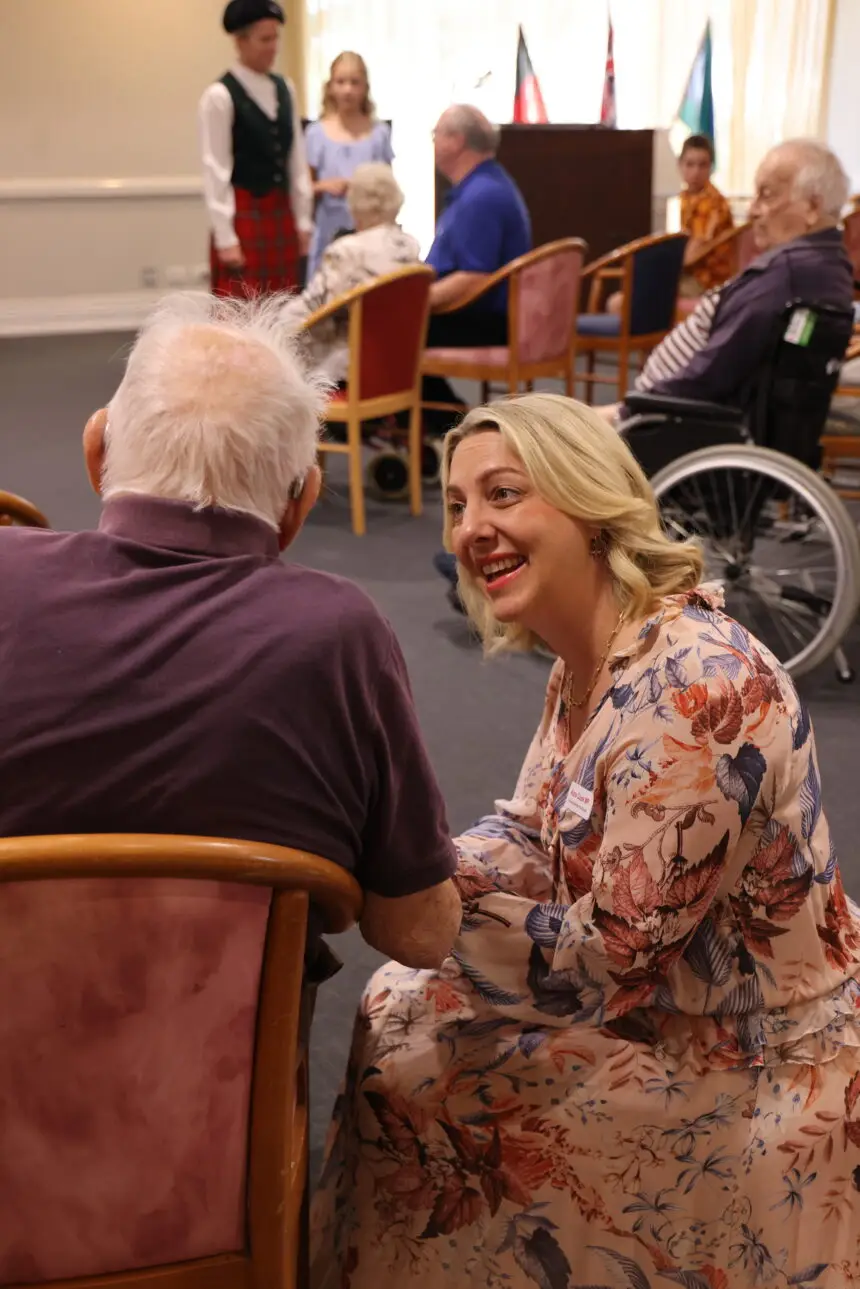
Federal Member for Bonner Kara Cook said the move was designed to protect some of the community’s most vulnerable residents ahead of the winter illness season.

“RSV can have serious impacts, particularly for older Australians, including those in aged care and older First Nations communities,” Ms Cook said.
RSV is a common respiratory virus but can lead to severe illness and hospitalisation, particularly among older people and those with underlying health conditions or living in aged care settings.
Ms Cook said making the vaccine free was a practical measure to improve community health outcomes.
“Making the RSV vaccine free for older Australians is a practical step to keep our community safe and healthy, especially as we head into winter,” she said.
“This is about removing cost barriers so more people can access the protection they need.”
The rollout builds on existing free vaccinations available under the NIP, including influenza and COVID-19, with health authorities continuing to urge eligible Australians to stay up to date with their annual flu shot.
“We know respiratory illnesses like RSV and influenza can have serious impacts, particularly for older Australians and those in aged care,” Ms Cook said.
“I encourage everyone who is eligible to speak with their GP or pharmacist and make sure they’re protected this season.”
In Bonner, the program means older residents will be able to access the vaccine locally through a range of healthcare providers, as part of broader efforts to strengthen preventative health care across the community.