
AROUND one billion people worldwide mark Diwali each year, making the Festival of Lights one of the world’s biggest and most colourful celebrations.
Also known as Deepavali, the ancient festival has roots stretching back thousands of years across the Indian subcontinent. Its name translates as “a row” or “garland of lights” – a fitting description for the candles, lanterns and tiny oil lamps that transform homes, temples and streets into glowing displays.
Diwali follows the Hindu lunar calendar and usually falls in October or November, on the new-moon night of the month of Kartik. It is a time associated with light overcoming darkness, knowledge overcoming ignorance, and hope overcoming despair.
While Diwali is most closely linked with Hindu traditions, it is also observed by Sikhs, Jains and some Buddhist communities, each with their own stories, customs and prayers.

For many Hindus, Diwali celebrates the return of Lord Rama to his kingdom after 14 years in exile and his victory over the demon king Ravana. In other parts of India, the festival honours Lord Krishna’s defeat of the demon Narakasura.
The goddess Lakshmi, who represents wealth, prosperity and good fortune, is also central to Diwali celebrations. Families often clean and decorate their homes before the festival, believing a bright, welcoming home will invite her blessings for the year ahead.
For Sikhs, Diwali coincides with Bandi Chhor Divas, commemorating the release of Guru Hargobind from imprisonment. Jains mark the occasion as the day Lord Mahavira, their most revered teacher, attained enlightenment.
Although the stories differ, the shared message remains consistent: goodness, renewal and hope can prevail.
Traditionally, Diwali is celebrated over five days, with customs varying between regions, families and faiths. Some communities hold large public events over one day, while others mark the full festival with prayers, family gatherings and special meals.
Food is at the heart of the occasion. Families exchange sweets and share feasts featuring favourites such as jalebi, almond burfi and soan papdi.
In some traditions, a colourful “mountain of food” is prepared as a symbol of abundance and gratitude before being shared with family, friends and neighbours.
Doorsteps are often decorated with rangoli – detailed patterns made from coloured powders, flowers or rice – while homes are dressed in red, gold and other vibrant colours associated with life, prosperity and celebration.
In many parts of India, Diwali is also linked to a fresh start for households and businesses. Old accounts may be settled, new books opened and gifts exchanged as families look ahead to the year with optimism.
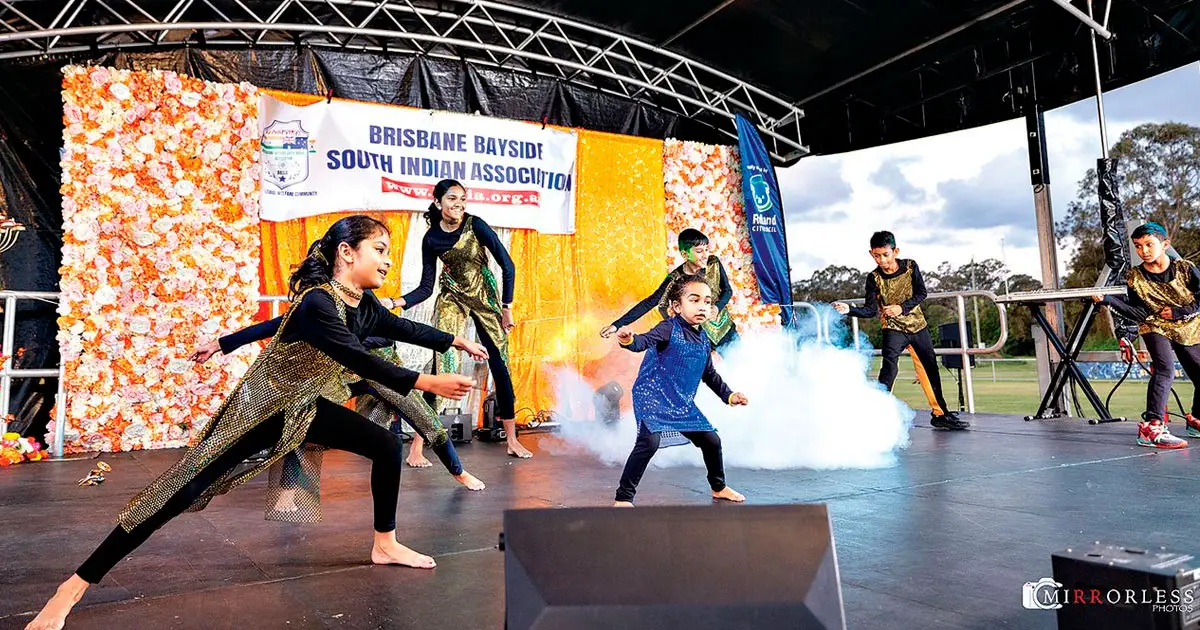
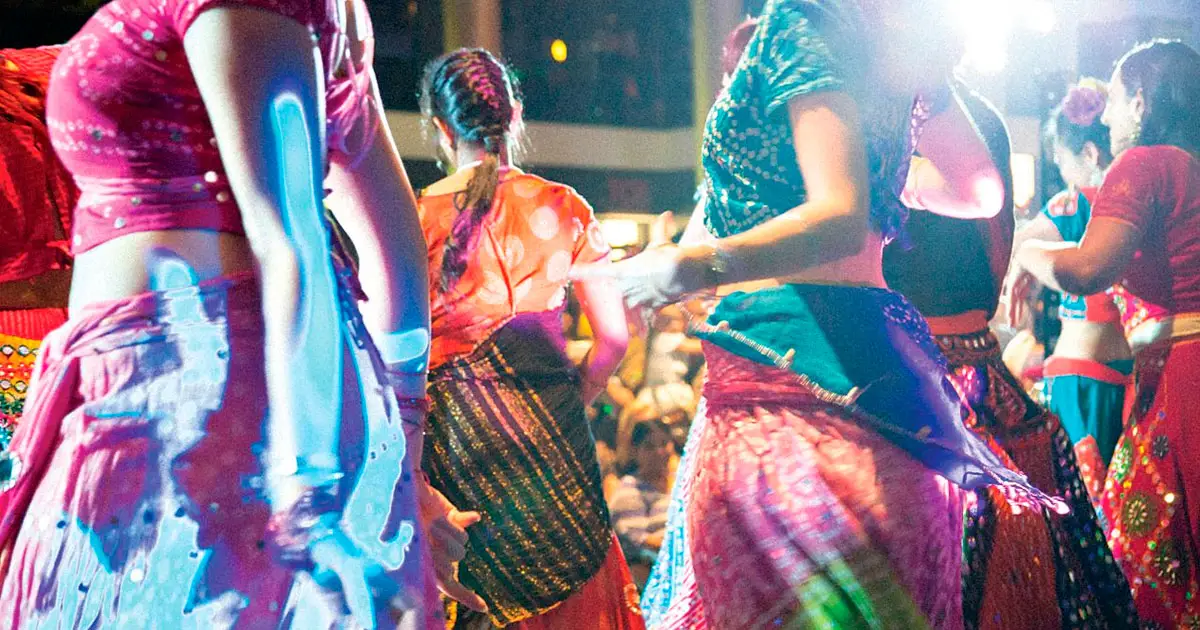
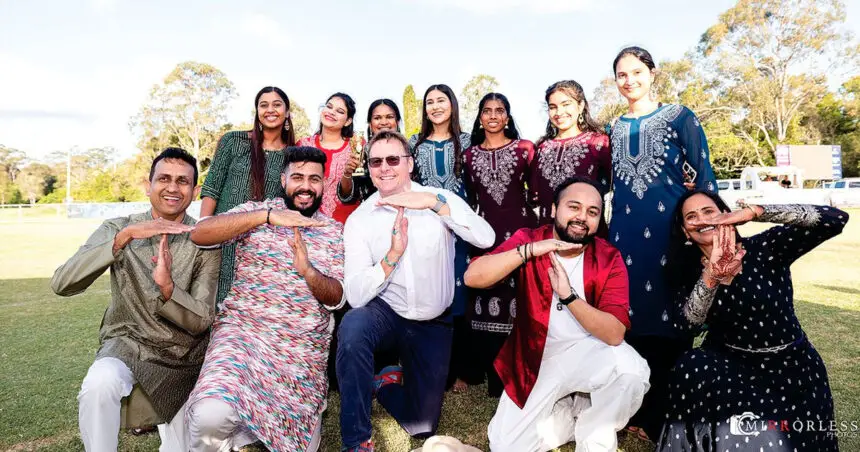
Today, Diwali’s warmth and spectacle reach far beyond India. From London and Singapore to Australia, Canada and the United States, communities gather for cultural performances, prayers, food stalls, light displays and fireworks.
It is a festival with deep religious meaning, but its spirit is widely shared. Offering sweets, learning about the traditions or simply wishing a friend “Happy Diwali” are small ways to take part in its message of generosity and connection.
At its heart, Diwali is a reminder to seek out the light – in our homes, our communities and one another.
Diwali events
- Saturday, October 31, 3-9pm — Sam Sciacca Sportsfields (Capalaba Bulldogs Football Club), Old Cleveland Rd, Capalaba.
- Saturday, October 31, 4-9pm — Hindu Council of Australia Deepavali 2026, Mount Gravatt Showgrounds, 1644 Logan Rd, Mount Gravatt.
- Friday, November 6, 11am-10pm — Diwali Festival of Lights (BCC), at King George Square, 100 Adelaide St, Brisbane.
- Saturday, November 14, 4-10pm — The Grand Diwali, Mount Gravatt Showgrounds, 1644 Logan Road, Mount Gravatt.