
Real Estate Business
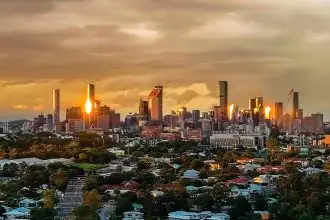
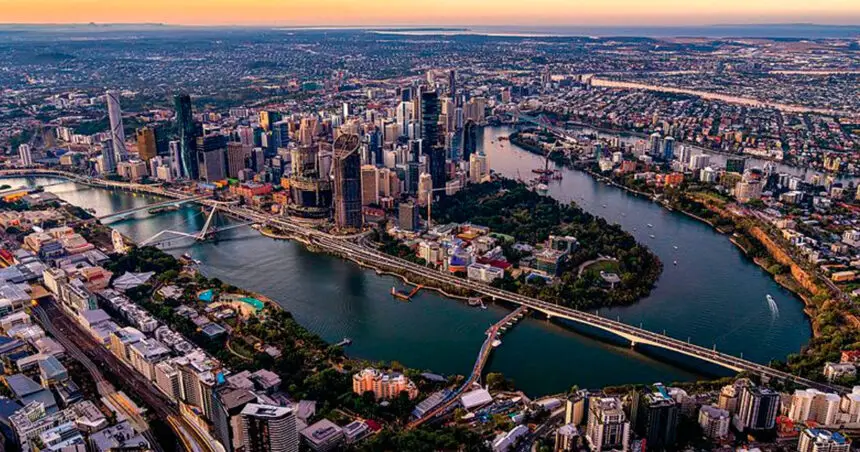
BRISBANE’S extraordinary property run may be facing a reality check, with new analysis suggesting houses in the Queensland capital are overvalued by as much as 61 per cent compared with rents.
After years of strong price growth, Brisbane has emerged as the most overvalued capital city housing market in the country based on inflation-adjusted price-to-rent ratios.
Analysis by AMP Chief Economist and Head of Investment Shane Oliver found houses across Australia’s capital cities were overvalued by an average of 38 per cent, while units were considerably closer to balance at an average of 8 per cent overvalued.

Brisbane stood out from the pack, with houses estimated to be 61 per cent overvalued relative to rents. Its unit market was also considered significantly overvalued at 35 per cent.
The figures follow a remarkable period for Brisbane property, fuelled by strong interstate migration, population growth and major infrastructure investment.
But Mr Oliver warned the widening gap between property prices and rents could leave some markets more exposed if the national housing downturn gathers momentum.
“In terms of houses, Brisbane, Adelaide, Sydney and Hobart are the most overvalued and vulnerable and so are likely to see falls in excess of 10 per cent top to bottom,” Oliver said.
Despite expectations of softer prices, Mr Oliver said several factors continued to provide a floor under the property market.
Australia’s chronic shortage of housing remained a major influence, while increased demand from first-home buyers following the expansion of the five per cent deposit scheme was also supporting activity.
Home owners were not yet showing signs of rushing for the exits, with new property listings below levels recorded a year earlier.
“Vendors don’t appear to be in a rush to sell just yet, with new listings down from a year ago levels, suggesting that they are waiting for better prices and distressed selling is not an issue at the present,” Mr Oliver said.
However, a lift in listings during the spring selling season, combined with the possibility of further interest rate rises and changes in unemployment, could put additional pressure on prices.
Beyond the immediate downturn, Mr Oliver said Australia could be approaching the end of a property “super cycle” that has helped drive house prices higher for around three decades.