
National Seniors Australia
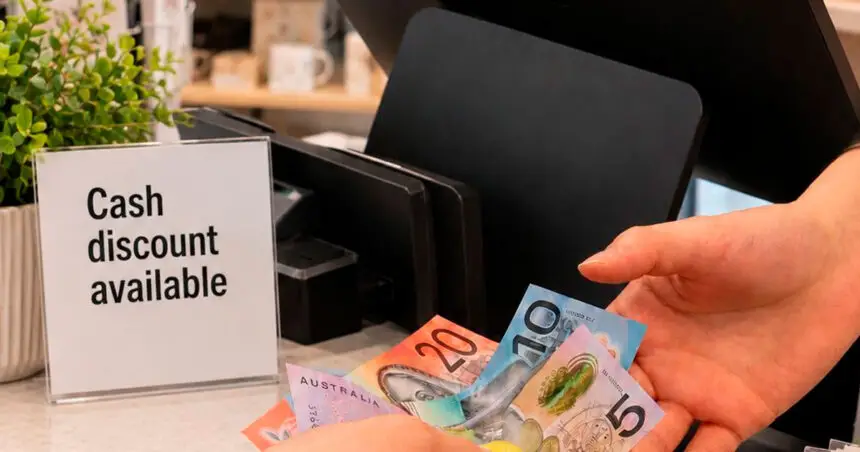
IN A world where tapping a card or mobile phone has become second nature, the humble banknote is proving it still has an important place in Australian pockets.
While digital wallets, contactless payments and online banking continue to transform the way Australians spend their money, cash remains an essential part of everyday life for many older residents.
For some, it is a familiar and trusted way to manage household expenses.

For others, it provides peace of mind, particularly when technology fails or electronic payment systems are unavailable.
According to the Reserve Bank of Australia’s 2025 Consumer Payments Survey, approximately 10 per cent of Australians aged 65 and over used cash for every transaction.
Although cash use has declined across the broader population, the figures demonstrate that a significant number of older Australians continue to rely on physical currency.
For those managing a fixed retirement income or pension, having cash in hand can also make budgeting easier.
Setting aside money for groceries, household bills, transport and other everyday expenses allows people to see exactly what they have available and avoid spending beyond their means.
Unlike electronic transactions, where purchases can quickly accumulate without the physical exchange of money, cash provides an immediate reminder of how much has been spent.
But the importance of maintaining cash access extends well beyond personal preference.
The Reserve Bank’s survey also found that approximately one in three Australians would experience hardship or major inconvenience if they were unable to withdraw or use cash.
For older Australians who may be less comfortable with smartphones, banking applications or digital wallets, the ability to withdraw and spend cash can be particularly important in everyday life.
It also offers an alternative when internet connections fail, payment terminals malfunction or electronic banking services are disrupted.