

FROM smart watches that know when you need a rest to blood tests that dig deeper into what is happening inside the body, the pursuit of better health is becoming more personal, proactive and high-tech.
Once upon a time, keeping healthy was relatively straightforward.
Eat your vegetables, get some exercise, have a decent night’s sleep and visit the doctor when something did not feel right.
Those fundamentals have not disappeared and arguably matter more than ever, but the wellness world surrounding them is changing rapidly.

People are increasingly interested in understanding what is happening inside their bodies before something goes wrong. They are tracking sleep, monitoring recovery, building muscle, scrutinising what’s in their food and paying closer attention to their brain and gut health.
At the same time, artificial intelligence, advanced diagnostics and wearable technology are putting extraordinary amounts of health information within reach.
The result is a shift from “How do I get healthy?” to “How do I stay healthier for longer?”
And that could define health and wellness in 2026.
One of the clearest changes is happening in preventative health.
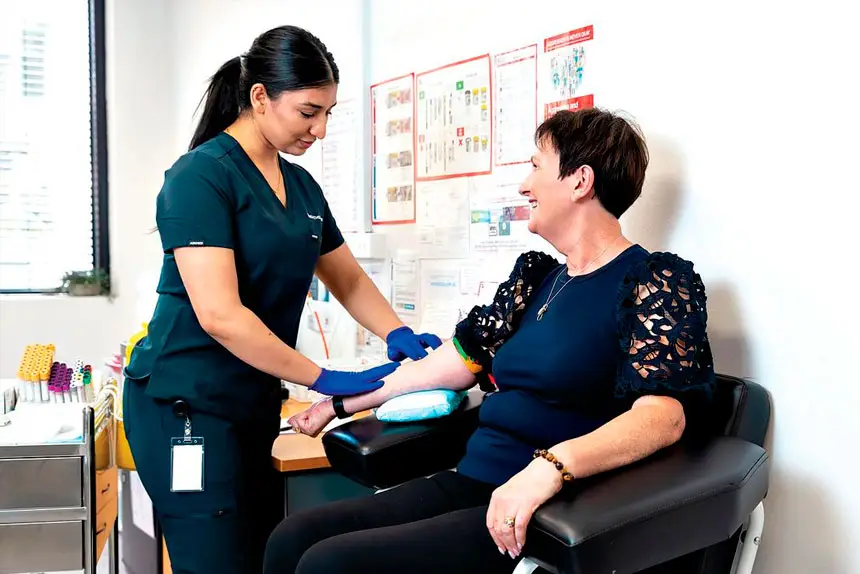
For generations, an annual check-up and routine blood test have been the cornerstone of keeping tabs on your health.
Interest is growing in advanced blood testing looking at areas including metabolic health, inflammation and hormones, alongside newer fields such as biological-age testing, genetics and microbiome analysis.
The growing popularity of these services reflects a desire to identify potential warning signs earlier and track changes over time rather than waiting for symptoms to appear.
Not every commercially available screening test is recommended for everyone, while abnormal or incidental findings can sometimes lead to unnecessary anxiety and further investigation.
Qualified medical advice remains important when deciding which tests are appropriate.