
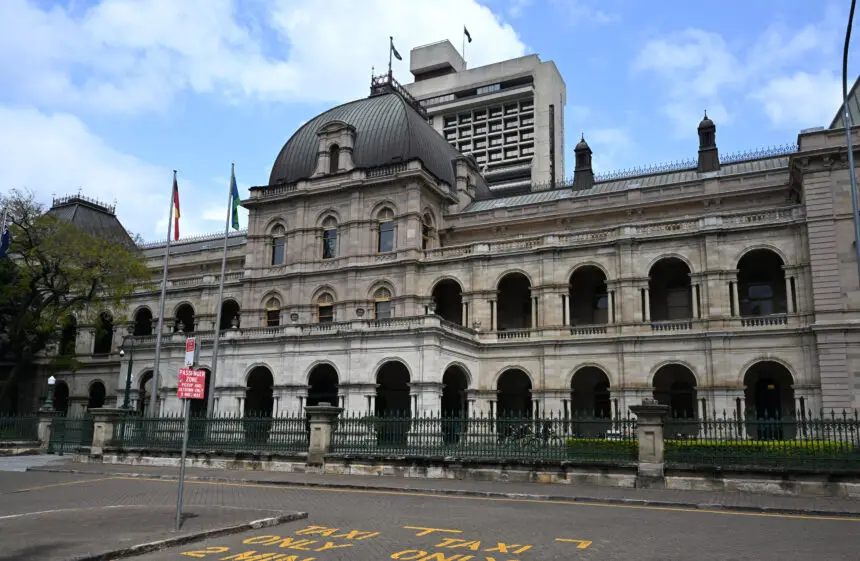
REDLAND City Council will push for sweeping changes to the way the Queensland Government funds local councils, including calls for the State to start paying council rates on government-owned land and to take back responsibility for maintaining state school carparks.
Councillors this week endorsed six motions for debate at the 2026 Local Government Association of Queensland (LGAQ) Conference in Cairns, where councils from across the state set the organisation’s advocacy priorities.
The proposals argue Queensland councils are increasingly being left to absorb costs that should be borne by the State Government, placing growing pressure on ratepayers.
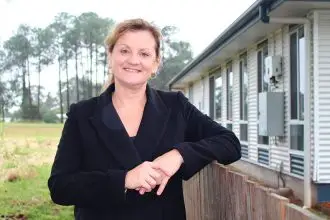
Speaking during the debate, Cr Rowanne McKenzie said the Local Government Association of Queensland played a vital role in bringing the state’s 77 councils together to advocate with a united voice.

Quoting Helen Keller, she said: “Alone we can do so little; together we can do so much.”
She said cost shifting onto Queensland councils had reached about $360 million a year and was “simply not financially sustainable”.
Among the most significant motions is a call for legislative reform requiring the State Government to pay council rates on state-owned or state-occupied land, including hospitals, schools and transport corridors.
Council argues the current system creates a structural imbalance because councils provide roads, drainage, waste services and community infrastructure to these properties without receiving rates revenue in return.
It is also seeking reforms to leasing arrangements where councils pay rent or lease fees to use State-owned land for public infrastructure, while advocating for more equitable funding arrangements between the two levels of government.
Cr McKenzie said councils were also unfairly paying the State Government to occupy land needed for essential public assets.
“It’s not fair that we have to pay the State rent, especially for critical infrastructure,” she said, pointing to the Cleveland Wastewater Treatment Plant as one example.
She also argued the State Government did not pay council rates on schools or hospitals, while councils continued to maintain many state-owned reserves at ratepayers’ expense.
A second motion targets the long-running issue of state school carparks.
Council says it currently maintains 22 school carparks across the city at an estimated annual cost of between $300,000 and $500,000 despite the facilities being owned and used exclusively by the Department of Education.
The report warns maintenance and renewal costs are expected to rise by up to 50 per cent as the assets age and is calling for responsibility to be returned to the State Government or for ongoing funding to be provided to councils.
“It’s not our responsibility to look after state schools,” Cr McKenzie said.
“That’s the responsibility of the Department of Education and the State Government, and they should be the ones that maintain, repair and replace that infrastructure.”
Another motion seeks ongoing State funding to cover the operational costs of council CCTV systems, arguing current grants fund installation but leave councils responsible for significant annual expenses including maintenance, data storage, connectivity and software.
Cr McKenzie said while governments often announced funding for new CCTV systems, the real financial burden fell on councils forced to operate and maintain the infrastructure over the long term.
A Redland City Council case study estimates a proposed expansion of its CCTV network would cost about $1.3 million to install, with ongoing operational costs of about $326,500 each year before staffing is considered.
The remaining motions focus on community and social issues, including faster State decisions and more flexible financial assistance for funeral and burial support, funding for cold body storage facilities in isolated communities such as the Southern Moreton Bay Islands, and longer lead times for Queensland Youth Week grants to allow better planning and delivery of youth programs.
Cr McKenzie said all six motions were worthwhile and expressed hope they would receive strong backing at the October conference, noting Logan City Council had already indicated support for the proposal seeking more equitable financial and tenure arrangements between state and local government.