
By Penelope Woods, MAudSt, MAudA (CCP), BMus, is a Masters Qualified Independent Audiologist and Hearing Health Advocate serving the Redlands Community.
A little while ago, my husband Damien, who leads A Better Ear with me, and I were at a community event here in the Redlands when someone told us about a hearing appointment they had gone to.
They said the test showed there was a problem, but they still walked away without doing anything because, in their words, “something didn’t feel right”. They could not fully explain it. They just knew they did not feel safe to proceed.
I think many people will recognise that feeling. Sometimes the unease comes from being rushed. Sometimes it comes from not quite understanding what was found, what is being recommended, or why one option seems to appear so quickly. Sometimes it is simply the sense that the conversation has moved from healthcare to sales before trust has had time to form.

That instinct matters more than many people realise. In hearing care, people are often making decisions when they already feel vulnerable.
They may be worried about ageing, embarrassed about missing words, or concerned about cost, appearance, or whether hearing aids will really help.
When a person feels pressure on top of that, their guard goes up. They may leave, put it off, and then spend another year straining through family dinners, asking their partner to repeat things, or withdrawing a little more from the life they enjoy.
One thing I wish more people knew is this: a good hearing appointment should not make you feel cornered. It should help you feel clearer.
Even when the news is disappointing, the process itself should feel calm, transparent, and respectful. You should understand what was found, what it means for daily life, what your options are, and what happens if you choose to wait, seek a second opinion, or do nothing for now. That is not a luxury. It is part of ethical care.
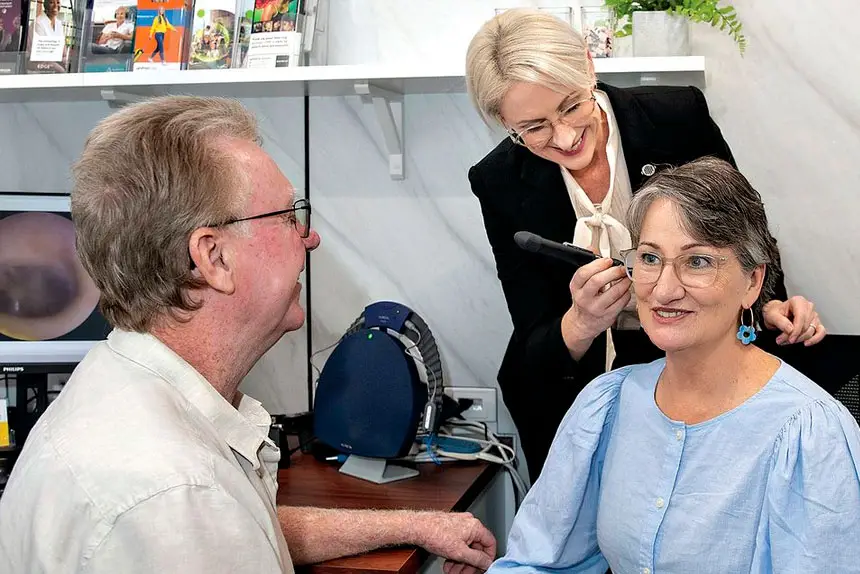
At A Better Ear, that is the standard our whole team works to. We are an independent hearing rehabilitation clinic serving the Redlands, and our clinicians use the same shared, evidence-based approach. That means the goal is not to push someone toward a quick yes. It is to understand the person in front of us, explain things clearly, and help them make a decision they can feel settled about.
Many people do not realise that the best hearing care is often as much about reducing listening strain, restoring confidence, and improving relationships as it is about the devices themselves.
So if you have ever walked out of a hearing appointment feeling uneasy, I would encourage you to trust that feeling and not ignore your hearing because of it.
In a close community like ours, thoughtful people often decide to get a second opinion, not because they want more pressure, but because they want clarity.
Any clinician at A Better Ear can provide that kind of care.