
THOUSANDS of Australian children and young people are experiencing health symptoms more commonly associated with older adults, including joint inflammation, chronic pain and vision loss.
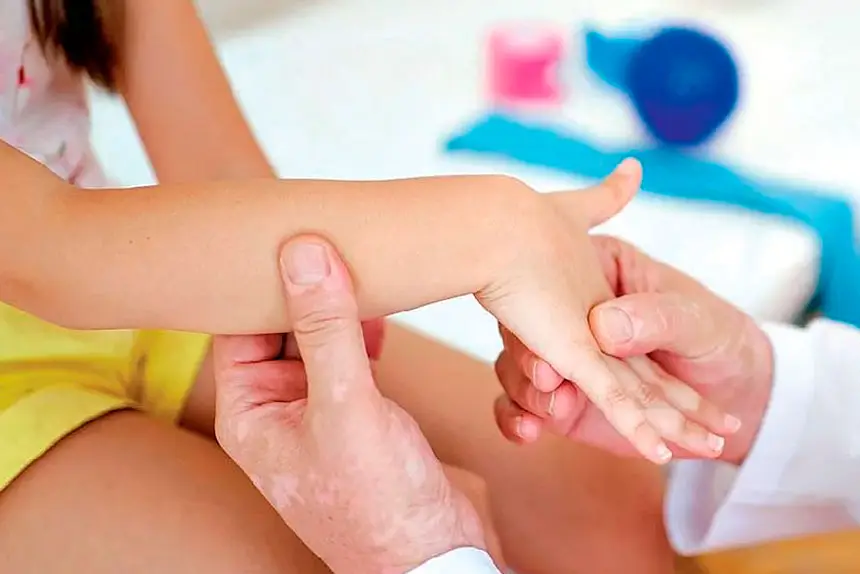
Specialists are now calling for earlier diagnosis of Juvenile Idiopathic Arthritis, a serious and incurable childhood autoimmune disease that remains widely misunderstood.
On average, it takes around 10 months for a child to receive a diagnosis of juvenile arthritis, although for some families the wait can stretch into years. These delays can place children at risk of long-term pain, permanent joint damage and disability if treatment is not started early.
The warning comes from the Juvenile Arthritis Foundation Australia (JAFA), which is working alongside the Australian Paediatric Rheumatology Group and more than 20 peak health organisations to raise awareness of the condition.

They are urging parents, teachers and healthcare professionals to recognise the early warning signs and avoid dismissing children’s complaints of pain.
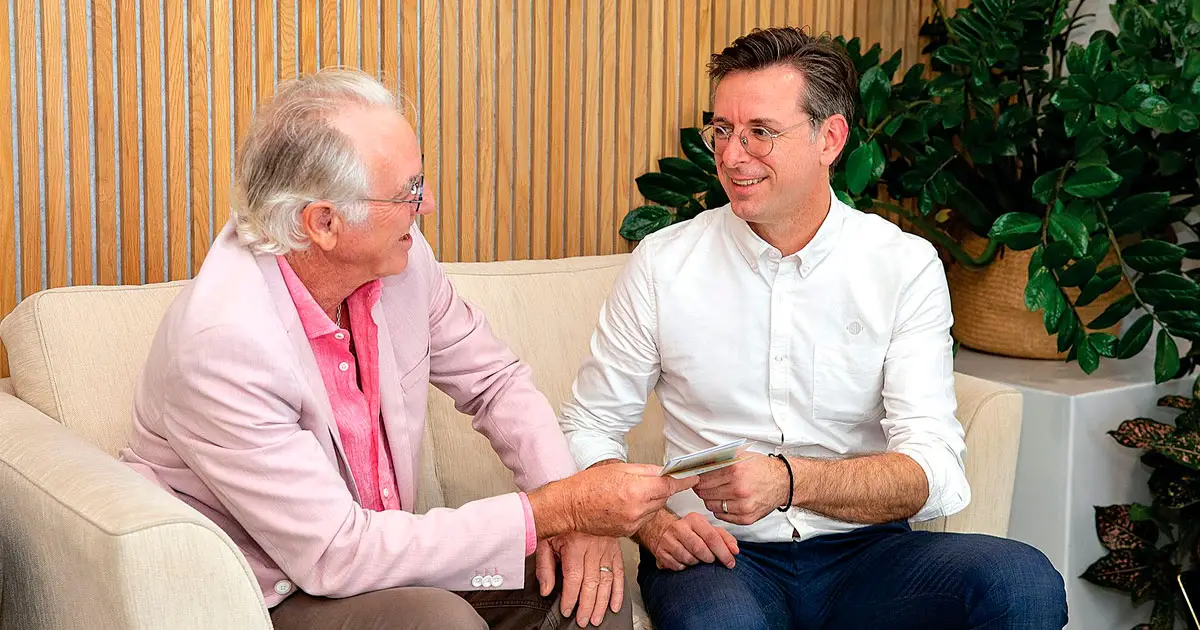
JAFA founder Ruth Colagiuri said juvenile arthritis is frequently misdiagnosed or mistaken for growing pains or sports injuries, despite affecting thousands of children nationwide – including toddlers.
“Kids with arthritis can’t wait to be diagnosed,” she said.
“Every day is critical to reducing their risk of a life of pain, disability, social marginalisation and dependence.”
She said greater awareness among both the public and health professionals was essential to ensure children receive treatment as early as possible and have the opportunity to live full and active lives.
Paediatric rheumatologist Jonathan Akikusa, chair of the Australian Paediatric Rheumatology Group, said juvenile arthritis is one of the most common chronic diseases affecting children, impacting an estimated 6000 to 10,000 Australians under the age of 16.
He warned that untreated inflammation can cause severe health complications.
“Untreated inflammation in juvenile arthritis not only causes pain and reduced physical functioning, but can lead to joint and eye damage and, in severe cases, ongoing disability,” he said.
“The earlier we diagnose the condition and begin treatment, the better chance we have of controlling the disease and protecting a child’s future.”
The condition can also have far-reaching impacts beyond physical health. Many children living with juvenile arthritis struggle to participate in everyday activities, which can contribute to mental health challenges, social isolation and difficulties at school.
JAFA’s study into the mental, physical, social and financial costs of juvenile arthritis found that 80 per cent of children experience daily pain, while more than half develop mental health conditions such as anxiety or depression.
Nearly half require aids to assist with daily activities, and many families report significant disruptions to leisure activities and sport.
Students living with juvenile arthritis miss an average of 2.6 school days each month, highlighting the educational disadvantage faced by many young people with the condition.
JAFA is continuing its work to ensure parents, teachers and allied health professionals have access to resources and information about the symptoms of juvenile arthritis so they can act quickly.
The organisation says early recognition and treatment are critical.