
ALLEGATIONS of a conflict of interest involving a senior Redland City Council executive and a local developer have been strongly rejected, as debate over the controversial Weinam Creek redevelopment continues.
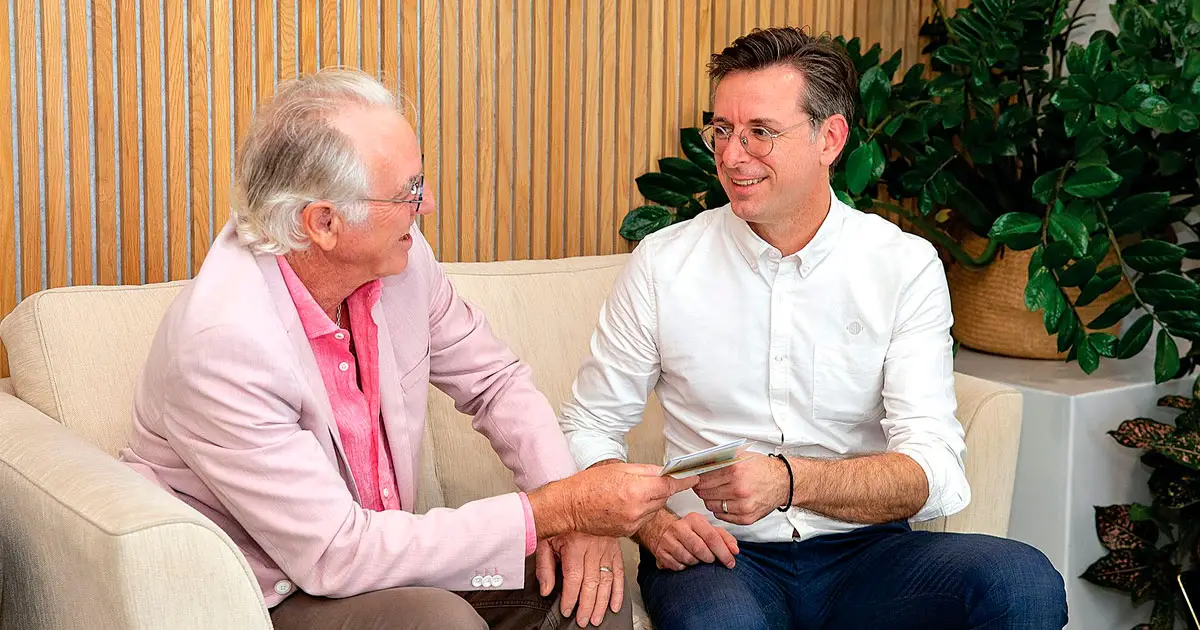
Fox and Bell managing director Greg Bell has dismissed the claims as unfounded and personally distressing, amid heightened scrutiny of decision-making linked to the Redland Bay waterfront project.
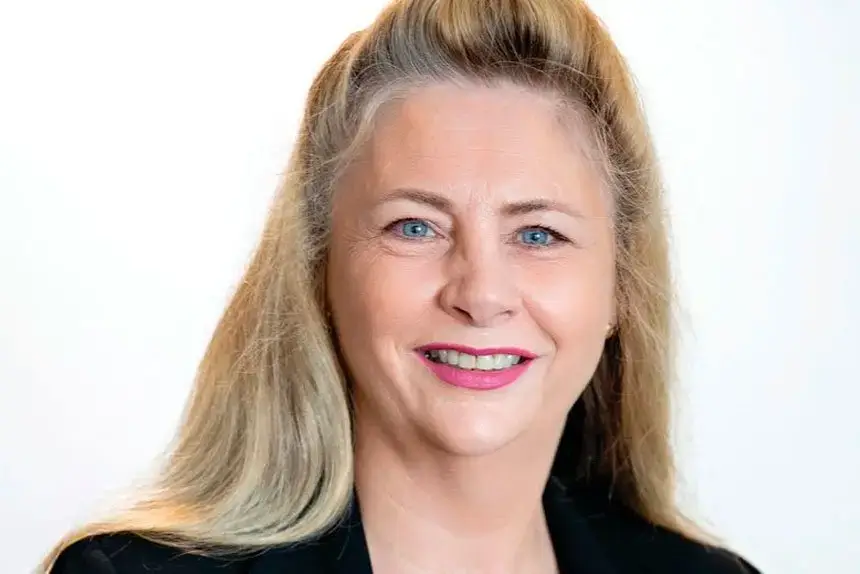
The allegations centre on a family relationship between Mr Bell and Council chief executive Louise Rusen.
Ms Rusen’s son is married to Mr Bell’s daughter — a relationship Mr Bell said pre-dated Ms Rusen’s involvement with council.

“Those two have been together for probably 15 years and married for half of that,” Mr Bell said.
“They’ve got their own family now.”
Mr Bell said Ms Rusen was not working at Redland City Council when the relationship began and later declared the connection after moving into development assessment roles within council.
He said the declaration demonstrated transparency and rejected suggestions of improper conduct.
“To be honest with you, it’s just slander,” he said.
“It upsets me just for that reason.”
Mr Bell said he had never held meetings with Ms Rusen about council matters, and their contact was limited to family events.
“We see each other at kids’ christenings and the like,” he said.
“I don’t think that Louise and I have ever even mentioned council.”
He also rejected claims the relationship influenced planning or development outcomes involving his business.
“I have no involvement with council,” he said.
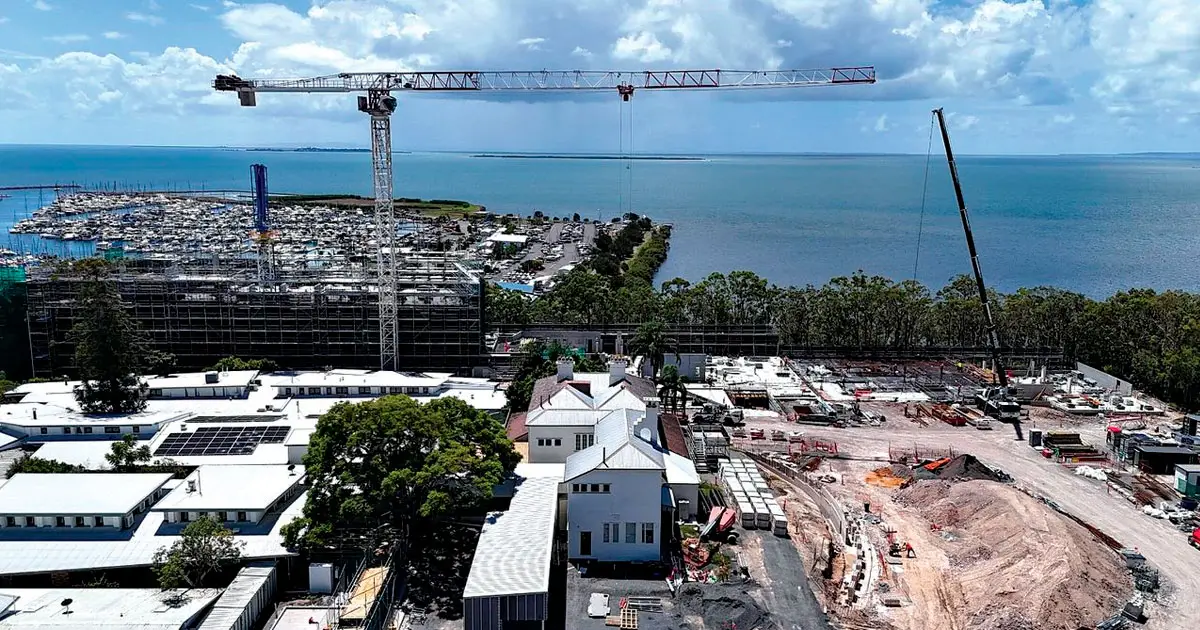
The conflict claims have emerged amid ongoing political and community tension surrounding the long-running Weinam Creek Priority Development Area project.
The site — which includes the ferry terminal servicing the Southern Moreton Bay Islands — has been subject to redevelopment planning for more than a decade, with proposals including a multi-storey car park, retail precinct and supermarket.
The Priority Development Area designation allows development to be fast-tracked under state legislation, a process that has historically attracted community concern about reduced consultation and environmental impacts.
In December 2025, Redland City Council voted to allow an agreement with a private developer to lapse, effectively scrapping the commercial component of the project while continuing to pursue delivery of a multi-storey car park with state government involvement.
The decision triggered significant political fallout, with the State Government criticising the move and community debate intensifying over the future of the precinct and access to promised services.
More recently, councillors and council officers have defended decisions around the project, arguing the changes were aimed at speeding delivery of parking infrastructure and opening waterfront land for community use while keeping options open for future commercial development.
Redland City Council has previously stated conflict-of-interest declarations are managed in line with governance requirements and that development decisions are made by elected councillors rather than council executives.
Mr Bell said attempts to link the CEO to planning decisions reflected a misunderstanding of how council operates.
“Councillors make development decisions — that’s not the CEO’s role,” he said.
Mr Bell said he was particularly concerned about the personal impact of the allegations.
“I don’t like her being dragged into it because I know her to be a really ethical, lovely lady,” he said.
“And to drag my company into it — I just think, what next?”