
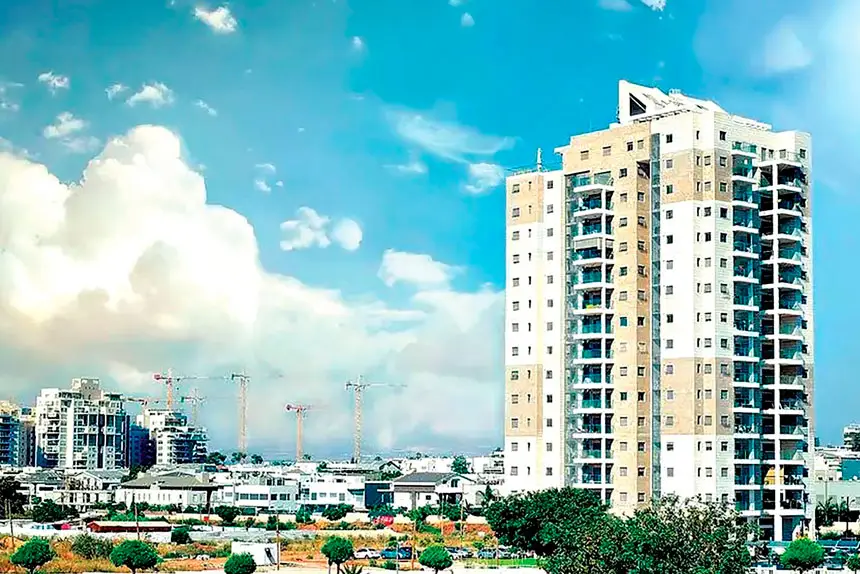
A MAJOR redevelopment plan for Wynnum is facing intensifying political and community scrutiny, with fresh warnings that infrastructure must keep pace as high-rise development edges closer.
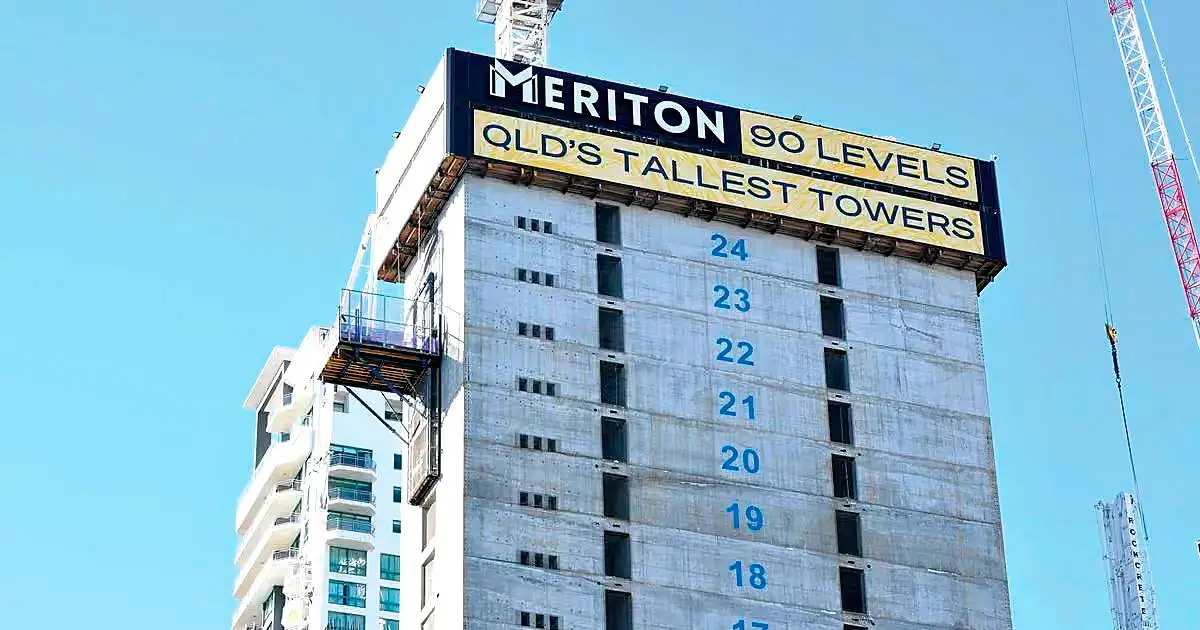
The Wynnum Centre Suburban Renewal Plan, allowing buildings of up to 15 storeys in the CBD, was approved by the State Government on April 14 and will return to Brisbane City Council for formal adoption.
The approval has been welcomed by Council leaders as a pathway to revitalisation, but residents and community groups say key questions remain unanswered.
Opposition Leader Jarrod Cassidy said the backlash reflected broader frustrations.

“After two decades of decline under Brisbane’s LNP Council, residents say that they aren’t getting the infrastructure and services they need today, let alone a decade from now,” he said.
The Wynnum Manly Community Group said it only became aware of the approval through a formal government response.
“Our group became aware of the approval through the Deputy Premier’s formal response to our petition tabled in Parliament and made publicly available,” a spokesperson said.
The milestone had only heightened concern.
“We contacted both State and local government representatives this week seeking clarification on infrastructure delivery and how it would align with the proposed level of growth,” the spokesperson said.
“At this stage, we are awaiting further detail on how infrastructure will be timed, funded, and delivered locally alongside the proposed growth.
Brisbane Civic Cabinet Chair for Planning, Suburban Renewal and Economic Development, Cr Adam Allan, said the plan would transform the Bayside centre while improving lifestyle outcomes.
“Our Wynnum Suburban Precinct Plan won’t just deliver more homes, it will help make the Bayside’s lifestyle even better,” Cr Allan said.
“Revitalising the Wynnum centre will bring more cafes, restaurants and other retail opportunities, along with more apartments for younger buyers and downsizers who want to stay in the area.”
However, the community group said a key issue remained the lack of clear, place-based infrastructure planning for Wynnum itself.
“Wynnum is identified within the planning framework as a ‘Major Centre’, alongside locations such as Chermside, Carindale and Indooroopilly,” the spokesperson said.
“From a local perspective, community discussion often centres on how that designation is reflected in infrastructure at a Wynnum level.
“While the Local Government Infrastructure Plan operates at a city-wide scale, it does not provide detailed visibility on how infrastructure associated with growth in Wynnum is prioritised or delivered locally.”
The group said residents were not necessarily opposing development, but wanted stronger alignment between growth and infrastructure.
“From a planning perspective, the expectations reflected in community feedback is that there is clear sequencing between development and infrastructure delivery with visibility of what infrastructure will be delivered, and when as density increases,” the spokesperson said.
“This includes greater transparency around timing and prioritisation so that infrastructure is aligned with, or ahead of, significant increases in built form.”
Concerns were also raised about how planning rules could be interpreted in practice, particularly around building height.
“Brisbane’s planning scheme includes performance-based assessment which allows proposals to be assessed against broader planning outcomes rather than strict numerical benchmarks alone,” the spokesperson said.
“From a community perspective, this can sometimes lead to outcomes that differ from what may have been expected … including in relation to height, building bulk, site coverage and the extent of open space.”
Despite the concerns, the group said community views remained mixed, with broad acceptance that growth was inevitable.
“A well-planned version of growth for Wynnum is one where development is aligned with the capacity of the area to support it, both now and into the future,” the spokesperson said.
“Growth is part of Wynnum’s future.
“The key consideration raised by the community is how that growth is planned, sequenced and supported over time.”