
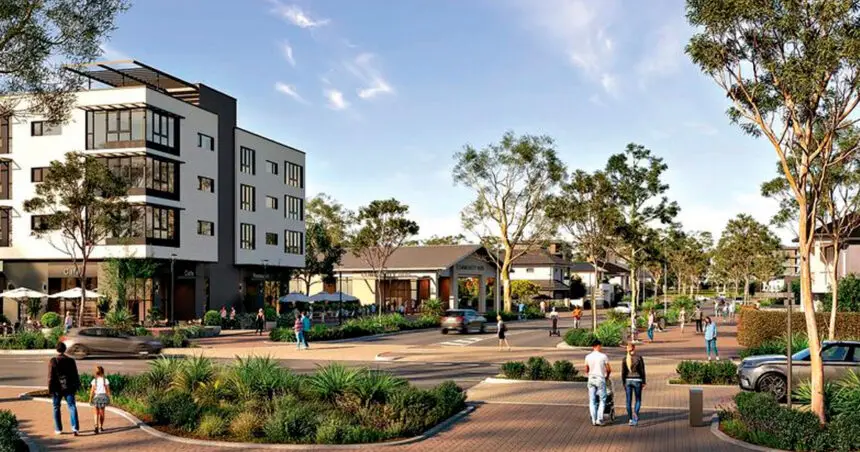
A STATE Government plan for up to 8000 new homes in Southern Thornlands faces major questions over road capacity, wastewater, parkland and the potential cost to existing ratepayers.
The Southern Thornlands Priority Development Area could eventually house about 24,000 people across the 900-hectare site, alongside schools, employment land, community facilities and sporting infrastructure.
But Redland City Council has unanimously endorsed an 18-page submission to Economic Development Queensland, warning key assumptions in the draft development scheme need more work before it is finalised.
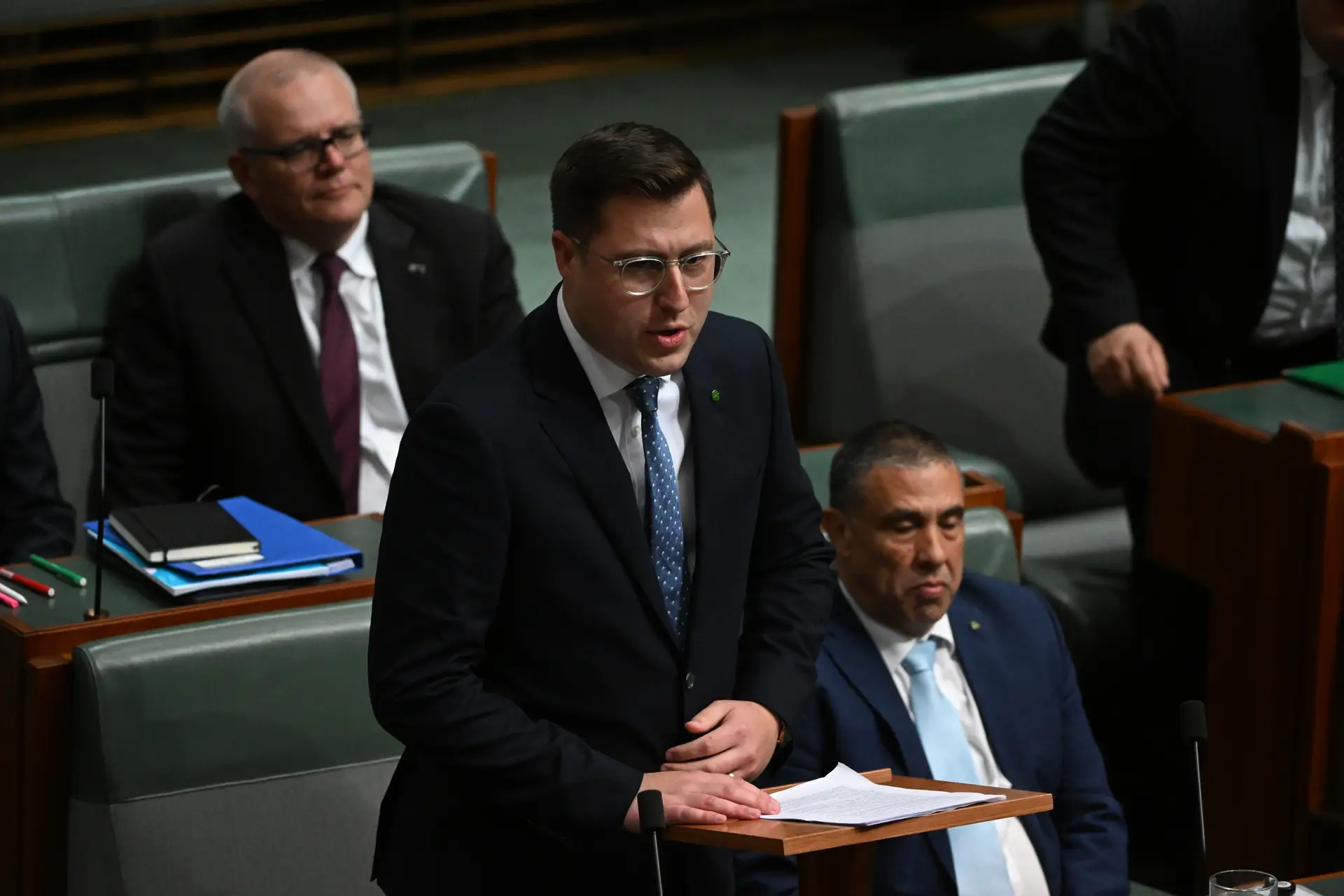
State Member for Redlands Rebecca Young welcomed Council’s submission, saying the consultation period was the time to rigorously test the plan’s detail.

“I have been clear from the beginning that if we are going to accommodate future growth in Southern Thornlands, the infrastructure must come with it – roads, water and sewerage, public and active transport, parks, community facilities and the health and emergency services a growing community needs,” Mrs Young said.
The State Government is targeting October 4 for the final scheme to take effect.
Cr Rowanne McKenzie said Council’s submission covered 22 issues and maintained its longstanding position that infrastructure required for the PDA must be funded by development, rather than current residents.
While she said there was general support for the proposed residential land-use pattern and employment-generating land, further investigations, detailed planning and clarification of responsibility for infrastructure delivery were needed.
Cr McKenzie said Council had concerns that submissions from Council and residents could be properly assessed before the proposed October 4 start date.
A central issue is whether roads within and surrounding the development can handle the future population.
Previous transport investigations identified Springacre and Taylor Roads for duplication, but the draft scheme retains both as two-lane routes without future duplication proposed.
Acting Mayor Julie Talty said this could leave Council with expensive problems later, particularly because Springacre Rd remained under Council control.
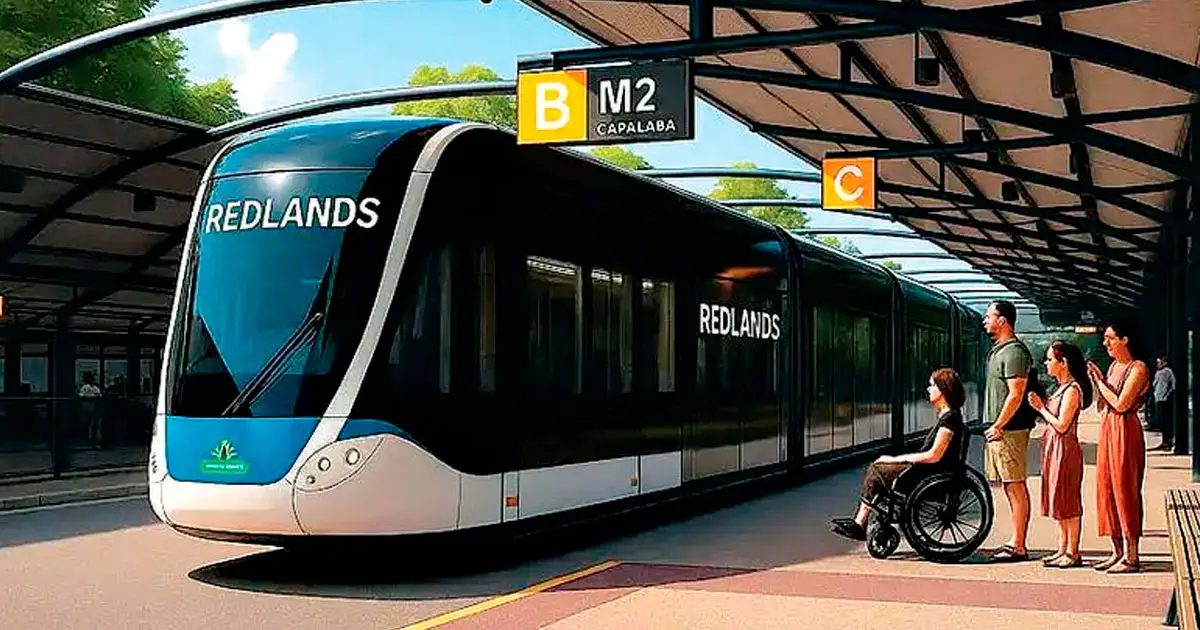
Council says the broader impacts on Mount Cotton, Duncan and Boundary Roads have not been adequately addressed. It has also called for more detail on public and active transport connections.
Mrs Young said she had heard directly from residents concerned about the effects of future growth on existing roads and infrastructure.
“I have raised those concerns through the process.”
Council has also questioned the cost assumptions underpinning the scheme.
The draft development scheme uses a land-acquisition estimate of $750,000 per hectare for infrastructure, compared with Queensland Valuer-General figures indicating average values of about $2.17 million per hectare in the location.
Council has also questioned whether proposed parks and sporting facilities can meet demand.
Other issues raised include protection of wildlife corridors and the lack of identified fauna crossings.