
SIX signatures and a $250 deposit.
For someone seeking to become Mayor of Redland City without the endorsement of a registered political party, those are the two main steps needed to get your name on the ballot paper.
The six signatures must come from eligible Redland electors.
A party-endorsed candidate is nominated by the party’s registered officer.

There are other requirements, of course.
Candidates must be adult Australian citizens, live in the local government area, be enrolled to vote and not be disqualified under the law.
Certain convictions, including some relating to bribery and integrity offences, can disqualify a person, as can circumstances such as undischarged bankruptcy.
Candidates need a dedicated campaign bank account and must generally complete mandatory training, which the Electoral Commission of Queensland says takes about 90 minutes.
Eligible sitting councillors who have already completed the training do not need to repeat it.
No formal qualification is required.
Those rules are designed to keep the door to public office open.
Local government should draw on people from all walks of life, not just those with impressive titles, mediation skills or university degrees.
But when we consider the scale of the job, it is fair to ask whether voters are being given enough information about the people who want to lead our city?
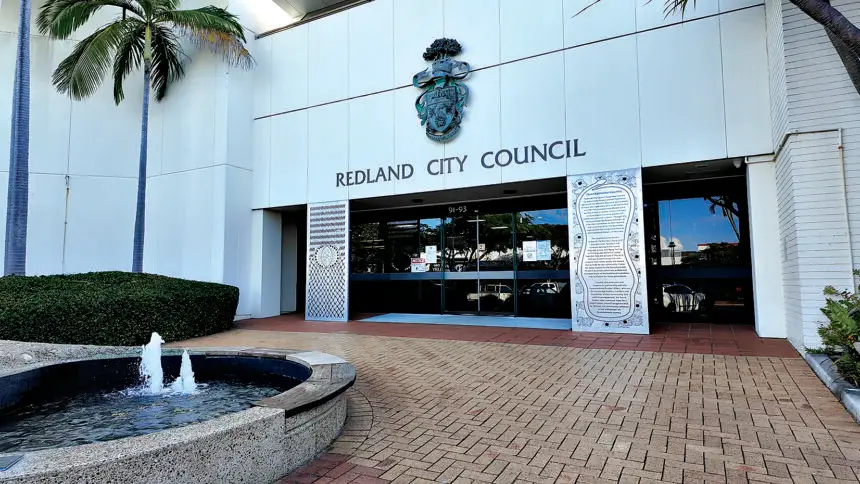
Redland City Council’s revised 2026–27 budget forecasts $468.9 million in operating revenue and includes a $136.2 million capital works program.
Its latest annual financial report puts the value of Council’s assets at about $4 billion.
Those assets include roads, water and wastewater networks, parks, buildings and community facilities.
Of course, the mayor does not manage all of that alone.
Council has a chief executive and professional staff, and the mayor only has one vote at the council table.
But the mayor is also the city’s most prominent elected representative.
A person expected to provide leadership, influence priorities, chair meetings, work with fellow councillors and speak for the community.
It is a position of significant responsibility and public trust.
So how much do we really know about the 12 people seeking the role at the December 12 by-election?
Some candidates have established public records.
Others may be less familiar to voters.
Some like Carrick Thring have been unreachable.
All are entitled to put their case to the community, and all should be prepared for that case to be examined.
What experience do they have in managing people, budgets or organisations?
What qualifications or achievements do they claim, and can they substantiate them?
What political affiliations have they held?
What business interests or other relationships could give rise to a conflict?
Who is supporting their campaign?
There are already disclosure rules.
Candidates must report gifts and loans that reach the $500 threshold, including cumulative amounts from the same donor, and disclose electoral expenditure once their total spending reaches $500.
Much of that information is available through the ECQ.
That is a starting point.
But voters should not have to piece together a candidate’s background from scattered social media posts, campaign material and electoral returns.
There is a case for a clearer, consistent public disclosure process for everyone seeking the mayoralty.
A proper account of relevant employment and qualifications, political affiliations, business interests and potential conflicts.
Where a candidate makes a claim about their professional experience, voters should be able to expect evidence to support it.
The same standard should apply to election promises.
If a candidate says a policy will save millions, where are the figures?
If they promise to cut rates or deliver a major project, what will it cost, where will the money come from, and what approvals will be needed?
A mayor cannot deliver most major promises with a wave of the hand.
They may need the support of other councillors, a budget allocation, legal approval or funding from another level of government.
A good slogan is not a business case.
There should also be a serious discussion about whether Queensland’s nomination process needs independent, proportionate background checks to verify eligibility and examine serious convictions relevant to public office.
That would need clear rules, privacy protections and a right of review.
Spent-conviction laws must be respected, and an unproven allegation should never be treated as a conviction.
A minor mistake decades ago does not automatically make someone unfit to serve.
Nor should an undefined test of “good character” be used to keep political outsiders off the ballot.
The final choice of who is best suited to lead belongs to voters.
A clean record alone cannot guarantee honesty, just as a degree cannot guarantee good judgment.
But voters should have reliable information on which to make their decision.
As ballot papers arrive across Redlands this week, every candidate should have the opportunity to answer the same reasonable questions and provide evidence for the claims they make.
Putting your name forward is a democratic right.
Asking for the public’s trust should also carry a responsibility to be open about why you deserve it.