
FOR rural Queenslanders facing blood cancer, the hundreds of kilometres between their hospital and a specialist laboratory have sometimes meant vital samples arrived too late to be tested, leaving doctors without genetic information needed to guide treatment.
New technology introduced by Pathology Queensland is helping overcome that barrier, allowing samples from patients with multiple myeloma to be accurately tested up to five days after collection, while giving clinicians faster and more detailed information about the disease.
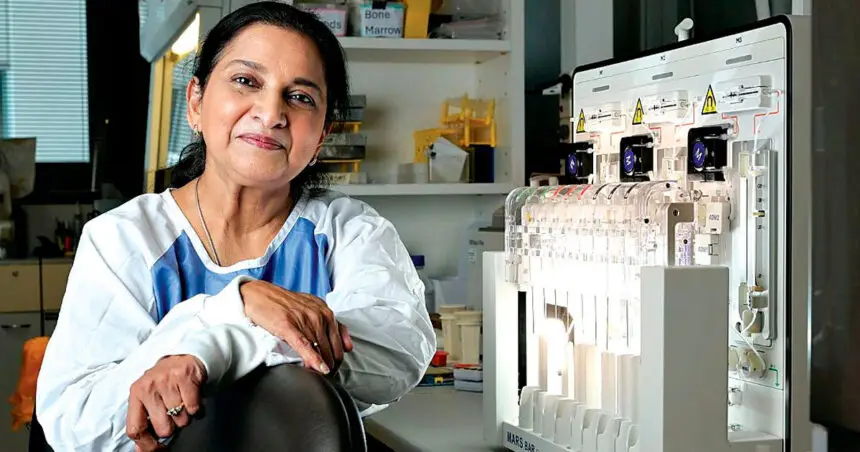
Queensland patients are among the first in the world to benefit from the Multi-physics Automated Reconfigurable Separation system, known as MARS, which Queensland Health says has already supported more than 100 patients across the State and more than tripled the speed of diagnosis.
Its significance is particularly clear outside metropolitan areas, where transporting samples to a central laboratory can take longer than the cells remain suitable for conventional testing.

Multiple myeloma is an incurable but treatable cancer of plasma cells in the bone marrow, where abnormal cells multiply, crowd out healthy cells and produce harmful proteins that can damage organs.
Queensland recorded 2855 cases between 2019 and 2023, averaging about 570 diagnoses a year, with the disease more common in men and its incidence increasing with age.
Understanding the genetic abnormalities within those cancer cells helps doctors assess the disease and decide how to treat it, making reliable access to testing especially important for patients living far from specialist laboratories.
Previously, transport times exceeding 24 hours could leave some samples unusable because plasma cells do not survive long outside the bone marrow.
The new system separates and concentrates those cells, enabling accurate testing even when a sample has spent several days in transit.
Pathology Queensland Genomics Principal Chief Scientist Adayapalam Nandini said the system could identify genetic abnormalities in samples with a much smaller proportion of affected cells than previous methods.
“With previous testing methods, if a patient had a 10 per cent disease burden, we would be confident that we’d get an accurate result,” Dr Nandini said.
“Now we are down to one per cent, which is such a big difference.
“In the cases we’ve done to date, we have detected abnormalities in a lot more patients, which means they’ve been able to receive targeted therapies sooner.”