
David Crisafulli:
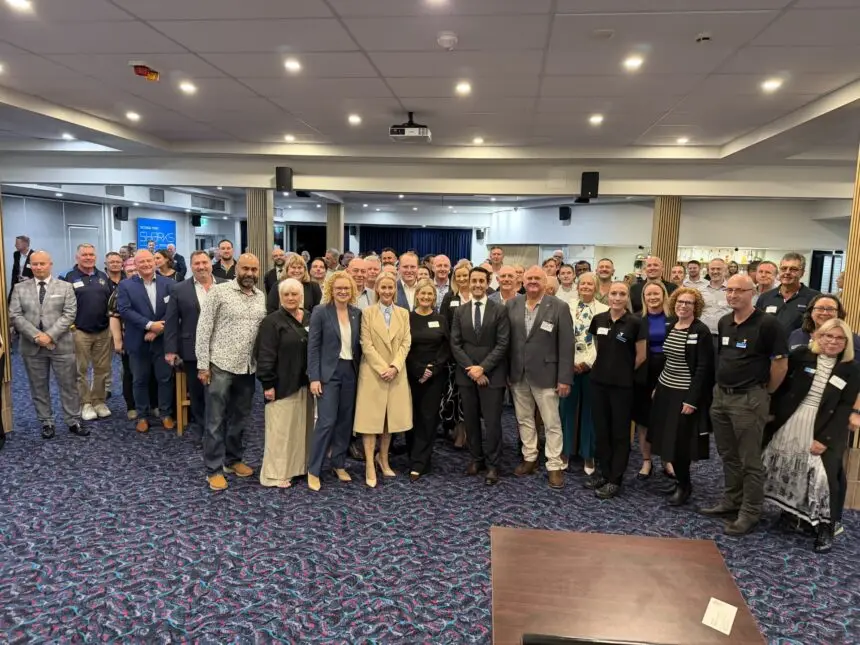
To Russell (Field), and then Rebecca (Young) and Amanda (Stoker)— thank you. One of the things I found really refreshing this evening is the feedback I’ve received about the three of you, both from being out with small family businesses today and from people in the room tonight.
I want to acknowledge my colleagues this evening — you’re doing a tremendous job. Thank you. To the Deputy Premier and Cabinet, thank you for staying on. It’s been a big day — a great day — and there will be more to do tomorrow.
I also want to acknowledge the Directors-General and the Police Commissioner who are here. Government is about making sure we deliver on what we say we will do. Having senior public servants here in the region sends a clear message — we are open for business.
We want things to happen. We want strong follow-through. Good decision-making means elected officials and the bureaucracy working together to fulfil the promises we make. That’s why it’s important they are here tonight.

I’ll also recognise Damien Walker, Director-General of Premier and Employment, who is here in the middle — feel free to speak with him later if you need anything.
I’ll make some observations about the local area, then talk about the state more broadly. I will address challenges, because there are many. I know many of you are dealing with regulation and rising costs.
But locally, there are also strong opportunities. Your three local members are delivering on what they said they would do.
We spoke a lot about health before the election. I often pointed to Redland Hospital as an example of a growing region with a hospital that wasn’t keeping pace.
Ambulance ramping reached 72.7 per cent in Redlands — effectively three out of four ambulances were waiting longer than recommended. We still have a long way to go, but the latest figures have improved to 50 per cent. That means one in four people who previously weren’t being seen are now receiving care.
The elective surgery waitlist was at 1200 — it has fallen to about 1040, a reduction of around 15 per cent. That’s still far too high, but it is moving in the right direction.
We’ve achieved this by empowering staff to make decisions. We’re investing in improvements such as the transit lounge and an MRI to ensure people can receive care locally.
On youth crime, every investment we make is focused on breaking the cycle. Early intervention, rehabilitation, and strong laws all have a role. Consequences must exist — without balance, the system does not work.
In 2025, for the first time in a decade, the number of victims in Queensland fell — down 7.2 per cent. That follows a 193 per cent increase over the previous 10 years. It shows we are beginning to turn the corner.
Housing is another key issue. We are working in partnership with councils to deliver outcomes. We want people to be able to own a home, afford to rent, and ensure vulnerable Queenslanders have access to social housing where they live.
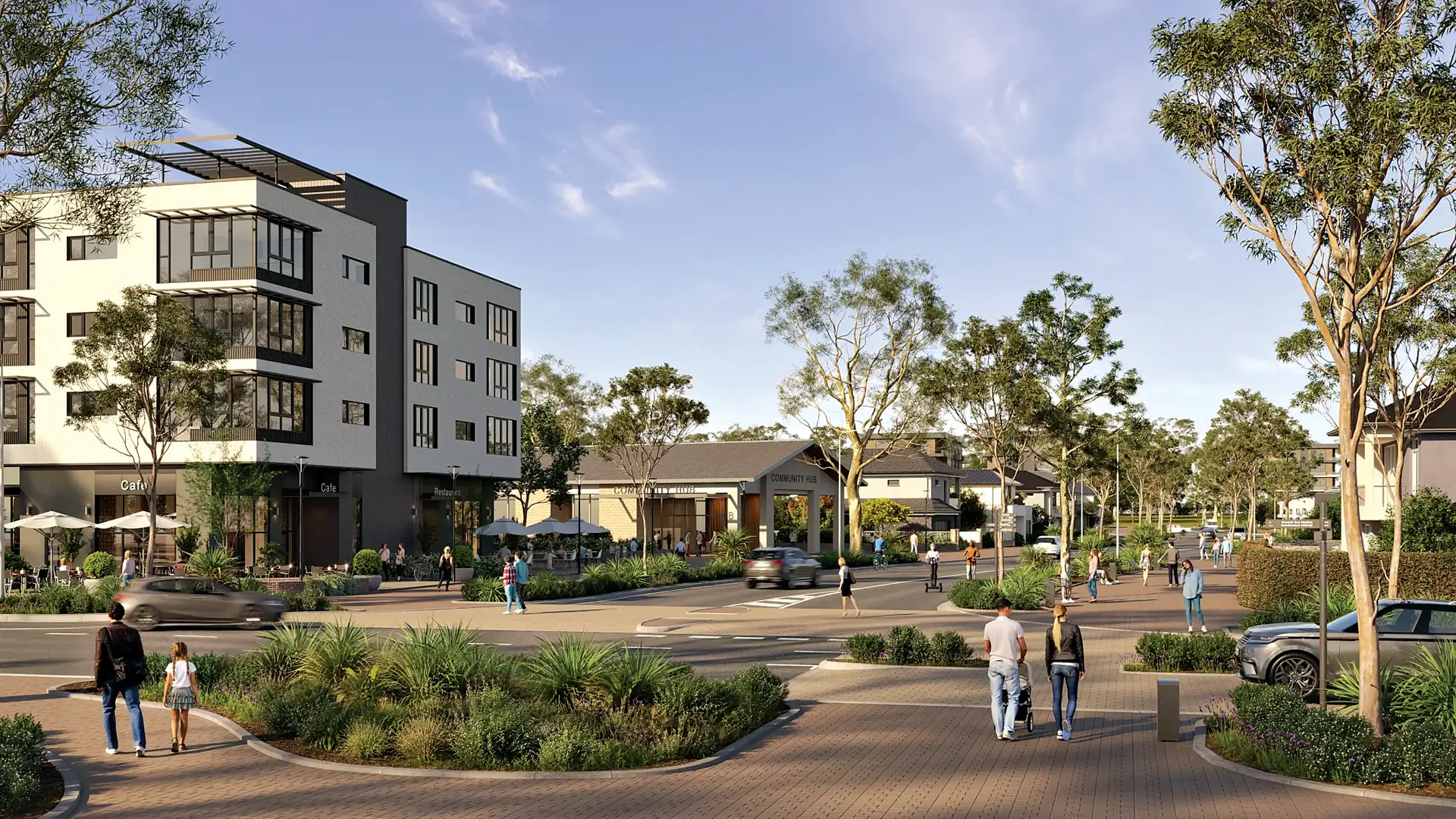
We’ve introduced the Residential Activation Fund to support councils in delivering trunk infrastructure so growth does not come at the expense of lifestyle.
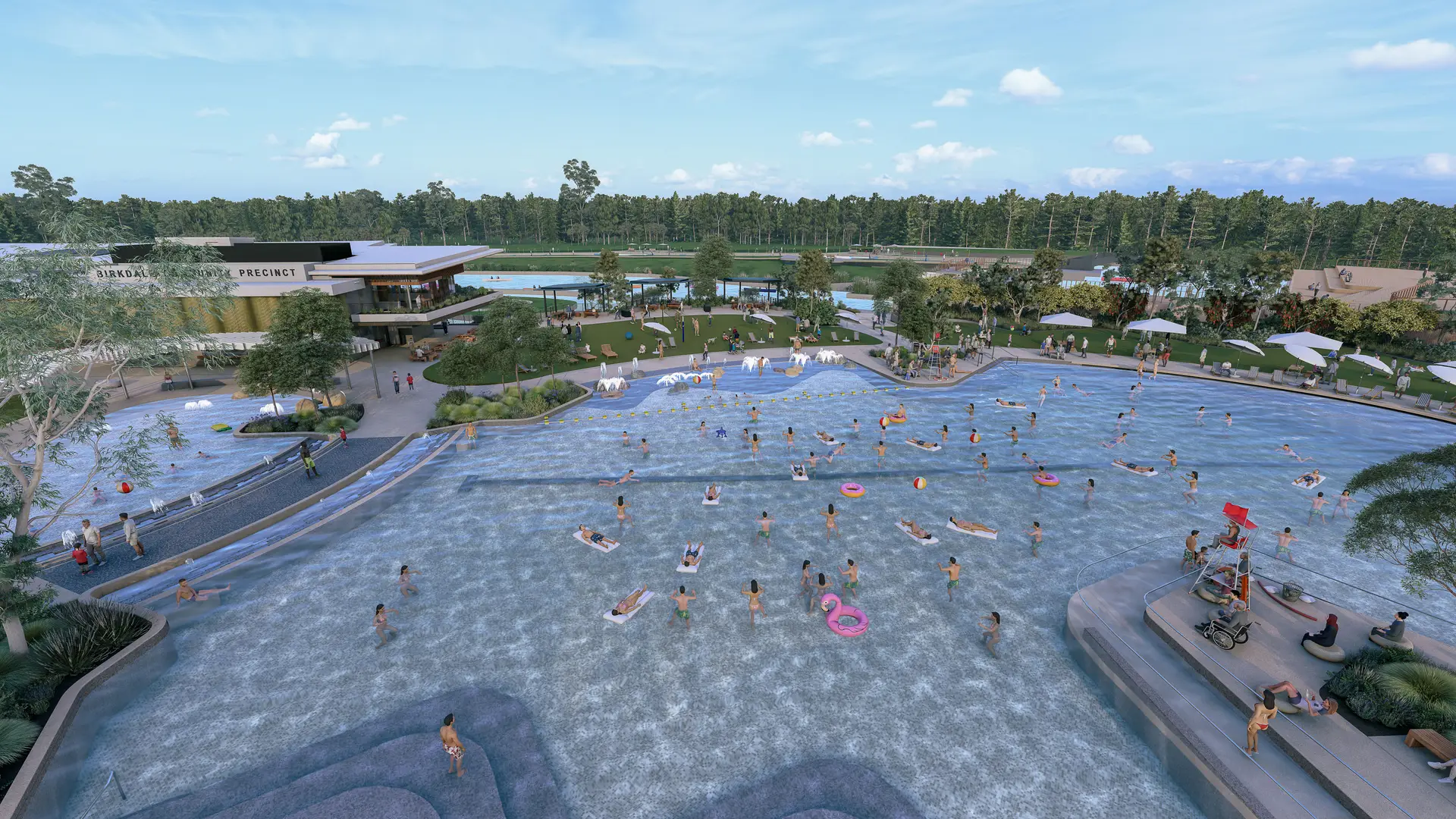
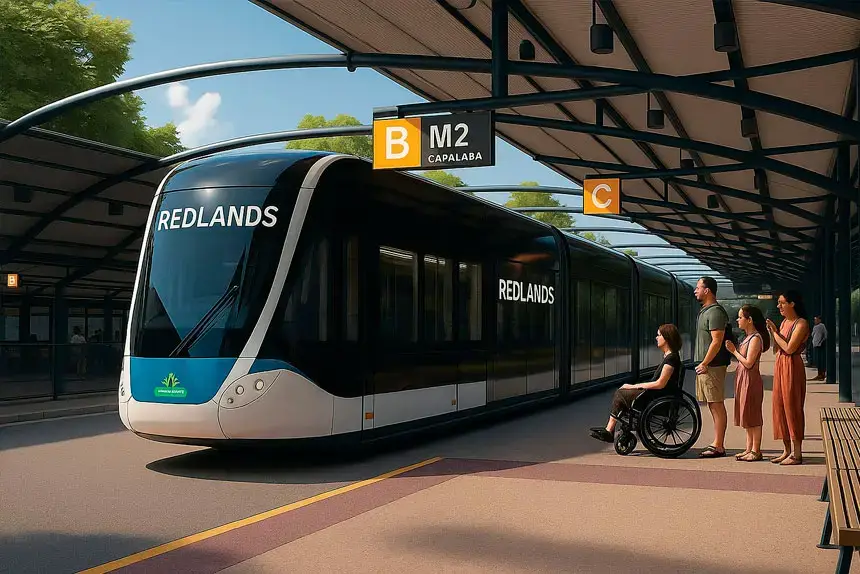
This region has a strong point of difference. Investments such as Weinam Creek are about ensuring connectivity and livability. Redlands should not become a reflection of Brisbane — it should maintain its own identity.
At a state level, I have never been more optimistic about Queensland’s future. The fundamentals are strong, and we are on the cusp of something significant.
Tourism — including eco-tourism — is a major opportunity. We are working toward 45 new eco-tourism projects. We are also determined to remain the events capital of the nation. With the 2032 Olympic and Paralympic Games approaching, the world’s attention will be on us.
We must also strengthen traditional industries like agriculture and mining while preparing for the future. That includes education and training.
We visited TAFE today and saw strong investment and opportunity. Apprenticeship completion rates are the highest they have been in years, showing more young people are recognising the value of a trade.
However, there is a major challenge — fuel security. Speaking with people in the transport industry tonight, the level of uncertainty is clear, and it is real.
Australia sits at the end of a global supply chain. We must prepare for the worst while hoping for the best.
In the short term, we will work with the Federal Government on support packages if needed. In the medium term, we must increase fuel storage capacity. In the long term, we must secure fuel sovereignty.
Queensland has the resources, particularly in the southwest, but regulatory barriers need to be addressed. We want to ensure Australia can control its own destiny and is not reliant on overseas supply during times of crisis.
We have already committed not to benefit from increased GST revenue driven by higher fuel prices.
On electricity, businesses will soon see relief. Draft pricing indicates a reduction of around 11 per cent for businesses and 10 per cent for households — the largest reduction in the scheme’s history. We will work to ensure those savings are passed on.
Our approach is simple — less regulation, not more. That principle guides our decisions.
I know the pressures businesses are under. But Queensland is in a strong position. The fundamentals are sound, and the opportunities ahead are significant.
We are on the cusp of something special.
Thank you for the work you do every day. Thank you for supporting your local members. And above all, thank you for being Queenslanders.
There has never been a better time to be one.
Thank you.