
THE long-running push to transform Toondah Harbour has ended abruptly with Walker Corporation confirming it is walking away from the project after more than a decade at the centre of one of Queensland’s most contentious waterfront developments.
Walker confirmed the redevelopment “will not be proceeding any further”, saying that under the project’s Development Agreement, “Federal environmental approval obligations” could not be met within the required timeframes and “the approval milestones were unable to be achieved”.
The company said that despite the efforts of all parties, “achieving the milestones was no longer possible”.
The decision closes a chapter that began with bold plans for a major mixed-use precinct and evolved into a prolonged battle over environmental protection, planning laws and the future of Redlands Coast’s most sensitive coastal site.

Walker was appointed preferred development partner in 2014 after the Queensland Government declared Toondah Harbour a Priority Development Area the year before, formally entering into a Development Agreement with the State and Redland City Council in 2015.
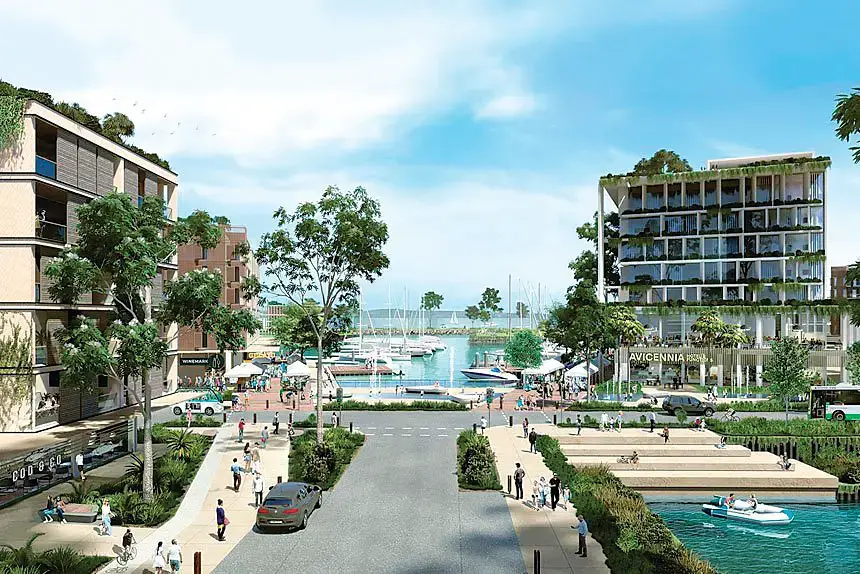
The initial vision promised to revitalise the harbour with a mix of residential, retail and tourism use alongside major infrastructure upgrades, including a new ferry terminal and expanded public facilities.
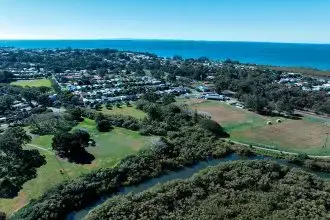
Over time, the proposal grew into a $1.4 billion project featuring up to 3600 dwellings, with parts of the development extending into Ramsar-listed wetlands in Moreton Bay.
From its earliest stages, the project faced fierce opposition due to its location within internationally protected wetlands and habitat for migratory shorebirds, marine life and koalas.
Federal assessment under the Environment Protection and Biodiversity Conservation Act became the defining hurdle.
Walker lodged multiple referrals between 2015 and 2018, eventually progressing to a full Environmental Impact Statement process, with a draft released for public consultation in late 2022.
Despite revisions and attempts to address environmental concerns, the project struggled to overcome regulatory and community resistance.
In April 2024, Environment Minister Tanya Plibersek announced a proposed refusal of the development due to “unacceptable environmental impacts”.
Walker withdrew its application days later.
In the wake of that setback, Walker began developing a revised concept — a smaller, land-based proposal confined to the existing port footprint.
The scaled-back plan aimed to deliver a modernised harbour, improved public amenities and up to 900 dwellings, while protecting G.J. Walter Park and avoiding encroachment into sensitive wetlands.
The revised approach gained early support from Redland City councillors at a private briefing and sections of the business community, with proponents arguing it struck a better balance between development and environmental protection.
But the concept never progressed to formal approvals.
Walker said its “vision and ambition for the revitalised Toondah Harbour redevelopment was well received” by both the Queensland Government and Redland City Council, but ultimately could not proceed.
The company also used the announcement to reaffirm its broader Queensland focus, saying it would continue directing “investment and resources toward priority projects across the State where it has an $8 billion project pipeline with strong momentum in the lead-up to the 2032 Olympic and Paralympic Games”.
Walker pointed to major projects including the Maroochydore City Centre, the Sunshine Coast Arena and 2032 Athletes Village, Citiswich Business Park and developments on the Gold Coast.
In closing, the company thanked “the Queensland Government, Economic Development Queensland (EDQ), Redland Investment Corporation, Redland City Council, and the Redlands community for their support and engagement through the life of the project”.
Walker said it remained “strongly committed to Queensland” and would continue “shaping vibrant, sustainable communities across the state”.
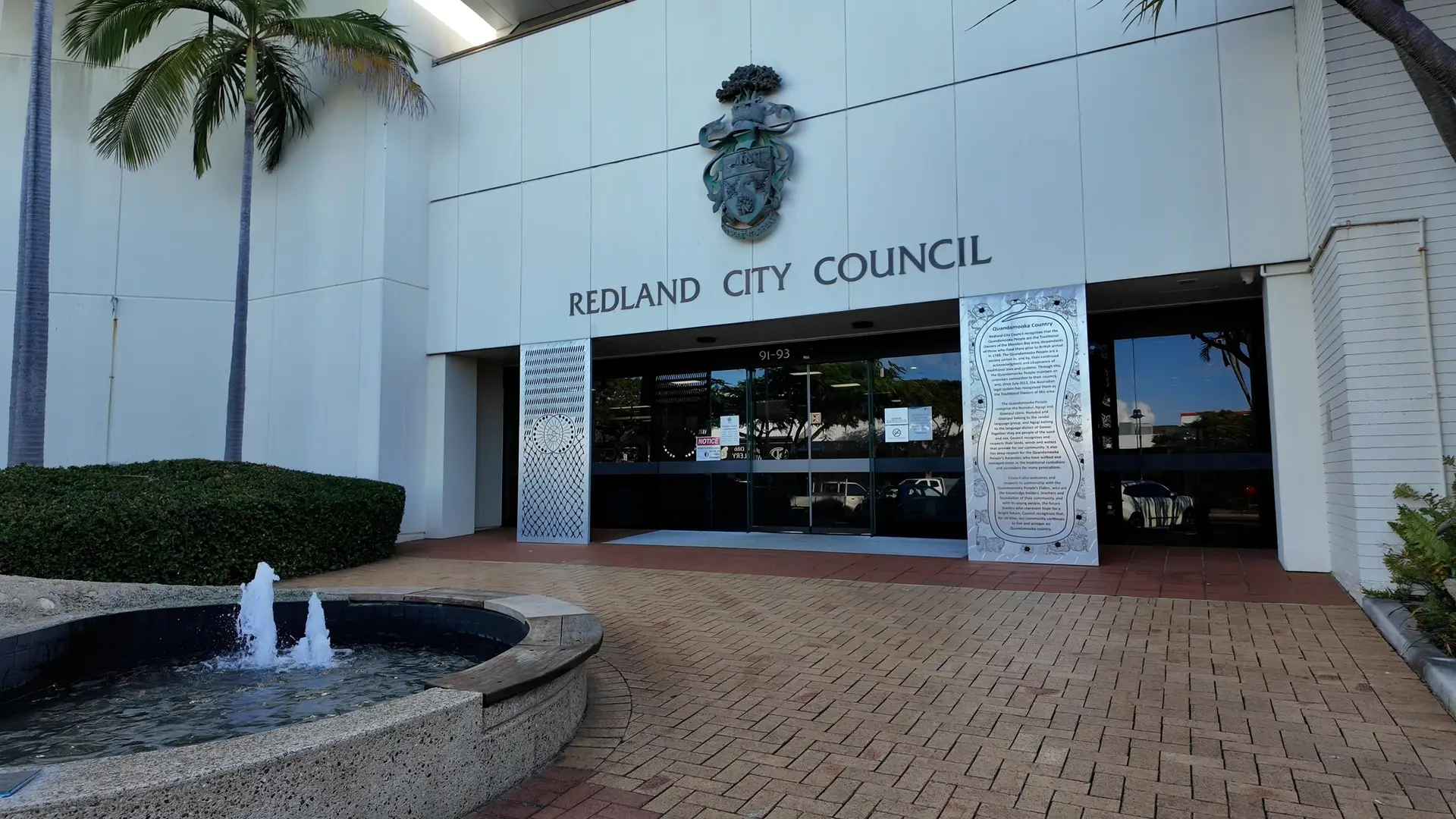
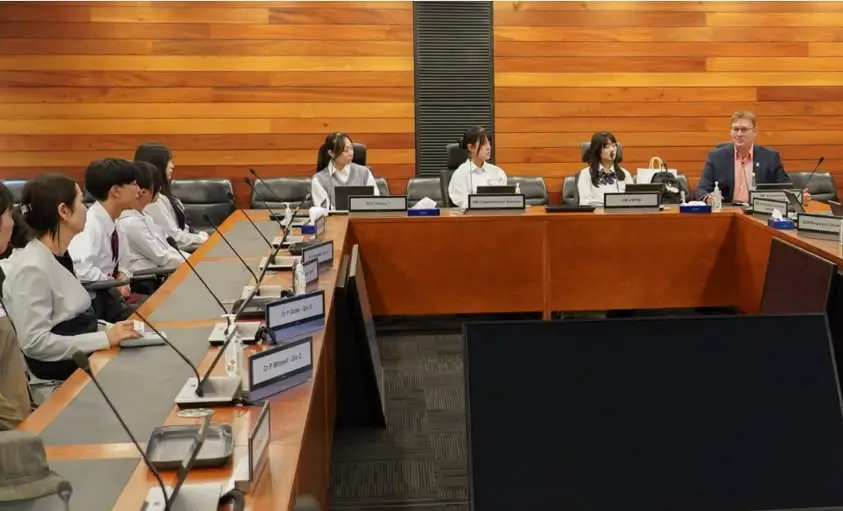
Redland City Council acknowledged the withdrawal, with Mayor Jos Mitchell saying while the outcome was not what had been anticipated, Council respected the commercial realities behind the decision.
“Council recognises the community’s interest in this major project and will continue working with the Queensland Government, as the majority landowner within the precinct, to consider next steps for this crucial maritime link between the mainland and North Stradbroke Island (Minjerribah),” the Mayor said.
“This includes working to ensure that any future development of the site delivers positive outcomes for the city.
“Walker Group was selected as the development partner for Toondah Harbour following an extensive expression of interest process and entered into a Development Agreement with Council and the Queensland Government in 2015.
“On behalf of Council, I would like to thank the Walker Group team for their significant time and investment in our community.”
Mayor Mitchell said Toondah Harbour, as the gateway to the world’s second largest sand island, was long overdue for an upgrade.
“In such a complex precinct with multiple landowners, including Council, the Queensland Government and private property owners, plus significant environmental considerations, we look forward to working collaboratively with all stakeholders for a solution to providing a rejuvenated marine facility that meets our growing city’s needs,” she said.
Redland Investment Corporation CEO Cameron McColl also thanked Walker Group for its involvement.
“We recognise their significant contribution to major infrastructure projects across Queensland and wish them well in all their future endeavours,” he said.
Walker’s decision to walk away entirely now leaves the future of Toondah Harbour uncertain.
The Priority Development Area remains in place, but without its long-standing private sector partner, the pathway to redevelopment is unclear.
Redland City Council has consistently maintained that the harbour — the main ferry gateway to North Stradbroke Island/Minjerribah — requires significant upgrades, particularly to improve transport infrastructure, parking and public access.
The Toondah Harbour saga stretches back far beyond Walker’s involvement.
Plans for development in the area date to the mid-20th century, with major proposals emerging in the 1980s before being halted by community opposition.
Environmental protections introduced in the 1990s, including Ramsar listing of Moreton Bay wetlands, added further complexity to any future development.
Walker’s involvement, however, brought the issue into sharp focus, turning Toondah into a national test case for balancing coastal development with environmental obligations.
For supporters, the project represented a missed opportunity to modernise critical infrastructure and unlock economic growth.
For opponents, its collapse is a vindication of long-standing concerns about building on protected wetlands.
After more than 10 years of planning, lobbying, assessments and community debate, Walker’s exit marks the end of the most significant attempt yet to reshape Toondah Harbour.
What replaces it — whether a smaller redevelopment, government-led upgrade or a complete rethink — remains the next question for Redlands Coast.