
These are the words I have been embracing over recent times. They are from my Aunty, Kath Walker, a name synonymous with the rich tapestry of Indigenous Australian literature. Kath’s words continue to captivate readers through her evocative poetry and impassioned advocacy for Indigenous rights. Known by her traditional name, Oodgeroo Noonuccal, her legacy as a poet, activist, and educator endures, inspiring generations to embrace the beauty and resilience of Aboriginal culture. The electorate of Oodgeroo is named in honour of her.
Born on Minjerribah (North Stradbroke Island) in 1920, Oodgeroo Noonuccal emerged as a prominent figure in the Australian literary landscape during the mid-20th century. Her early works, including “We Are Going” (1964) and “The Dawn is at Hand” (1966), provided a poignant and unapologetic voice to the struggles and aspirations of Indigenous Australians.
In addition to her literary contributions, Oodgeroo Noonuccal played a pivotal role in the advancement of Indigenous rights, advocating for land rights, education, and equality. She played a strong role in the 1967 Referendum. Her efforts helped pave the way for the broader recognition of Indigenous rights in Australia and these contributions earned her status as a a national treasure. Her amazing life included meeting Prime Ministers, engaging with terrorists on a plane flight, and a memorable visit to China. Her artworks are in the National Gallery, and there are plays written about her. In her latter days she transformed her home at Moongalba on Minjerribah into an education camp for thousands of students and visitors. Without doubt there needs to be a statue in her honour, and a film of her extraordinary life and positive impact on bringing people together.
Today, Oodgeroo Noonuccal’s poetry continues to resonate with readers worldwide, offering a profound insight into the complexities of Australian history and culture. My daughter, along with many other students, learn about Aunty Oodgeroo in the school curriculum. Her powerful words serve as a reminder of the ongoing journey towards reconciliation and understanding between Indigenous and non-Indigenous Australians. Her legacy inspires me, a descendant of the same ancestral line, to continue to advocate for social justice, tolerance, peace and protection of our environment.

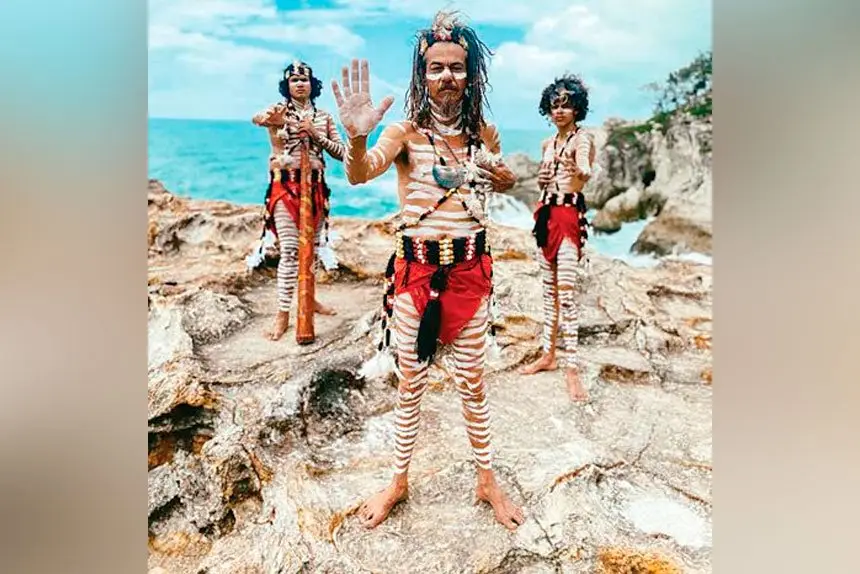
Her legacy is alive through her grandchildren and great grandchildren who continue as the next generations of storytellers, celebrating culture through song and dance and educating visitors to Quandamooka Country.
As we all continue to celebrate the enduring legacy of Oodgeroo Noonuccal, let us reflect on her words from her poem a Song of Hope
To our fathers fathers, the pain the sorrow
To our children’s children, a glad tomorrow”
These words resonate with all people, regardless of race and colour. In honouring her memory, we acknowledge the profound impact of her poetry and activism, which continues to shape our understanding of Australia’s past, present, and future.