
Redlands residents are being promised fairy lights, falling snow, glowing wildlife and a reindeer display this Christmas.
It sounds enchanting. And the new Enchanted Christmas Garden at IndigiScapes may well become a family favourite.
But tucked at the very bottom of Council’s media release announcing that paid attraction was another piece of news.
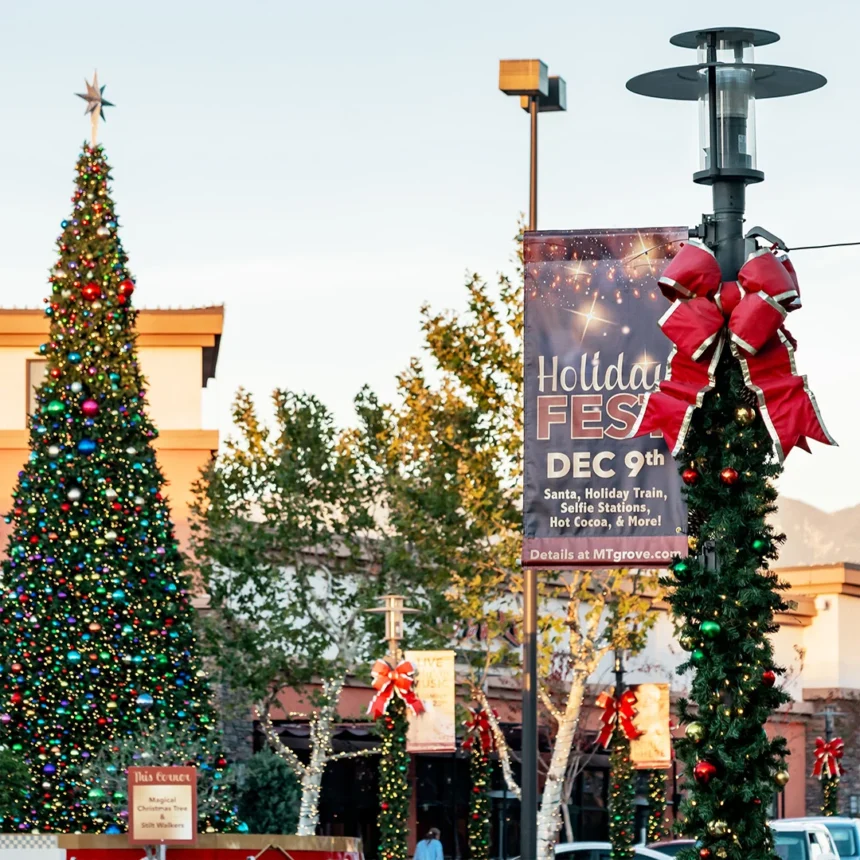
Christmas street banners have been cut.

The announcement was sent at 2pm on a Friday afternoon — a time journalists have long called “take out the trash” time, when unwelcome news can be released just before the weekend and attract less scrutiny.
Whether that was Council’s intention or not, the presentation invites the question.
If cutting Christmas banners is a straightforward and widely supported decision, why was it not announced clearly and separately?
Council says rising costs forced the decision and that banner funding has been redirected to other Christmas experiences.
That may be a sensible budget call.
There will still be free carols, Santa photos, the Lighting of the Christmas Tree and lighting displays at five locations.
But there is an uncomfortable trade-off.
While Council promotes a ticketed garden costing up to $10 per person, it has removed a simple, free and highly visible festive tradition from streets across the city.
Street banners are not glamorous.
They do not make smoke, snow or social-media-ready reels.
But they are shared.
They tell children heading home from school, shoppers on their way through local villages and older residents walking their neighbourhood that Christmas has arrived.
A ticketed garden cannot fully replace that.
Other Australian councils have found that cutting familiar Christmas traditions can provoke a powerful reaction.
In Victoria, Glenelg Shire Council considered cutting the $30,000 cost of decorating Portland’s main Christmas tree, calling it unsustainable.
An online petition and social-media backlash followed — and Council reversed course.
On NSW’s Mid North Coast, MidCoast Council moved away from funding Christmas light displays, citing rising costs and a lack of specialist expertise.
When Forster’s final Council-managed tree was heavily criticised, more than 200 residents and small-business owners formed their own group to fund and design future decorations.
In Adelaide, Mitcham Council’s plan to scale back a $45,000 Christmas carols event over cost concerns triggered such a strong public response that the council agreed to reconsider.
These cases do not mean every decoration must be retained forever, nor that ratepayers should bankroll every festive whim.
But they show councils can underestimate how much residents value modest, accessible traditions.
This is not really about banners.
It is about whether public celebrations remain public and whether inconvenient decisions are explained openly.
Redlands Council should publish the cost of the banner program, the savings achieved by removing it and exactly where the reallocated funding will go.
It should also explain how people who cannot afford tickets, or cannot easily travel to IndigiScapes, will still feel included in Christmas on the Redlands Coast.
Council has said banner funding is being redirected to “other Christmas experiences”; it has not specifically said the money is paying for the Enchanted Christmas Garden.
The public deserves that distinction and a clearer explanation than a line buried beneath an announcement about fairy lights.
The garden may be wonderful. But Christmas should not belong only to those who can buy their way in.