



Redland City Council will consider a new strategy aimed at improving water quality, controlling weeds and boosting the environmental health of dozens of artificial lakes and dams across the city.
The proposal, set to be discussed at next week’s council meeting, outlines a prioritised management approach for more than 250 artificial waterbodies located in parks, reserves and stormwater systems across the Redlands.
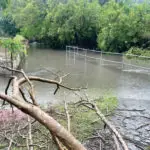
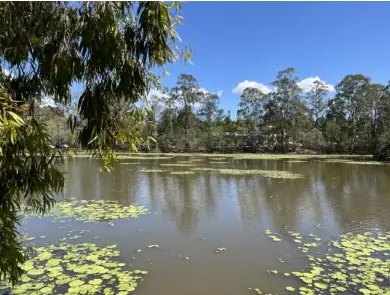
Council officers say the plan has been developed following ongoing concerns about water quality, vegetation and odour issues at the Mount Cotton Community Park dams, where residents previously reported foul smells, excessive plant growth and fish deaths.
Investigations found the problems were largely caused by a combination of factors including algae blooms, excess nutrients entering the dam via stormwater, and nesting colonies of Australian white ibis.

Fish deaths were also linked to low oxygen levels caused by vegetation cover, limited water flow and high water temperatures.
Council has already trialled several mitigation measures at the Mount Cotton site including water sampling, vegetation treatment, probiotic blocks to improve oxygen levels, and an ibis management program involving egg and nest removal.
According to the report, the most recent monitoring shows improvements in several water quality indicators including better water clarity and reduced levels of blue-green algae.
However, nutrient levels remain elevated, partly due to the return of the ibis colony to the lake island after the birds temporarily left during ex-Tropical Cyclone Alfred.
Council currently manages artificial waterbodies through a range of scattered programs including weed control, litter removal, revegetation projects, water quality monitoring and ibis population management.
But officers say a more coordinated and prioritised approach is needed to better manage emerging issues and high-profile locations.
The report notes there are more than 250 artificial waterbodies across the city, forming over 140 systems and covering more than 530,000 square metres.
Under the proposed approach, council would focus first on 17 higher-priority systems identified through earlier studies and community interest.
From these, eight high-profile waterbody systems covering more than 200,000 square metres have been selected for a proposed one-year trial of enhanced management.
These sites include waterbodies at:
• Corner of Redland Bay Road and Lakeside Drive
• Capalaba Regional Park
• Mount Cotton Community Park
• Sovereign Waters at Allan Day Drive
• EGW Wood sports fields
• Creekwood Street
• Crystal Waters
• Egret Colony Wetlands
If approved, the trial would introduce a more intensive management regime including bi-monthly inspections, regular water quality testing, increased litter collection, pest fish removal, weed control and continued ibis management.
Other measures could include maintaining open water areas, installing probiotic blocks to improve oxygen levels and responding quickly to fish kills.
Council officers say the trial would help determine long-term resourcing and funding requirements before deciding whether to permanently adopt the expanded program.
The report also recommends auditing all artificial waterbodies to ensure they are properly recorded as council assets and investigating longer-term solutions such as aeration systems or sediment removal where water quality issues persist.
Another proposal is to develop a public online platform allowing residents to view information about the management of key artificial waterbodies across the city.
Officers say better management of these lakes and dams could deliver significant environmental and social benefits including improved water quality, enhanced wildlife habitat, reduced flood risks and cooler urban environments.
However, the expanded management program would require additional funding and is currently unfunded within council’s existing City Operations budget.
Councillors will be asked to consider allocating funding for the one-year trial as part of the 2026-27 budget process.