



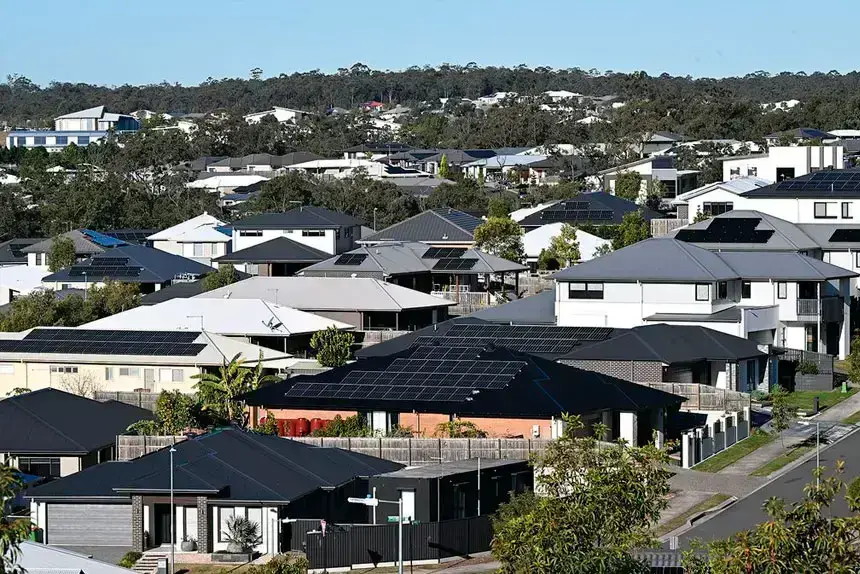
BRISBANE’s property landscape has transformed dramatically over the past three decades, with some suburbs now requiring deep pockets that would have seemed unimaginable in the 1990s.
Exclusive PropTrack analysis reveals that Brisbane’s top-performing suburbs have seen home prices surge up to 18 times higher than 30 years ago, reflecting one of the strongest long-term growth patterns in the nation.
Leading the pack is New Beith, an acreage suburb in Greater Brisbane, where the median home price now sits at $1.268 million – an 18.1-fold increase since 1995.
Flagstone follows closely, with prices jumping 17.2 times to $880,000, while Russell Island and Regency Downs have experienced 17.1-fold growth, with median homes now valued at $436,000 and $802,000 respectively.

“Bricks and mortar is always a sound investment, and over the long term, time is on your side,” said Savva Koulouris, lead agent at Place Woolloongabba.
He noted that while markets have faced challenges such as the 2007 Global Financial Crisis and early Covid-related dips, year-on-year growth has generally prevailed, often surprising long-term homeowners.
PropTrack data shows Brisbane’s median house price has more than doubled in the past decade, rising from $481,000 to $1.126 million. REA Group economist Angus Moore attributed much of the city’s long-term growth to shifts in supply and demand, interstate migration, and the affordability of South East Queensland markets, particularly Ipswich and Logan.
“People want to live in Queensland, and when housing is affordable, price growth tends to follow,” Mr Moore said.
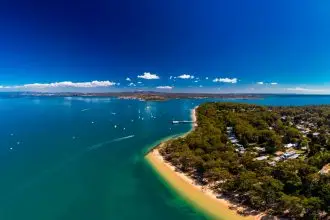
On the Bay Islands, high growth has been more recent, with Russell and Macleay Islands recording strong price increases in the past decade despite limited infrastructure.
Bay Islands Property Principal Chris McGregor, said the islands’ population had more than doubled over 15 years, reflecting the surge in demand and rising home prices.
The Gold Coast has seen similar patterns, with suburbs such as Pacific Pines, Reedy Creek, and Ormeau Hills posting 14 to 15.6-fold increases in home prices over 30 years.
Mr Moore noted that while these areas have experienced extraordinary growth, the largest structural changes – including a major decline in interest rates – have already occurred, making similar gains in the next 30 years unlikely.
The analysis also highlights the declining interest rates. Australia’s cash rate has fallen from 17.5 per cent in 1990 to 3.6 per cent today.
For Brisbane buyers, investors, and homeowners, the report underscores the remarkable wealth-creating potential of property over the long term. It also serves as a reminder that suburbs once considered “affordable” can, over decades, become some of the city’s most prized addresses.