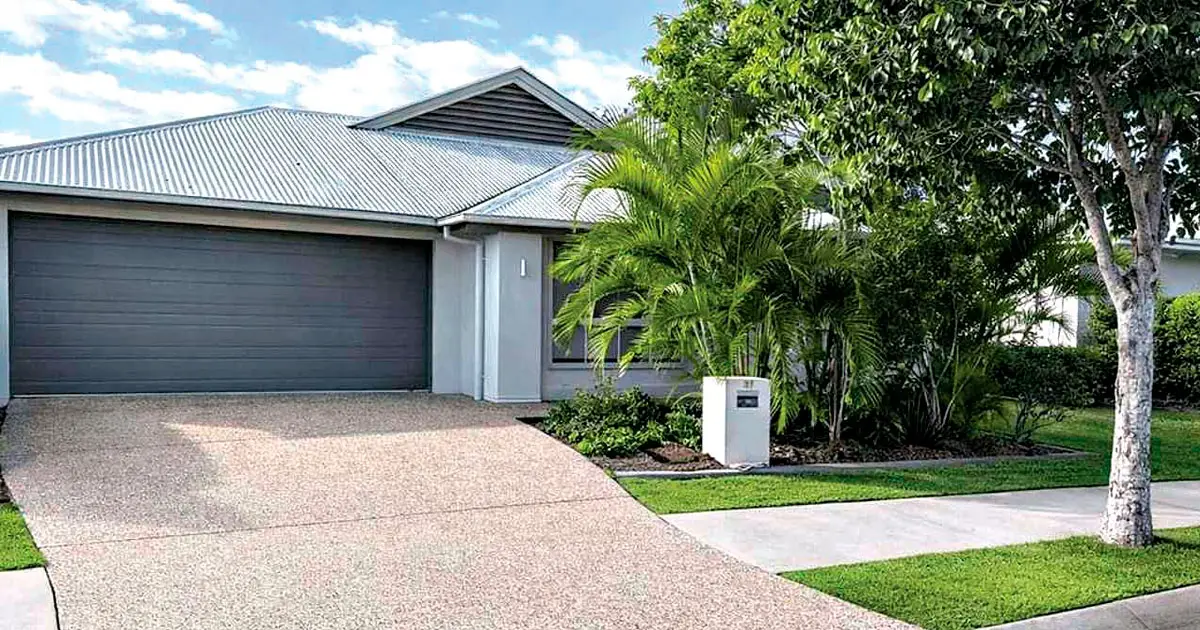

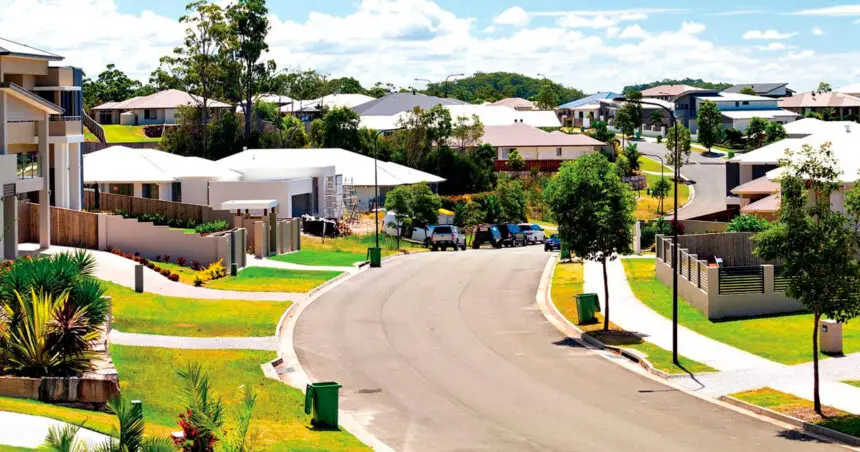
BUYING a home should be one of life’s most exciting milestones, but overlooking the finer details can turn the Australian dream into a financial nightmare.
With property prices climbing and new housing estates transforming communities across South East Queensland, buyers are being urged to do their homework before making what could be the biggest investment of their lives.
From hidden structural problems and flood risks to unexpected expenses and future developments, there is far more to consider than the number of bedrooms or the size of the backyard.
The first reality check should be financial. While a property might fall within a buyer’s borrowing capacity, that does not necessarily make it affordable.

Stamp duty, legal fees, inspections, insurance and moving expenses can add thousands to the purchase price, while mortgage repayments need to remain manageable if interest rates rise or household incomes change.
Just as important is understanding the neighbourhood. A beautifully renovated home can quickly lose its appeal when confronted with peak-hour traffic, noisy neighbours or limited access to essential services.
Buyers should visit at different times, investigate nearby schools and healthcare facilities, and consider whether the location will continue to suit their circumstances.
Flooding remains one of the biggest considerations for Queensland homebuyers.
The devastation experienced across parts of South East Queensland in previous flood events is a reminder that appearances can be deceiving.
Council flood maps, historical records and drainage information should be examined carefully, particularly as flood exposure can significantly affect insurance premiums and future property values.
What lies beneath the fresh paint deserves equally close attention.
Cracked walls, uneven flooring, water stains and deteriorating roofing can signal expensive problems that are not immediately obvious during an open home.
An independent building and pest inspection could uncover issues costing tens of thousands of dollars to rectify.
Then there are the expenses that continue long after settlement.
Council rates, insurance, repairs and general upkeep can place considerable pressure on household finances, particularly in older homes.
Apartment and townhouse buyers should also examine body corporate fees, sinking funds and potential special levies before committing.
Across rapidly expanding areas such as Ripley, Springfield and Logan, buyers also need to investigate what might be built around them.
A quiet street today could eventually accommodate significantly more traffic, commercial activity or neighbouring development.
Council planning documents can provide valuable insight into what is proposed and what has already been approved.