
CHOOSING a school is one of the biggest decisions parents will make for their little ones, but it does not have to be about finding the school with the biggest grounds, the fanciest facilities or the most impressive academic results.
It is about finding somewhere they belong.
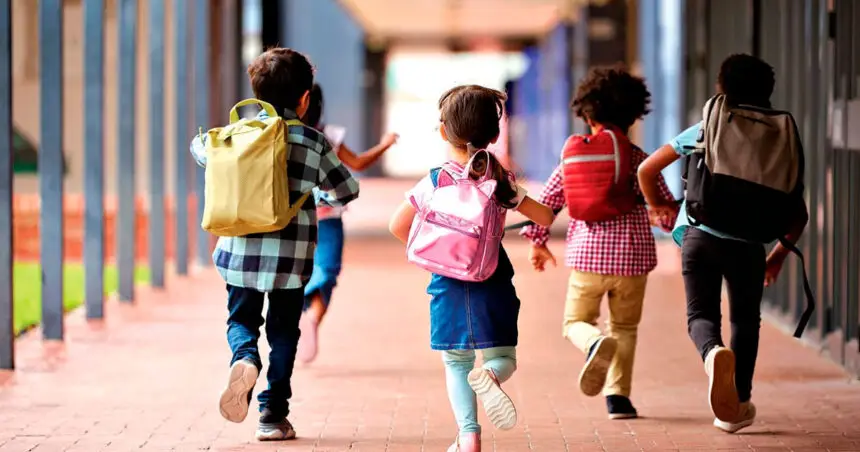
For children, school is so much more than a classroom. It is where they learn their ABCs, make their first best friends, navigate playground politics, discover hidden talents, lose countless hats and gradually develop the confidence to become their own little person.
It is also where they will spend a huge part of their childhood, making the decision about where to send them one worth giving plenty of thought.

With families beginning to consider enrolments for 2027 and beyond, the question is where to start.
Is it the school with the impressive academic record? The enormous oval? The sparkling new science block? Or perhaps the one your neighbour insists is the best in town?
The reality is there is no one-size-fits-all answer.
Children are wonderfully different, and what makes one school the perfect fit for one child might not necessarily work for another.
Some thrive in large, bustling school communities where there is always a sporting team to join, a club to try or an activity happening after the bell. Others flourish in smaller environments where familiar faces are everywhere, teachers know their personalities and nobody needs to ask whose jumper has been left on the oval.
For some, the classroom is their happy place. For others, their talents emerge on the sporting field, in the art room, behind a musical instrument or through hands-on activities that bring learning to life.
That is why looking beyond academic results is so important.
Of course, education standards and learning outcomes matter, but so does understanding how a school supports different abilities, learning styles and individual needs.
Ask about the opportunities available outside the classroom, how students are supported when they fall behind and how those who excel are encouraged to reach their potential.
Just as importantly, consider the school’s approach to wellbeing, friendships, inclusion and building confidence.
Open days and school tours offer a valuable opportunity to get a feel for the environment before making a decision.
Look beyond the freshly painted classrooms and glossy prospectuses. Watch how students interact with teachers, whether children appear engaged and whether the school feels like somewhere your child could comfortably find their feet.
Do not be afraid to ask questions, either. Find out about class sizes, extracurricular activities, learning support, communication with parents and the school’s approach to dealing with challenges.
The aim is not to find an institution that ticks every imaginable box, but one that aligns with your child’s personality, interests, strengths and needs.
Ultimately, choosing a school is about more than deciding where your child will learn to read, write and count.
It is choosing the community that will help shape their friendships, nurture their curiosity, celebrate their achievements and support them through the inevitable bumps along the way.
There will be lost lunchboxes, forgotten homework, playground dramas and plenty of growing pains, but hopefully there will also be a whole lot of happy memories.
Because the best school for your child is not necessarily the one everyone else is talking about. It is the one where they feel safe, supported, encouraged and, most importantly, happy to be themselves.