
Hearing rehabilitation is a journey that extends beyond just fitting aids. It’s about embracing practices that enhance your hearing experience and quality of life. Here, I share some indispensable advice for those considering starting with hearing aid.
Adapting to amplification is a process. Initially, you may find certain sounds annoying, but consistent use allows your brain to acclimatise, distinguishing between meaningful speech and background noise. This acclimatisation is crucial for effective rehabilitation.
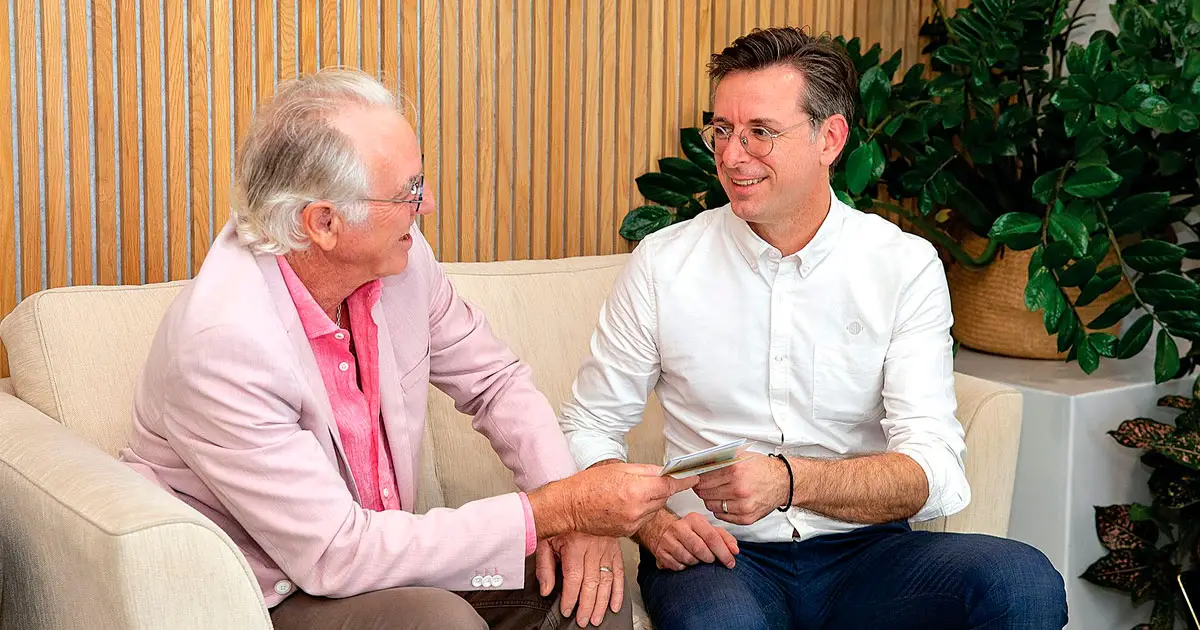
Choosing the right hearing aid requires a trusted guide. Expensive models aren’t the only choice. Seek advice on a device that suits your specific hearing loss and lifestyle. Remember, successful hearing rehabilitation is more about the right clinical processes than the right device.
Cleaning and maintenance are fundamental. Regularly changing wax filters, cleaning microphone ports, and using a dehumidifier can prevent costly repairs and ensure optimal performance. For active individuals, consider hearing aid socks to protect your device from sweat and moisture, which can leave corrosive deposits within the device.

Wearing your aids consistently, not just ‘when needed,’ will significantly improve your hearing experience and may improve cognitive health. The constant engagement helps your brain adjust to various sound environments, reducing the stark contrast between amplified and unamplified situations.Think of hearing rehabilitation as physical therapy for your brain.
Focusing solely on device selection overlooks the effort required by both patient and clinician to achieve a successful outcome. Therefore, select a reputable clinic, involve your primary communication partner, and embark on the journey.