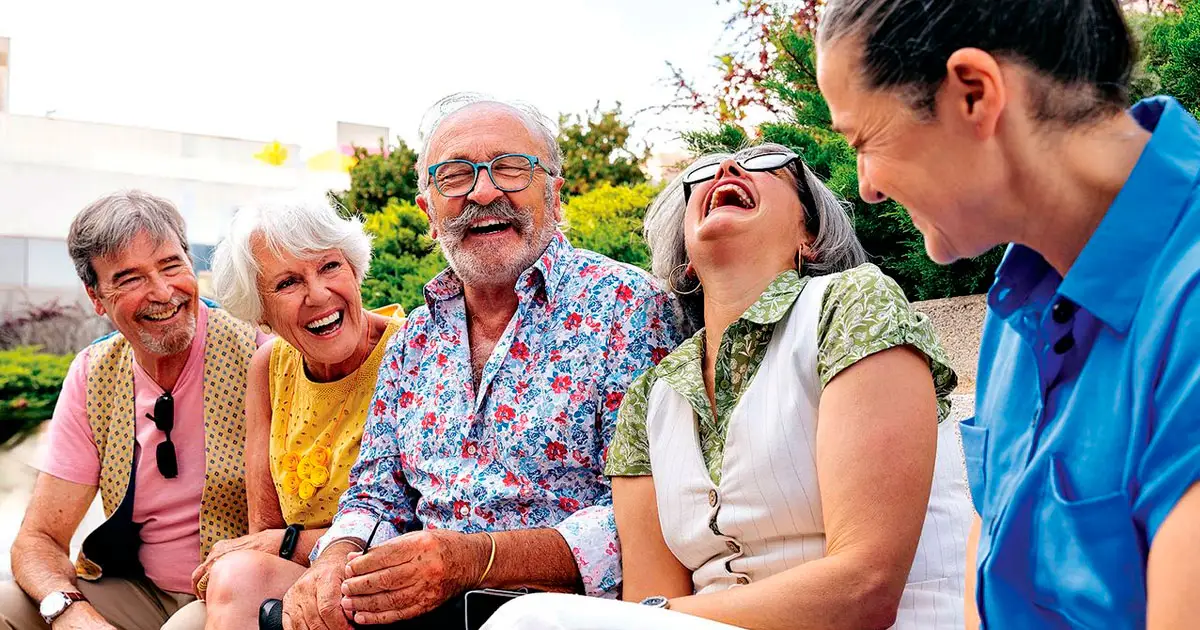


As individuals age, the importance of regular skin checks for skin cancer becomes even more pronounced.
While skin cancer can affect people of all ages, the risk tends to escalate with time, especially after crossing the threshold of 55 years. Vigilance in monitoring and addressing potential skin cancer concerns is crucial for preserving health and ensuring a high quality of life in the golden years.
As the skin undergoes natural aging processes, it becomes more susceptible to the damaging effects of prolonged sun exposure and other environmental factors. The cumulative impact of years of sun exposure can manifest in the form of skin cancers, such as melanoma, basal cell carcinoma, and squamous cell carcinoma. These malignancies may develop slowly over time, often without noticeable symptoms in their early stages.
Regular skin checks after the age of 55 offer a proactive approach to early detection and intervention. Skin cancers are highly treatable when identified in their initial phases, emphasizing the significance of routine screenings. Dermatologists possess the expertise to recognize subtle changes in the skin that may indicate the presence of cancerous cells, allowing for prompt diagnosis and targeted treatment.

Additionally, the aging process itself can introduce new challenges to skin health. Reduced elasticity, thinner skin, and a diminished ability to repair damage can make the elderly more susceptible to skin issues. Regular check-ups ensure that any abnormalities are promptly addressed, preventing the progression of potential skin cancers and minimizing the impact on overall health.
Skin cancers, if left untreated, can metastasize and spread to other parts of the body, posing severe health risks. Advanced stages of skin cancer are more difficult to treat and may require more aggressive interventions. By prioritizing skin checks after 55, individuals can actively participate in their health management, mitigating the risks associated with late-stage skin cancer and improving the chances of successful treatment.
Moreover, skin health is indicative of overall well-being, and changes in the skin may signal underlying health issues. Routine skin checks provide an opportunity to not only detect skin cancers but also identify other dermatological conditions and address them promptly. This holistic approach to skin care contributes to the overall health and longevity of individuals in their senior years.
The commitment to regular skin checks after the age of 55 serves as a proactive strategy for maintaining health and preventing the potentially devastating consequences of untreated skin cancers. By staying vigilant and partnering with dermatologists, individuals can navigate the aging process with greater confidence, ensuring that their golden years are characterized by well-being and vitality.
FAST FACTS:
What is UV radiation and why you should care about it Ultraviolet (UV) radiation is one of three forms of energy produced by the sun:
- Visible light – which we can see as sunlight.
- Infrared radiation – which we feel as heat.
- UV radiation – which we cannot see or feel.
UV radiation is the most dangerous of the three because it causes sunburn, cell damage in the skin and skin cancer.
UV is especially tricky because we can’t see it or feel it. In fact, it’s often referred to as the ‘invisible killer’, with almost 2,000 Australians dying annually.