

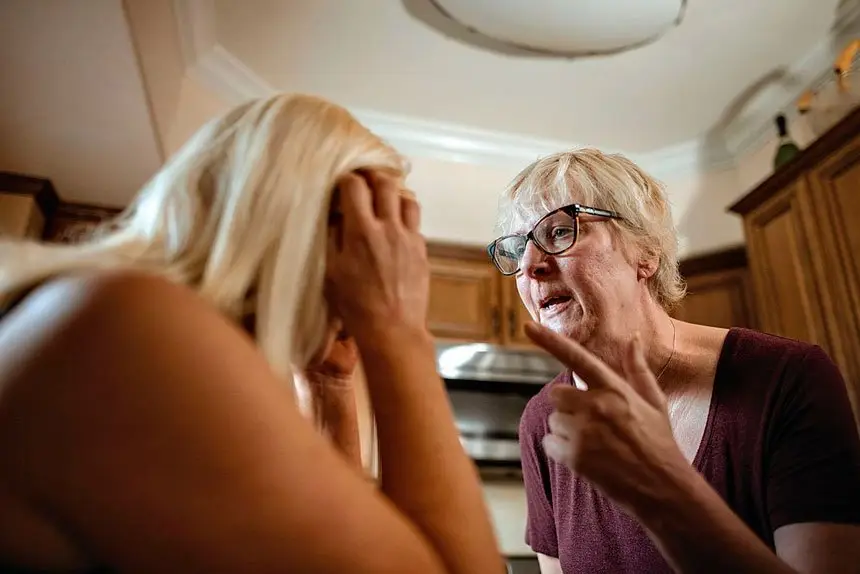
Elder abuse is a single or repeated act—or lack of appropriate action—occurring within any relationship where there is an expectation of trust, which causes harm or distress to an older person.
Elder abuse is
More common than you think. 1 in 6 older Australians report experiencing abuse.
Close to home. Perpetrators are often in the family, most commonly adult children.
Hidden and underreported. Almost two thirds of older people don’t seek help when they are abused (61%).

Forms of elder abuse
Elder abuse can take many forms including:
Psychological abuse
Psychological or emotional abuse is an act that causes emotional pain or injury to an older person. It includes, but is not limited to, insults or threats, humiliation or disrespect and controlling behaviours such as confining or isolating the older person.
Financial abuse
Financial abuse is the misuse or theft of an older person’s money or assets. includes, but is not limited to, using finances without permission, using a legal document such as an enduring power of attorney for purposes contrary to the interests of the older person, withholding care for financial gain, and selling or transferring property against the older person’s wishes or without the person’s knowledge.
Physical abuse
Physical abuse is an act that causes physical pain or injury to an older person. It includes, but is not limited to, actions such as hitting, pushing or kicking.
Inappropriate use of drugs or physical restraints is also an example of physical abuse.\
Sexual abuse
Sexual abuse is any sexual behaviour performed without an older person’s consent. It includes sexual contact and non-contact acts of a sexual nature that cause an older person to feel uncomfortable or threatened, or cause physical hurt.
Social abuse
Forcing someone to become isolated by restricting their access to others including family, friends or services. This can be used to prevent others from finding out about the abuse.
Neglect
Neglect is the failure of a carer, or other responsible person, to meet an older person’s basic needs such as food, housing and essential medical care. It includes, but is not limited to, providing inadequate food, drink or supervision, isolating the older person,
If you suspect elder abuse is happening, don’t wait for proof. Call the Elder Abuse Helpline on 1300 651 192 for free, confidential advice and referral.