
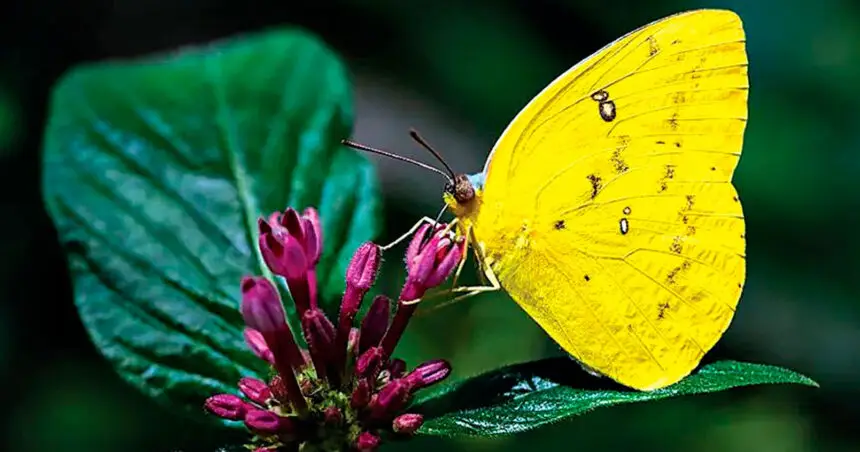
BAYSIDERS are being encouraged to look a little closer at the natural world around them next month with Australian Pollinator Week (November 7-14) shining a spotlight on the tiny creatures that keep the region’s gardens, farms and ecosystems thriving.
Australia is home to more than 2000 species of native bees, alongside a remarkable array of other pollinators, butterflies, beetles, birds, bats, ants, flies and wasps.
While many people picture the basic honeybee, educators say most of the country’s pollination power comes from species that often go unnoticed.
About 80 per cent of Australia’s pollinators live in the ground, including solitary native bees that nest in sand, clay or hollow stems.

These small, often brilliantly coloured insects play a crucial role in the health of native plants and backyard gardens, with some capable of performing specialised “buzz pollination” needed for crops such as tomatoes and guavas.
Daisy Hill beekeeper and educator Alyson Shepherd, who regularly runs bee education workshops across the region, said Pollinator Week was an opportunity to broaden the community’s understanding of what a pollinator really is.
“Pollination powers the planet,” Ms Shepherd said.
“European honeybees are vital, but our solitary native bees are just as important, and they’re completely unique to Australia.”
Through the Urban Bee Education program, Ms Shepherd and her team visit schools, shopping centres, OSHC programs and eco festivals to teach children how pollination works and how to support native species.
“We love educating our little pollinator warriors.”
While the group is still finalising bookings for Pollinator Week, they will appear at the Moreton Bay Eco Festival and expect to run additional community workshops.
Ms Shepherd said the message this year is simple, think beyond honeybees.