
THE Redlands has almost everything a modern, successful city-region could ask for.
It is barely 25 kilometres from Brisbane’s CBD. It sits near an international airport, a major seaport and the economic engine room of South East Queensland. It has established suburbs, significant growth areas, major sporting facilities, a bayfront town centre, the Southern Moreton Bay Islands and North Stradbroke Island just offshore.
There are few places in Australia that can offer that combination of location, lifestyle, natural beauty and untapped opportunity.
And yet, for all those advantages, the Redlands too often feels like it is waiting.

Waiting for better transport. Waiting for more local jobs. Waiting for genuine investment in centres such as Capalaba and Cleveland. Waiting for a planning vision that offers young people a chance to live, work and build a future locally without forcing them into increasingly long and frustrating car journeys.
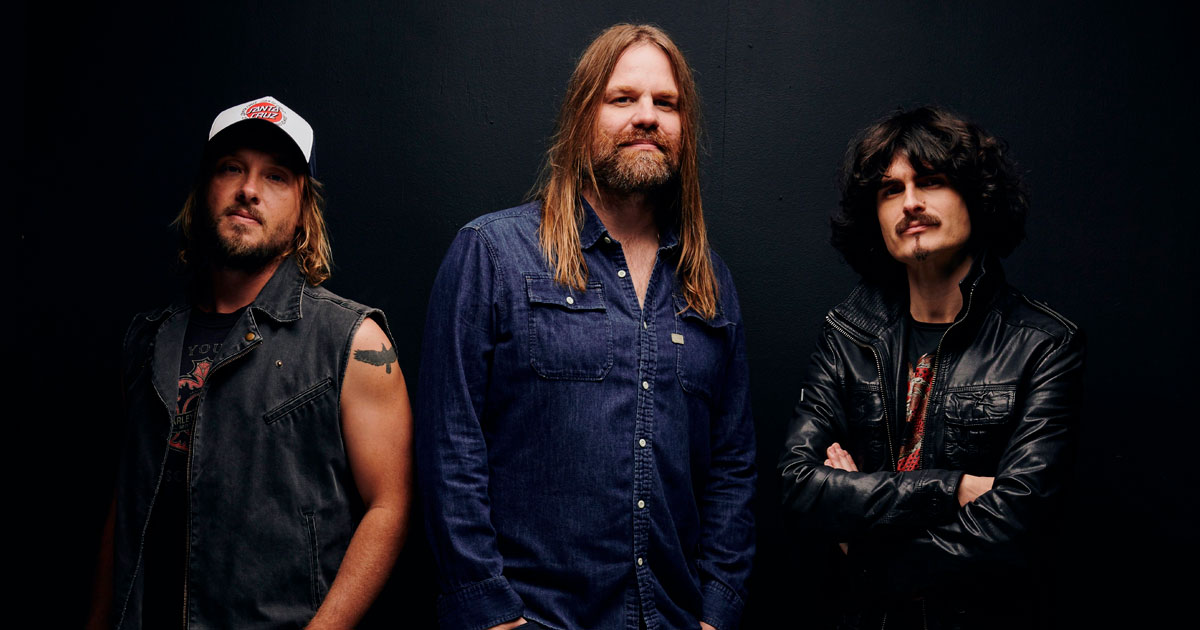
That is why Vaughn Bowden’s line at today’s Let’s Go Metro forum should resonate well beyond the room at Alexandra Hills Hotel.
“If you were to put the Redlands 25 kilometres out from the CBD, near an airport, near a seaport, with the equivalent of the Whitsundays just off its coastline, this place should be on fire,” he said.
He is right.
Not literally, of course. This is a region that understands the value of protecting its environment. But economically, socially and culturally, the Redlands should be buzzing with confidence and opportunity.
Instead, we still have a transport network that too often tells residents the main way forward is out. Get in the car. Join the traffic. Travel to Brisbane, Logan or the Gold Coast for work, specialist services, entertainment or study. Then make the same journey home again.
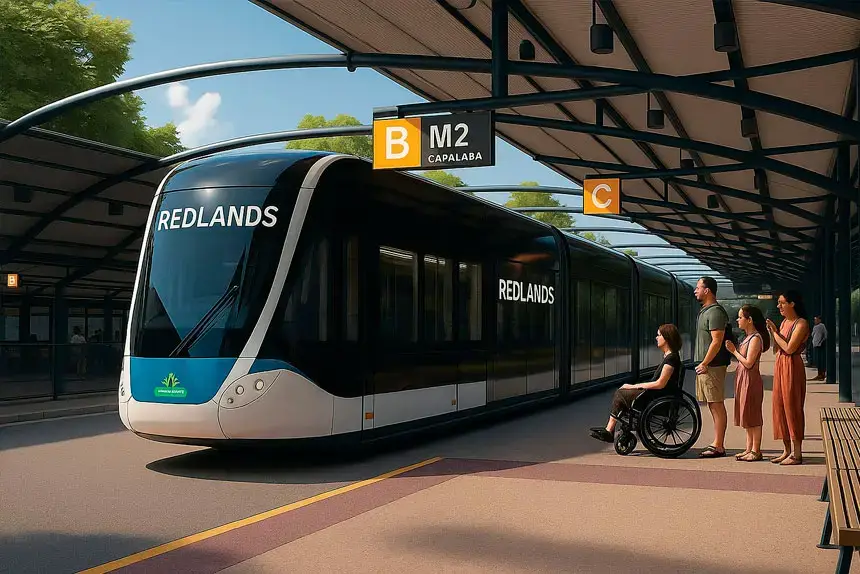
The proposed Metro extension to Capalaba offers an opportunity to rethink that future.
It should not be sold simply as another bus link for people who work in the Brisbane CBD. That is the narrow, old-fashioned way to judge major transport projects.
But infrastructure is not only about responding to the city we have. At its best, it helps build the city we want.
A frequent, easy-to-use Metro service to Capalaba, Sleeman Sports Complex and Birkdale could be a game changer because it would send a clear signal that the Redlands is ready to grow in a smarter way.
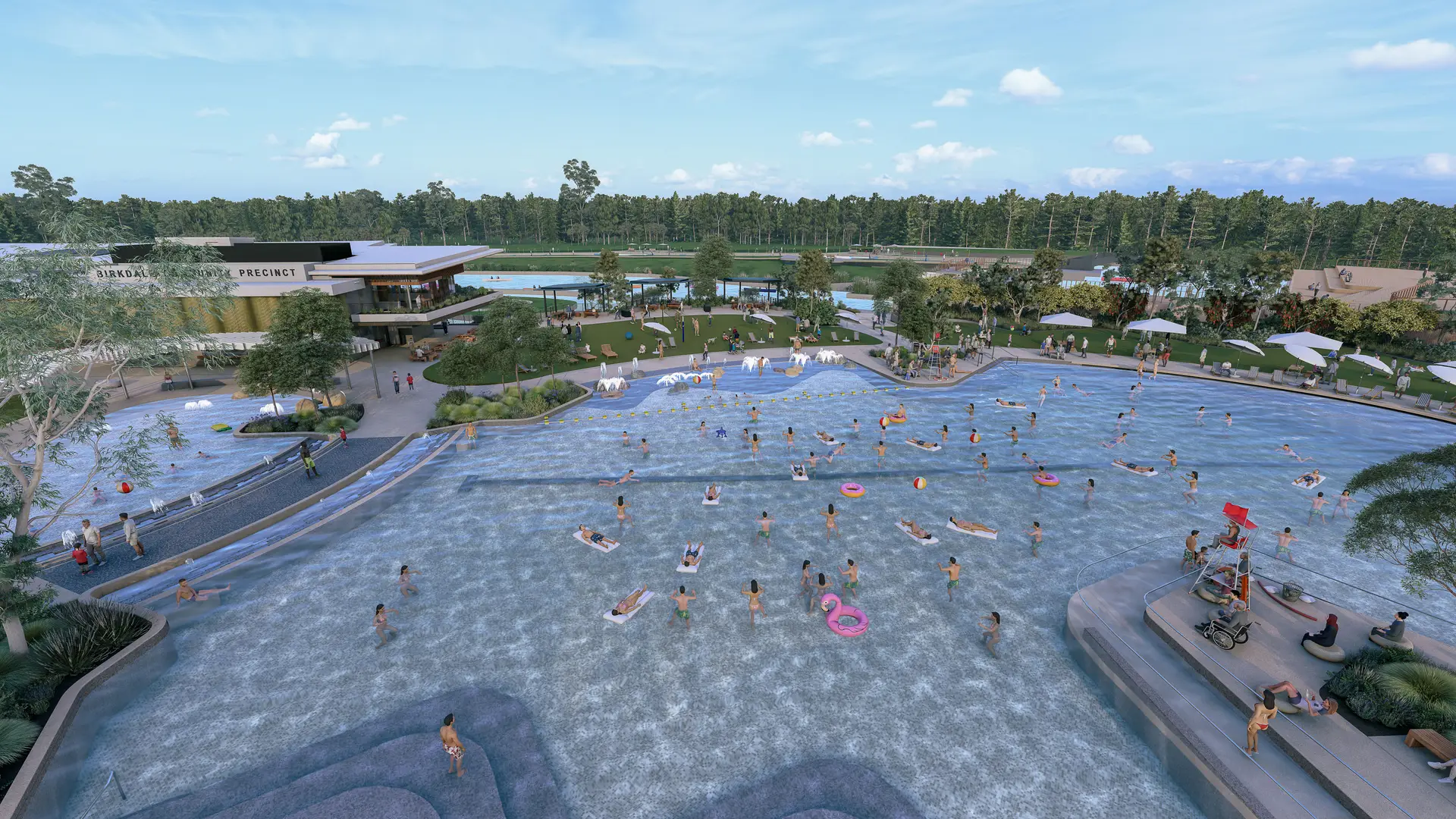
It could encourage employers to look at Capalaba as more than a shopping stop. It could help turn Birkdale’s Olympic precinct and community infrastructure into a genuine regional destination. It could make it easier for people to choose a night out in the Redlands, rather than automatically heading west. It could create the confidence for better housing, services and business investment around the centres that already exist.
It could also allow the Redlands to make more of what makes it unique.
Cleveland should be more than a place to catch a ferry. It is a gateway to the bay and North Stradbroke Island, with a waterfront, history, hospitality businesses and enormous tourism potential. Birkdale’s community precinct and whitewater centre promise to bring major sporting and recreation activity. Capalaba remains the mainland’s commercial heart. Cr Tracey Huges famously once told me you can buy anything you need in a one-kilometre radius of Capalaba.
These places need to be connected — not treated as isolated dots on an increasingly congested road map.
That is why the case for Metro should not end at Capalaba even if Capalaba is the realistic and urgent first step. The long-term vision must include how the system could extend through Birkdale and Ormiston to Cleveland – possibly even Southern Thornlands – and how it could support better connections to Redland Bay, the Southern Moreton Bay Islands and North Stradbroke Island.
No-one should pretend that will happen overnight. Nor should every aspiration be used as an excuse to delay the achievable.
Delivering Metro to Capalaba by the 2032 Olympics would itself be a breakthrough. But it needs to be designed as the beginning of a network, not the end of a line.
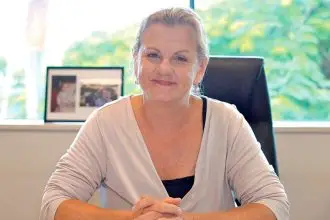
The question raised by Acting Mayor Julie Talty at the forum goes to the heart of the matter. Do governments wait until jobs, density and development appear before they provide transformative transport? Or do they make the infrastructure commitment that gives communities and investors the confidence to create those jobs and opportunities?
It is a chicken-and-egg argument, but history has given us the answer. Great transport infrastructure does not merely follow successful cities. It helps make them.
Of course, Metro will not solve every Redlands problem. It will not instantly fix traffic congestion, force reluctant landowners to redevelop or guarantee that every new apartment, business or venue will succeed.
But it can change the equation.
For too long, the Redlands has been expected to prove its potential before receiving the infrastructure that could unlock it. That is backwards.
This region does not need to become another inner-city Brisbane. It should retain its bayside character, village feel, natural environment and strong local identity. But preserving those qualities cannot mean locking the Redlands in the past as NIMBY groups like Redlands 2030 want to make you believe.
Young people deserve more local employment choices. Families deserve practical transport alternatives. Businesses deserve the confidence to invest. Visitors deserve an easier way to experience the bay and islands. And a fast-growing region deserves infrastructure that looks ahead, rather than merely trying to catch up.
The Redlands has the location. It has the assets. It has the people. It has the Olympic opportunity.
What it needs now is the spark. It’s time to light this place up.