
Redland City Council could move away from its traditional sister and friendship city arrangements, with a review recommending a more strategic model focused on measurable community benefits.
Councillors will next week consider changes to Council’s International Relations Program, which includes formal agreements with Qinhuangdao and Wuchuan in China, Yong-in in South Korea, and Kani City in Japan.
The review found the program had historically operated with limited resources — an average annual budget of about $2,000 and around one-third of a full-time staff position — and had often been reactive, without consistent performance measures or a clear strategic purpose.
While the report says international relationships can create cultural, educational, social and economic opportunities, it found some arrangements had become inactive or lacked contemporary governance and defined outcomes.

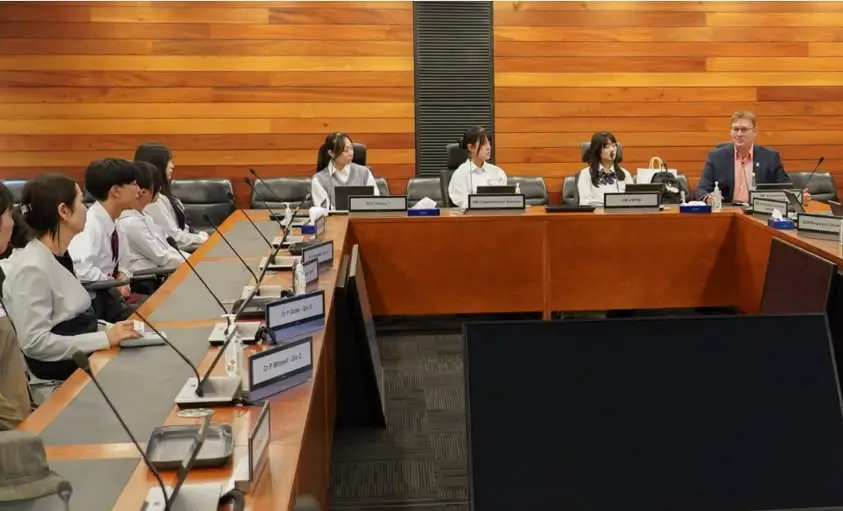
Council’s strongest recent relationship has been with Kani City, Japan, which has supported annual school and university student visits to Redlands Coast since 2024, largely through the involvement of its honorary ambassador.
There had been limited engagement with Yong-in City, including discussions about possible visits and cultural and tourism opportunities.
However, the review found no recent engagement records for the Qinhuangdao or Wuchuan relationships, nor current contact with the honorary ambassador linked to those arrangements.
Under the officer recommendation, all four partner cities would be invited to transition to temporary “Strategic City Partnership Agreements” until December 2028, or instead continue informally on a case-by-case basis.
The new agreements would identify cultural, educational, social or economic opportunities aligned with Council and partner-city priorities, as well as whether an honorary ambassador was needed.
At the end of the temporary period, the next Council would receive a report on activities and benefits achieved before deciding which partnerships, if any, should continue.
The proposed framework would assess partnerships against economic, educational, social and cultural benefits, including trade and tourism opportunities, student exchanges, community connection and cultural understanding.
It would also introduce clearer governance, stronger recordkeeping, four-year review points and new agreements setting out honorary ambassadors’ responsibilities, performance expectations and conflict-of-interest requirements.
The report notes there is little appetite for expanding the program or increasing funding. Officers say the proposed changes can be delivered within existing resources and will help ensure any international partnerships demonstrate clear value for the Redlands community.