
AUSTRALIAN workers on minimum and award wages will see a pay rise from July following the Fair Work Commission’s latest Annual Wage Review decision, with the increase expected to impact both households and businesses across the country.
The Commission announced a 4.75 per cent increase to modern award wages, while the National Minimum Wage will rise by almost 6 per cent, lifting from $24.95 an hour to $26.44 an hour.
For a full-time worker, that is an increase of more than $50 a week before tax.
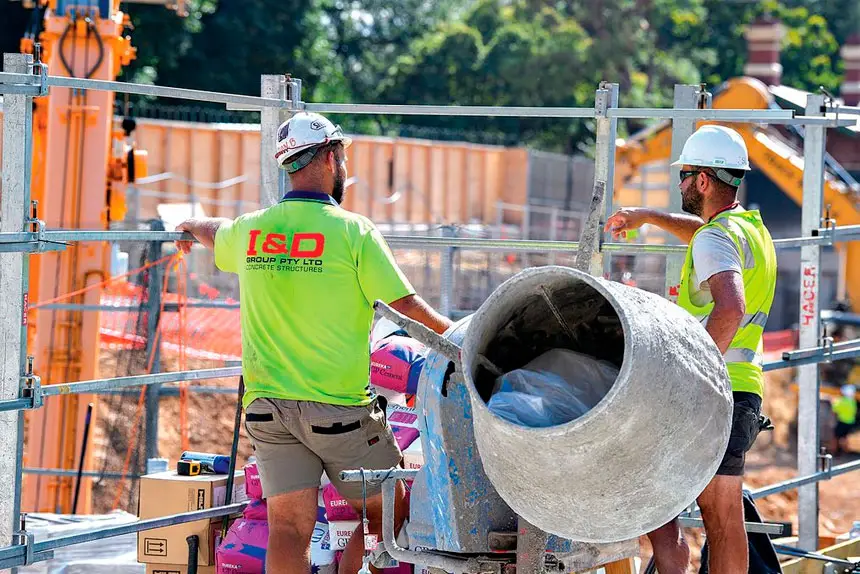
The decision will affect millions of Australians, particularly those working in retail, hospitality, childcare, tourism and community services industries where award wages are common.

For many workers doing it tough with rising living costs, the increase will come as welcome relief.
Everyone believes workers deserve a fair go and to be paid accordingly, particularly with the ongoing cost-of-living pressures being felt across the country.
Families are continuing to face rising grocery prices, rent increases, power bills, insurance and everyday expenses, and many low-paid workers have struggled to keep up.
At the same time, businesses are also feeling the pinch.
Many employers are managing increasing supplier costs, higher insurance premiums, rising energy prices and workforce shortages, all while trying to remain competitive and continue employing locally.
For small businesses especially, every increase adds another layer of pressure to an already challenging operating environment.
While wage increases are important and necessary, there can also be flow-on effects across some industries.
Not all businesses, but some, may need to pass a portion of those increased costs on to the consumer.
That is where you can sometimes see the price of everyday items rise, whether it is a cup of coffee in the morning, dining out, or other services that rely heavily on staffing.
Most workplaces will do their absolute best not to put customers out or increase prices unnecessarily, but for some businesses operating on tight margins, it can become unavoidable.
Businesses are also increasingly calling on governments to look at ways they can better support small business owners through these pressures.
The new wage rates will apply from the first full pay period on or after July 1, meaning businesses now need to begin reviewing payroll systems, award classifications and staffing budgets ahead of the new financial year.
It is important that small businesses stay across the changes and make sure they are keeping up to date with their obligations.
A good tip for business owners is to subscribe to Fair Work updates and regularly check the Fair Work website for any applicable changes.