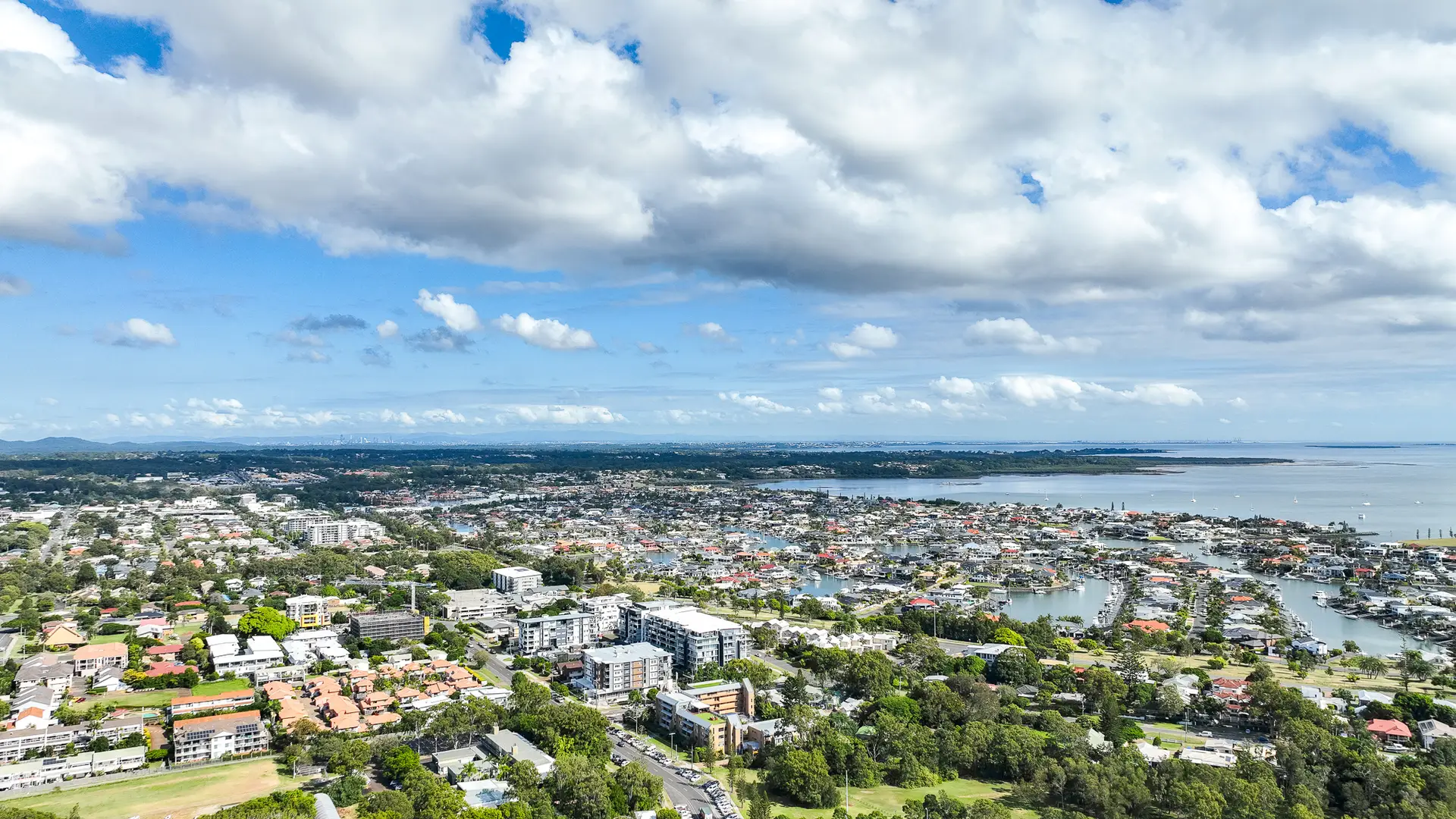

THE collapse of the Toondah Harbour redevelopment is more than the end of a project – it is the loss of a generational opportunity for Redlands Coast.
For more than a decade, Toondah has sat at the centre of a conversation about the region’s future.
It was never just about apartments, a marina, or a gateway to Straddie.
At its core, it was about whether Redlands could modernise its front door, attract investment, and position itself as a serious player in South East Queensland’s growth story.

That opportunity has now slipped away.
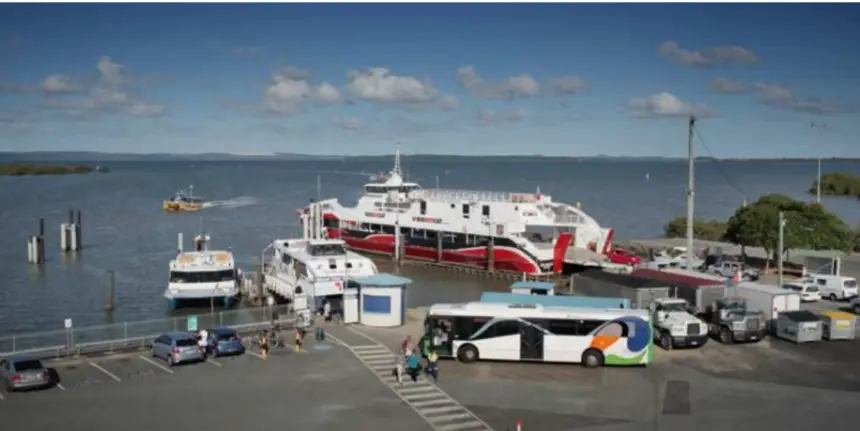
There is no escaping the reality that Toondah Harbour remains tired, underdeveloped and unfit for the demands of a growing region.
Anyone who uses it regularly knows the pressure points.
Parking constraints, ageing infrastructure and a layout that struggles to cope during peak periods.
The redevelopment, in its various forms, promised to address those issues while unlocking wider economic benefits: jobs, tourism, business confidence and a stronger local economy.
Instead, after years of planning, revisions, environmental assessments and community division, the outcome is simple — nothing has been built.
Welcome to the Redlands!
Some will argue the project went too far, particularly in its earlier iterations that pushed into sensitive wetlands.
They are right to say environmental protections matter.
Redlands Coast’s natural assets are not negotiable, and any development must respect that.
But opponents such as Redlands2030 cannot ignore the other side of the ledger.
A growing region cannot grow on preservation alone.
It needs investment, infrastructure and confidence.
The collapse of Toondah sends another signal — fair or not — that major projects in the Redland face long odds.
That perception matters. Investors notice. Businesses notice. And jobs and investment go elsewhere.
This is why the loss of Toondah is bigger than one harbour.
It raises a broader question: How does Redlands balance its environmental values with the need to evolve?
Because standing still is not an option.
Population growth is coming.
Demand for housing, jobs and services is increasing.
The harbour itself still needs an upgrade.
Ferries will continue to run. Visitors will continue to arrive. The pressure on existing infrastructure will only intensify.
So where to from here?
First, the State Government must step up.
Toondah is a Priority Development Area and has been for more than a decade.
That designation carries responsibility.
The community should not be left in limbo while a critical transport hub deteriorates.
Second, the focus must return to fundamentals.
Strip the project back if needed but deliver the essentials: A modern ferry terminal, improved parking, better public access and a design that respects the environmental constraints of the site.
Third, there must be clarity and leadership.
One of the defining issues of the Toondah saga has been uncertainty.
Shifting proposals, competing narratives and a lack of a single, clear pathway forward. That cannot be repeated.
Finally, the community itself needs to grapple with a hard truth.
You cannot demand growth, jobs and opportunity while rejecting every pathway to deliver them.
Equally, you cannot pursue development at any cost and expect the community to accept it.
The answer lies somewhere in between and finding that balance for the Redlands is now the task ahead.
With the 2032 Olympic Games on the horizon and the eyes of the world on SE Queensland, Toondah Harbour should have been a catalyst moment for Redlands Coast.
Instead, it has become a cautionary tale.
What happens next will determine whether it remains that way or becomes the turning point the region desperately needs.