



By Amanda Ariotti, MAudSt, AAudA (CCP), BBiomedSc. Amanda is a master’s qualified independent audiologist specialising in hearing rehabilitation in the Redlands community.
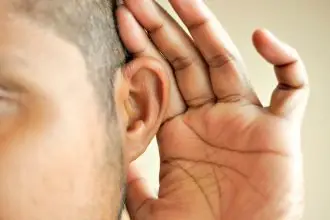
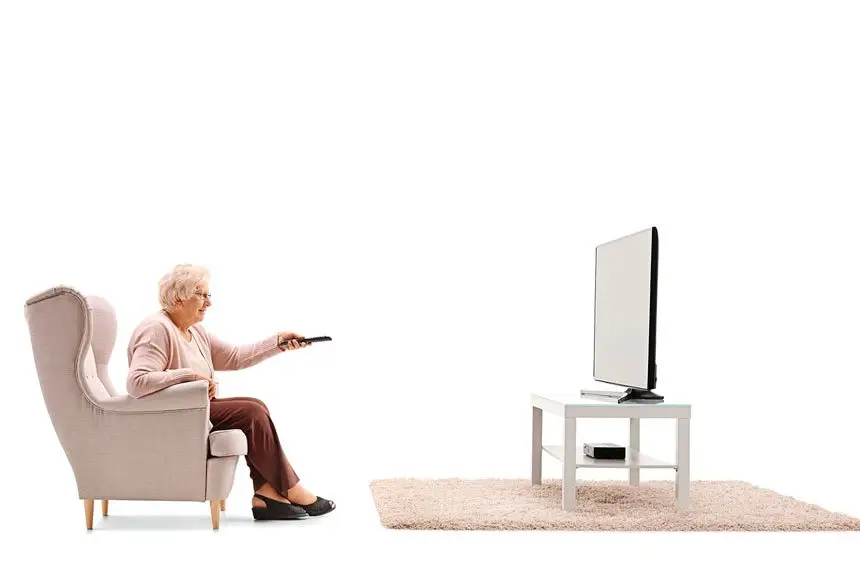
If you’ve ever found yourself turning up the TV volume, asking, “What did they just say?” – you’re not alone.
Difficulty understanding TV dialogue is one of the most common frustrations people report when seeking a hearing test.
But is the issue your hearing, the position of your TV or the way television is made today? The answer lies in a combination of factors, some within your control and others beyond it.

Modern TV sound design is a marvel of technology, creating rich, layered audio experiences.
However, this sophistication often means dialogue competes with music, sound effects, and background noise, making speech harder to discern.
Add to this the trend of naturalistic acting – think quiet mumbling or fast-paced dialogue—and even viewers with sharp hearing can struggle to keep up.
For those with hearing loss, the challenge becomes even greater.
Hearing difficulty is not just about volume – it’s about clarity. Speech-in-noise processing, a function of the brain rather than the ears, determines how well we can separate speech from background sounds. This varies from person to person and is not something a simple “beep test” can assess.
Best-practice hearing tests, like those we offer at A Better Ear, include speech-in-noise assessments to pinpoint the root of your difficulties.
If hearing loss is part of the problem, hearing aids with advanced speech-enhancement features can make a world of difference.
For TV watchers who already use hearing aids, Bluetooth TV connectors, allow direct streaming to your devices, providing crystal-clear audio without room noise interference.
For others, assistive listening devices like TV headphones or soundbars designed to enhance dialogue can help.
Simple changes to your environment – reducing background noise and the distance from the set, adjusting your TV’s equaliser settings, or adding soft furnishings to minimise echo – can also improve your listening experience.
If you’re struggling with TV audio, it’s time to take a closer look. A comprehensive hearing assessment can reveal whether the issue lies with your hearing or the sound design itself.
Addressing hearing loss doesn’t just improve how you watch TV; it enhances your overall quality of life by reducing cognitive strain, boosting mood, and reconnecting you to the world around you.
Don’t let poor sound quality or hearing loss hold you back. Take the first step today.