



RESIDENTS are joining a rising chorus of concern about aircraft noise pollution, with communities across Redlands and the Bayside voicing frustration over the health and environmental impacts of increasing flight traffic to and from Brisbane Airport.
Redlands residents say they have not been properly consulted about changes to flight paths affecting Redland Bay, Moreton Bay and the Southern Moreton Bay Islands.
Many feel sidelined by Airservices Australia and say there has been a lack of transparency in how the proposed changes have been communicated and assessed.
Karilyn Beiers, the community representative for the federal electorate of Bowman on the Brisbane Airport Community Aviation Consultation Group (BACACG), has been advocating for what she calls the “over-the-ocean solution”.

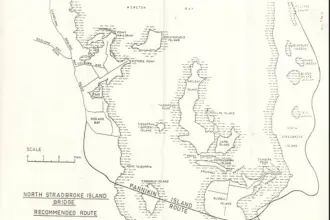
Her proposal would see aircraft fly past the southern end of Moreton Island, then around Point Lookout with a 5km exclusion zone, before tracking south below Russell Island and turning inland to rejoin existing flight paths.
She says this option would significantly reduce the noise impact on Redlands.
“The only way we will eventually succeed is by bombarding Airservices with complaints,” she said.
“So far, they’ve failed in their commitment for transparency and community engagement.”
Submissions on the proposed changes can be made to Airservices Australia until August 17.
Cleveland resident Geoff McPherson, a marine fisheries acoustic consultant and retired research fellow in engineering at James Cook University, said aircraft noise was now a persistent problem across parts of the Redlands, particularly during calm weather or northerly winds.
He described the noise as relentless, especially during early morning and evening hours when residents were most likely to be outdoors.
“Aircraft take off over the Bay, turn before Moreton, do a tight turn to ‘miss’ Dunwich, then start what amounts to an acoustic bombing campaign on Redlands, scoring a direct hit on places like Pinklands Netball Stadium,” Mr McPherson said.
He claimed that around 20 per cent of background noise in parts of South Cleveland was now dominated by aircraft, overtaking natural sounds like birdsong and local traffic.
He said this did not even account for the increasing number of aircraft approaching over the southern islands.
The noise problem is not isolated to the Redlands.
Communities across Brisbane’s north, south and west are also affected.
Professor Marcus Foth, Chair of the Brisbane Flight Path Community Alliance, said the latest proposals released by Airservices Australia would expose even more suburbs to aircraft noise – many for the first time.
“This is not noise reduction – it is noise redistribution. And the cost is being paid by families and communities across more than 220 Brisbane suburbs,” he said.
Prof Foth said none of the three levels of government was taking meaningful action to reduce aircraft noise or protect residents from its harmful effects.
Instead, he said, the Federal Government had spent nearly five years instructing Airservices to run what he described as “engagement theatre” – a consultation process that gives the appearance of listening to communities while doing little to reduce actual noise impacts.
He said the only tangible support offered to affected residents to date was a mental health counselling and suicide prevention hotline for aircraft noise sufferers.
Prof Foth said Brisbane should have the same protections as other major cities like Sydney and Adelaide.
These include a legislated night-time curfew, a cap on aircraft movements, a long-term operating plan that prioritises noise reduction, and implementation of all relevant recommendations from Senate inquiries and the Aviation White Paper.
He also cited a 2023 report by environmental scientist Dr Sean Foley, which found that aircraft noise from Brisbane Airport could impose a $2.1 billion annual cost to Queensland’s health and social systems if curfews and flight caps were not introduced.